

A non-governmental organization, Sasakawa Africa Association (SAA), is helping farmers in Benue State adopt regenerative agriculture practices aimed at improving soil health and promoting sustainable crop production.
The association, during a tour of its pilot farms in Gwer East and Gboko Local Government Areas on Monday, demonstrated farming methods designed to keep the soil productive for years while helping farmers achieve better crop production.
SAA Country Director, Dr Godwin Atser, said the organization was promoting regenerative agriculture to ensure farmland could be cultivated repeatedly without becoming exhausted from continuous use.
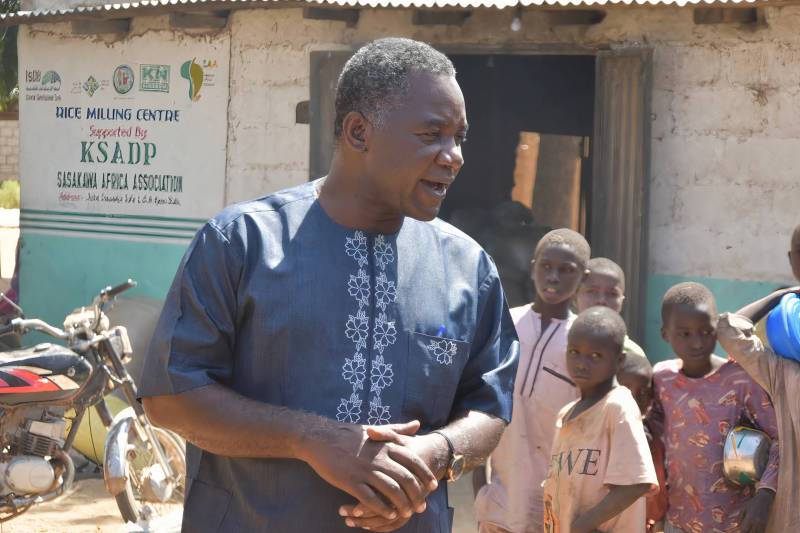
Atser, represented by Nathaniel Otene, Technical Coordinator, Climate-Resilient and Sustainable Agrifood Systems, said the organization provides farmers with improved seedlings and technical knowledge to strengthen their farming practices.
Otene explained that SAA also promotes composting rather than relying solely on animal dung and organic fertilizer, noting that many smallholder farmers do not own enough livestock to produce sufficient manure.
- DEVELOPMENT INSIGHTS MORNING BRIEF, 18 SEPTEMBER 2026
- NANS Backs NCDC 20 Year Development Plan
- CISLAC Launches Four Year Citizen Engagement Project
- ActionAid Outraged Over Nigeria’s Mounting Debt
- NDLEA Uncovers Methamphetamine Laboratory In Ebonyi State
He said the organization provides climate-resilient crop varieties for the pilot farms, while participating communities provide the land. According to him, the initiative is focused on improving soil health and transferring practical knowledge to farmers.
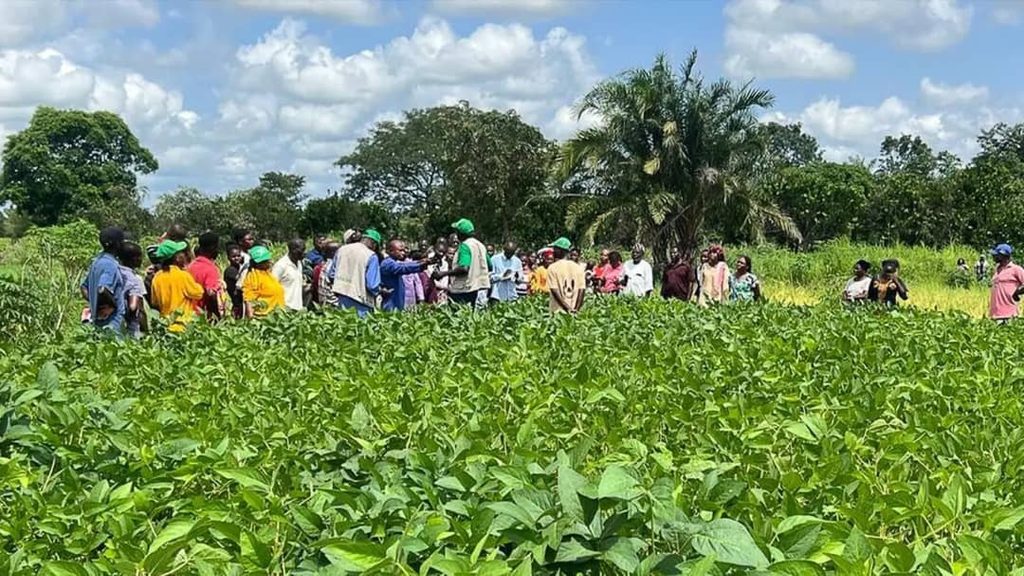
“Our aim for establishing the pilot farms is for knowledge transfer to the farmers. We want to see farmers in the coming years practice what we teach them,” Otene said. SAA Programme Officer, Inclusive Markets and Agribusiness Development, Jonathan Yassah, added that the improved seedlings were initially provided to participating farmers free of charge under the pilot scheme. He also clarified that the seedlings were not genetically modified, expressing the organization’s commitment to supporting far