

Media professionals, healthcare researchers, and sickle cell advocates have emphasised the critical need for broadcast journalists to move beyond superficial awareness campaigns and integrate Sickle Cell Disease (SCD) reporting into mainstream programming.
The call was made during an intensive virtual capacity-building session tagged “SCD Content Training: Fellowship-Winning Content on Sickle Cell Disease,” hosted by media development specialist and CEO of Kleverest Scenta, Aro Leonard.
The workshop brought together journalists from across Nigeria, medical consultants, public health officials, and SCD “warriors” to address misinformation, improve content depth, and foster research-media collaborations.
Moving Beyond One-Off Awareness Campaigns
Speaking during the training, Aro Leonard, known for his extensive work in behavioral change communication, media capacity building, and project management across West Africa, challenged broadcast presenters to rethink how health issues are reported. He criticised the habit of locking health coverage into obscure programming slots or only mentioning sickle cell around global commemorative dates like World Sickle Cell Day.
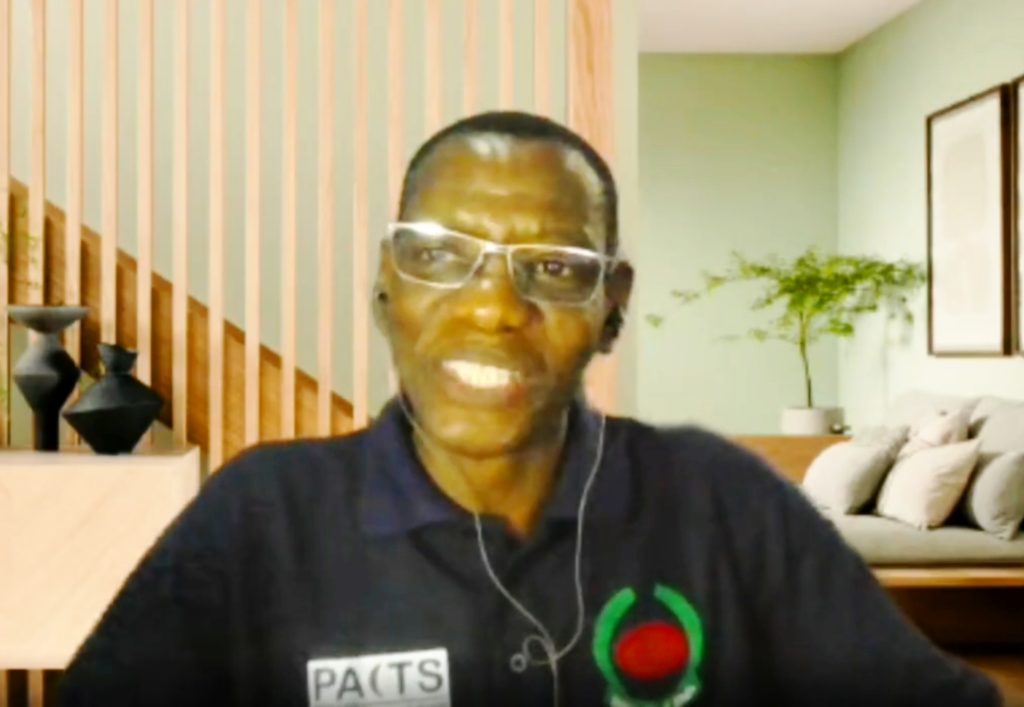
“If we really know that health is wealth… then we should be infusing health issues into mainstream prime-time programmes rather than treating them as isolated, boring filler,” Leonard stated.
He emphasised that health journalism is a matter of life and death, where inaccurate reporting can lead to real-world harm. To produce impactful, fellowship-worthy content, Leonard outlined key steps for broadcast producers, including The “One-Sentence” Clarity Rule, the Cause, Effect, and Solution, and Documenting Post-Broadcast Impact. In these, he asked journalists to define the target audience, the core issue, and specific expected behavioural outcomes before production. In terms of cause, effect, and solution, he urged media producers to structure programmes systematically to guide audience comprehension.
For documenting post-broadcast impact, Aro urged journalists to transcribe shows into publishable articles, digital reports, and case studies to engage donor agencies and international fellowship boards .
Connecting Sickle Cell Science with the Public
The training highlighted the gap between scientific research and public understanding. Reuben, Programme Manager for the PACTS Project, a multi-country patient-centred initiative hubbed at the University of Abuja Centre for Sickle Cell Research (CESR), noted that researchers and the press must work in lockstep.
He shared how the project works to improve hospital-based care, such as streamlining access to Hydroxyurea, and is deploying a 12-episode radio drama series with interactive audience feedback to improve public literacy.
Medical experts at the event called on journalists to educate communities on local drug trials to demystify the science and build public trust.
Lifting the Voices of Sickle Cell ‘Warriors’
“Warriors” (a reference to persons living with sickle cell disease) and advocates present at the forum called on media practitioners to tackle overlooked structural challenges, including workplace and academic discrimination such as how lack of flexible institutional policies and sick leave protections cost warriors their jobs and academic progression; mental health and stigmatisation.