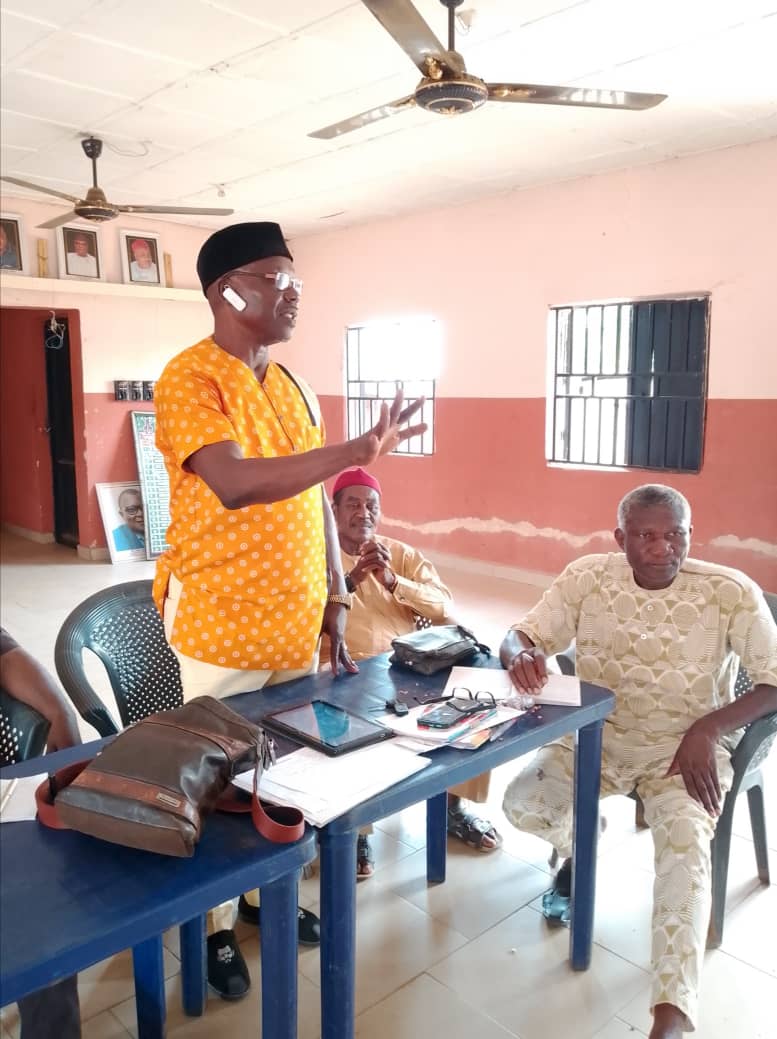

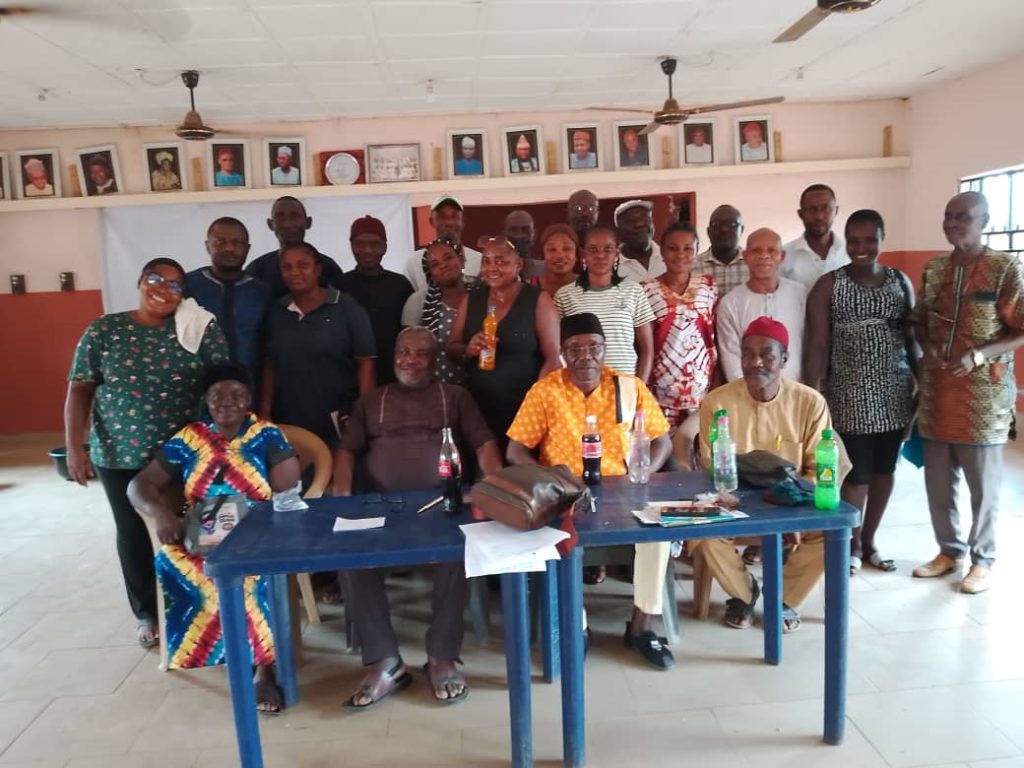
The Community Dialogue Committee (CDC) of Akweya community has convened a large-scale sensitisation meeting in Otobi, drawing over 250 participants across diverse stakeholder groups in a move to address rising tensions fuelled by divisive narratives. The event, held on Saturday, March 29, brought together community leaders, youth and women groups, faith-based representatives, security chiefs, elders, and persons living with disabilities.
According to the organisers, the Community Dialogue Committee, attendance exceeded expectations, with 252 participants present out of the 150 initially invited.
Proceedings commenced at exactly 2:00 p.m. with the announcement of ground rules by the committee secretary, Comrade Ocheme Jackson Simon, followed by an opening prayer led by a clergy member.
In his welcome address, CDC Chairman and facilitator, Idoko Okenyodo, introduced the committee and outlined its objectives, structure, and mandate. He noted that the initiative is supported by the Centre for Democracy and Development (CDD), which designed the programme to strengthen community cohesion and prevent conflict.
A major highlight of the meeting was an interactive session on divisive narratives within the Akweya community. Facilitated by the chairman and secretary, participants openly identified several circulating claims considered harmful to unity. Among these were allegations of marginalisation between wards, disputes over land ownership and development projects, tensions between neighbouring communities, and concerns over traditional leadership inclusion. Participants unanimously agreed that such narratives, if left unchecked, could escalate into serious conflict.
To counter this, the gathering adopted a series of community-driven strategies, including regular dialogue forums, partnerships with civil society and government institutions, and deliberate efforts to promote social cohesion and address grievances such as inequality and marginalisation.
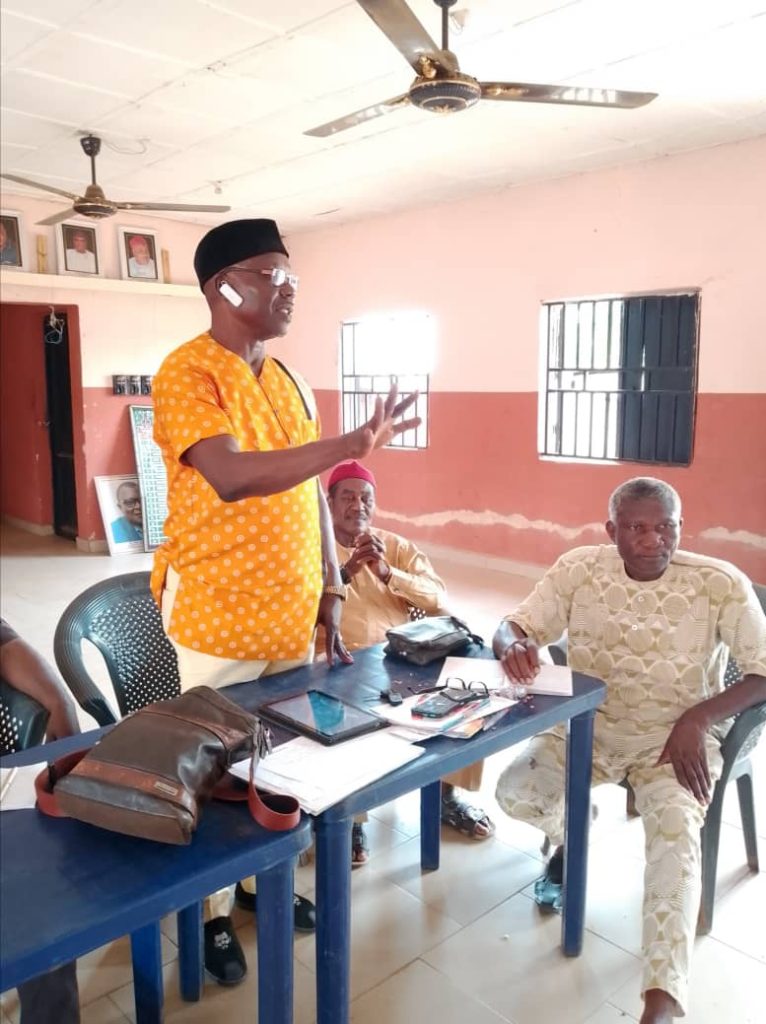
Speaking to AkweyaTV, the Chairman, Mr Idoko Okenyodo, said, “The meeting also outlined common early warning signs of divisive rhetoric, such as statements suggesting oppression, exclusion, manipulation, or loss of collective identity. We know sometimes these feelings might be genuine, but we want to encourage them to spoken in the right atmosphere, not as gossips, so that the persons that need to address them can do so.”
Mr Okenyodo, a veteran broadcaster, said in addressing misinformation, participants agreed on practical steps including verifying information before sharing, encouraging calm and respectful dialogue, correcting falsehoods, and promoting shared community values.
On conflict resolution, the forum emphasised neutrality, fact-based engagement, emotional restraint, reconciliation, and the protection of the unity and dignity of the Akweya people.
The session concluded at about 6:00 p.m., marking what organisers described as a significant step toward strengthening peace and mutual understanding in the community.
Of the 252 participants, 166 were male and 86 female, including 13 persons living with disabilities, an indication of the inclusive nature of the engagement. The CDC expressed optimism that sustained dialogue and collective responsibility would help counter harmful narratives and foster long-term stability in Akweya.