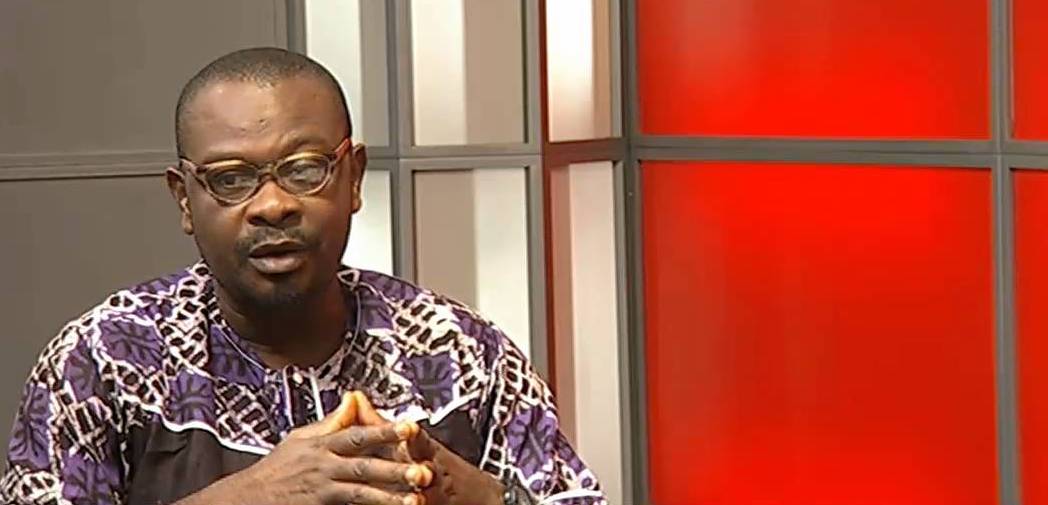

The Executive Director of the Rule of Law and Accountability Advocacy Centre (RULAAC), Mr Okechukwu Nwanguma, has called for accountability, transparency, and due process in the ongoing debate on the establishment of state police, warning that creating state police alone will not solve Nigeria’s growing security challenges.
Nwanguma made the call during a Democracy Outreach Webinar organised by the Corporate Accountability and Public Participation Africa (CAPPA) on Tuesday, July 28, 2026. The virtual event, titled “Insecurity & State Police in Nigeria: Way Forward,” brought together governance and public policy experts to examine the proposed establishment of state police and its implications for public safety and democratic accountability.
Other speakers at the webinar included the Executive Director of Africana League, Dr Glory Ukwenga, and the Executive Director of CAPPA, Mr Akinbode Oluwafemi, who also contributed to discussions on police reform, youth participation in security governance, and the need for a people-centred security architecture.
Speaking during the webinar, Nwanguma argued that while Nigeria urgently needs policing reforms, insecurity is rooted in broader issues such as poverty, unemployment, corruption, poor governance, weak institutions, injustice, and social exclusion. According to him, establishing state police without addressing these underlying challenges would not deliver lasting security.

He also raised concerns about the constitutional amendment process introducing state police, saying it lacked sufficient public consultation and transparency. According to him, constitutional reforms should involve citizens, civil society organisations, professionals, traditional institutions, youth groups, and other stakeholders to strengthen public trust and legitimacy.
Drawing from international experiences and Nigeria’s history, Nwanguma stressed that decentralising the police does not automatically guarantee effective policing. He warned that state police could still be vulnerable to corruption, political interference, human rights abuses, and weak accountability if adequate safeguards are not established.
While acknowledging the need for greater operational decentralisation, he explained that decentralisation should not be confused with state police, noting that many policing responsibilities can be devolved within a unified national police system. He cautioned that without proper safeguards, state police could simply transfer existing policing challenges from the federal level to the states.
To ensure effective policing, Nwanguma recommended independent oversight bodies, transparent complaint mechanisms, professional recruitment and training, operational independence from political influence, sustainable funding, judicial oversight, and stronger protection of human rights. He maintained that these safeguards are necessary to prevent political interference and ensure that policing remains accountable to the people rather than those in authority.
He further emphasised that the debate should not be about whether Nigeria should have federal or state police, but about building a policing system that is accountable, professional, respects human rights, earns public trust, and delivers justice without fear or favour.

During the webinar, Dr Glory Ukwenga highlighted the importance of youth participation in security governance. She encouraged young people to move beyond being passive observers by contributing to peacebuilding, civic education, policy development, community intelligence, security innovation, and accountability. She also advocated the establishment of youth security advisory councils, youth representation in policing structures, community safety councils, and regular youth security dialogues.
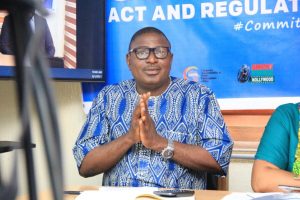
Also speaking, Mr Akinbode Oluwafemi stressed that police reform must be people-centred and guided by democratic participation. He argued that policing should serve communities rather than political interests and called for stronger public oversight and accountability within the policing system.
During the interactive session, participants sought clarification on measures to prevent political abuse of state police, oversight mechanisms, the role of governors, youth inclusion in security governance, police accountability, election security, and indicators for measuring the success of police reforms.
The webinar concluded with a consensus that Nigeria requires comprehensive police reform supported by good governance, economic development, quality education, justice sector reforms, anti-corruption efforts, and respect for human rights. The speakers agreed that meaningful public participation and democratic accountability remain essential to building a policing system that protects lives, upholds justice, and earns the confidence of Nigerians. The webinar also concluded that sustainable security in Nigeria depends not only on institutional reforms but also on the active involvement of young people in building safer communities, promoting accountability, and strengthening democratic governance.