

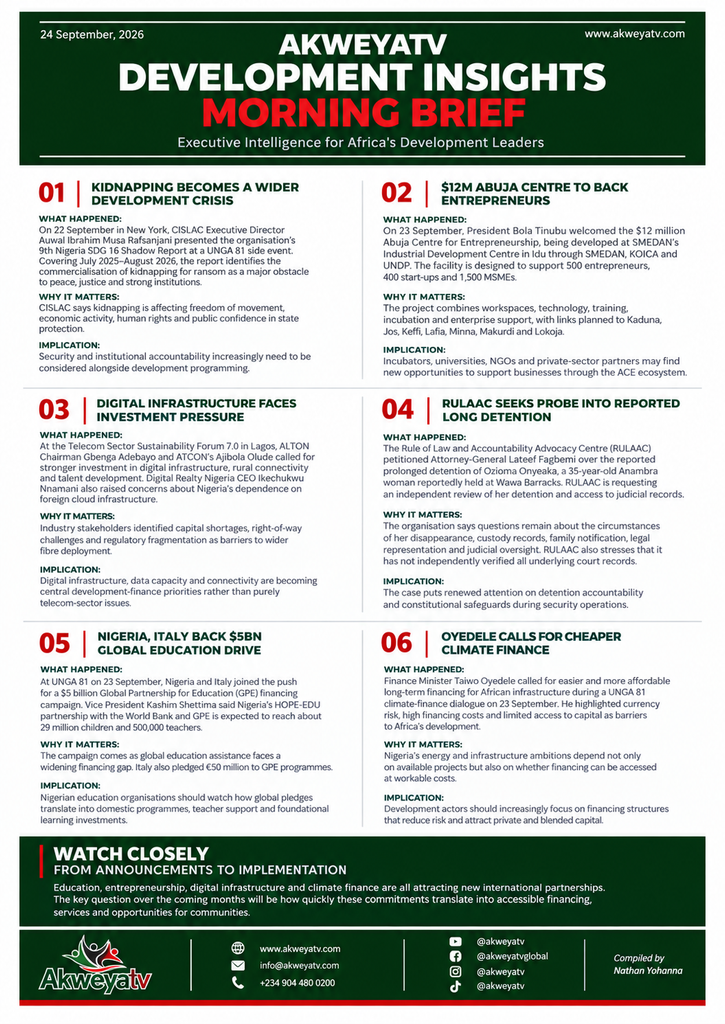
KIDNAPPING BECOMES A WIDER DEVELOPMENT CRISIS
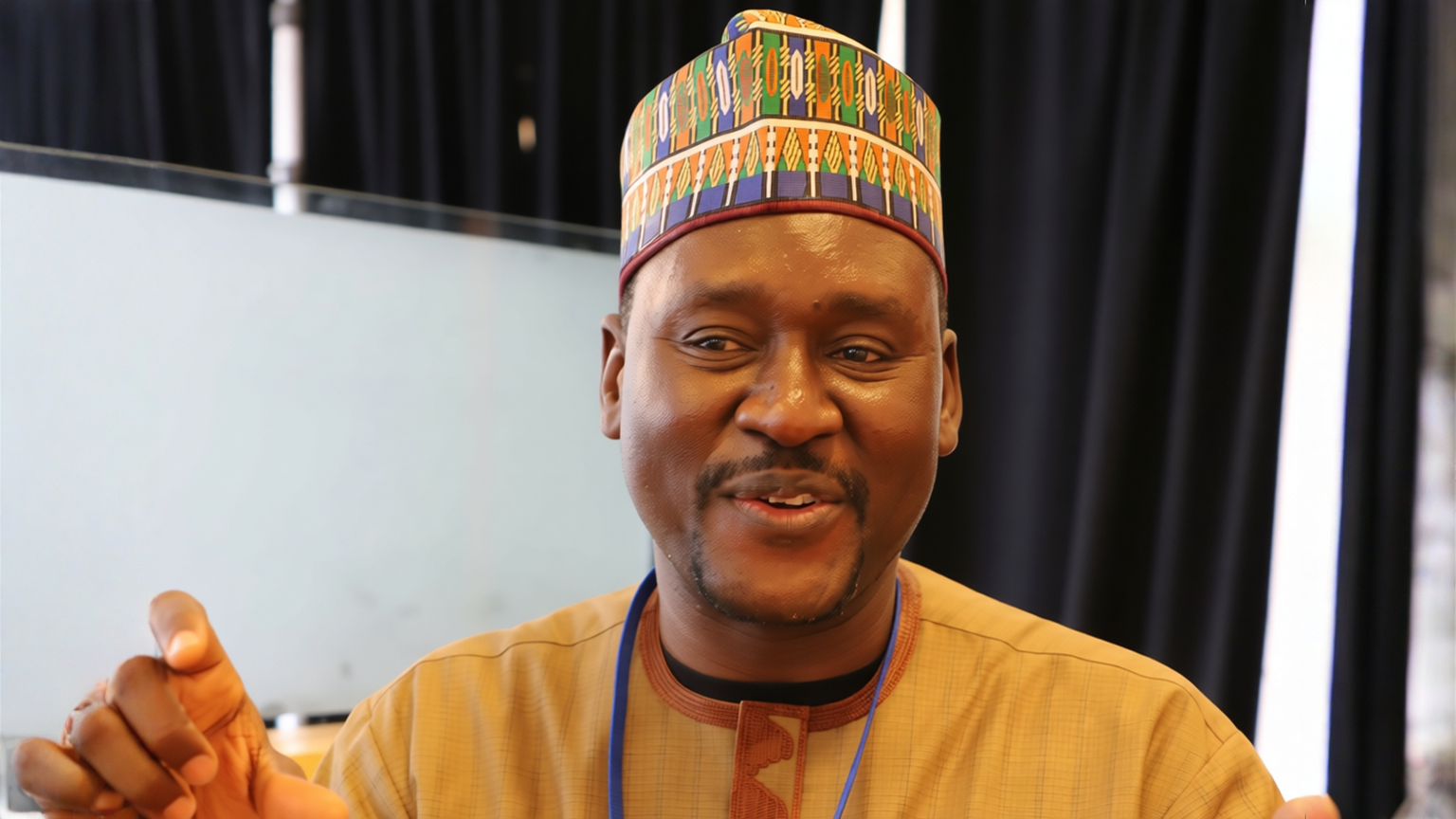
What happened: On 22 September in New York, CISLAC Executive Director Auwal Ibrahim Musa Rafsanjani presented the organisation’s 9th Nigeria SDG 16 Shadow Report at a UNGA 81 side event. Covering July 2025–August 2026, the report identifies the commercialisation of kidnapping for ransom as a major obstacle to peace, justice and strong institutions.
Why it matters: CISLAC says kidnapping is affecting freedom of movement, economic activity, human rights and public confidence in state protection.
Implication: Security and institutional accountability increasingly need to be considered alongside development programming.
$12M ABUJA CENTRE TO BACK ENTREPRENEURS
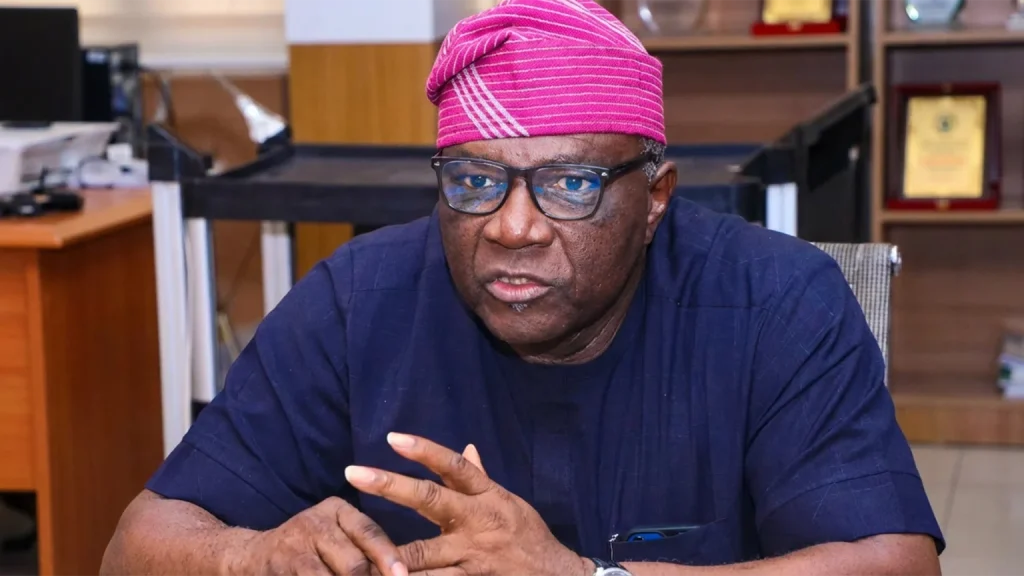
What happened: On 23 September, President Bola Tinubu welcomed the $12 million Abuja Centre for Entrepreneurship, being developed at SMEDAN’s Industrial Development Centre in Idu through SMEDAN, KOICA and UNDP. The facility is designed to support 500 entrepreneurs, 400 start-ups and 1,500 MSMEs.
Why it matters: The project combines workspaces, technology, training, incubation and enterprise support, with links planned to Kaduna, Jos, Keffi, Lafia, Minna, Makurdi and Lokoja.
Implication: Incubators, universities, NGOs and private-sector partners may find new opportunities to support businesses through the ACE ecosystem.
DIGITAL INFRASTRUCTURE FACES INVESTMENT PRESSURE
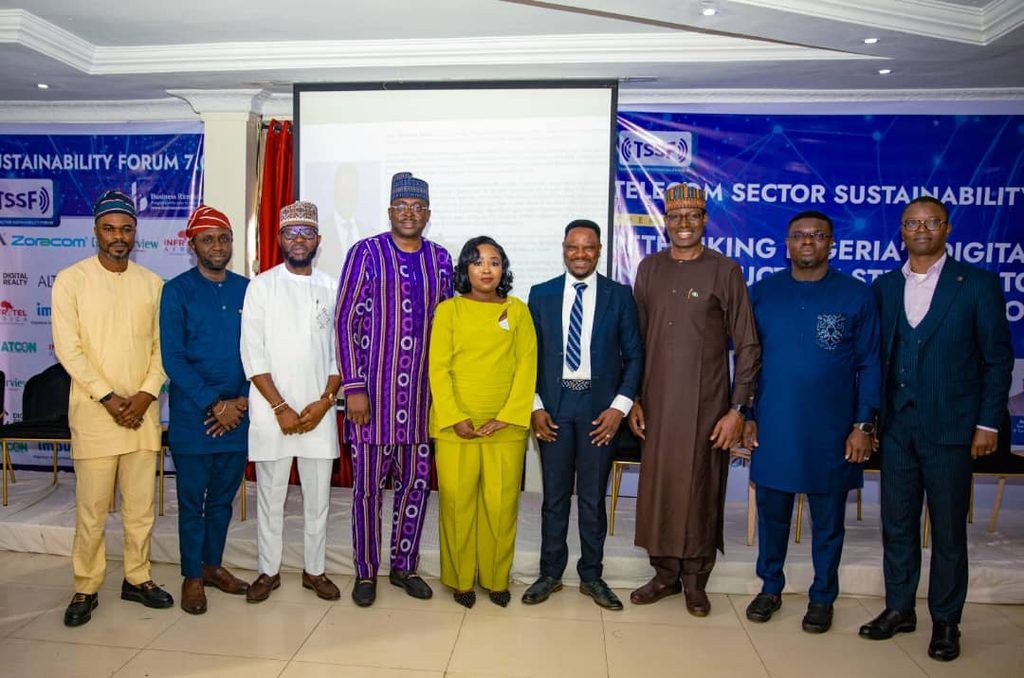
What happened: At the Telecom Sector Sustainability Forum 7.0 in Lagos, ALTON Chairman Gbenga Adebayo and ATCON’s Ajibola Olude called for stronger investment in digital infrastructure, rural connectivity and talent development. Digital Realty Nigeria CEO Ikechukwu Nnamani also raised concerns about Nigeria’s dependence on foreign cloud infrastructure.
- 4Breath4Life Targets 10,000 Healthcare Providers In Nationwide Training Drive
- HBBA Seeks Justice Reforms To Protect Religious Rights
- NGO Calls for Whistleblower Protection Laws
- Beyond Lassa Fever Bukar Usman Uncovers The Story Of Lassa
- FG Opens Doors for Youths Through Skills Programme
Why it matters: Industry stakeholders identified capital shortages, right-of-way challenges and regulatory fragmentation as barriers to wider fibre deployment.
Implication: Digital infrastructure, data capacity and connectivity are becoming central development-finance priorities rather than purely telecom-sector issues.
RULAAC SEEKS PROBE INTO REPORTED LONG DETENTION
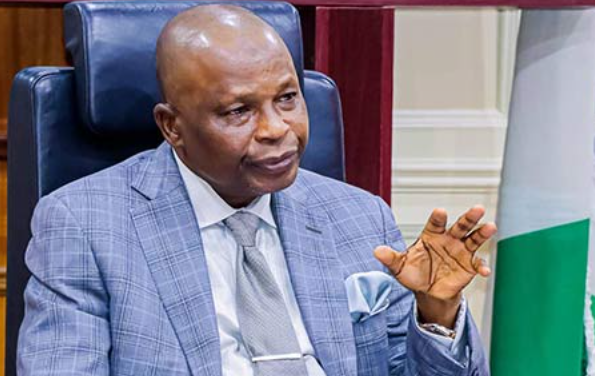
What happened: The Rule of Law and Accountability Advocacy Centre (RULAAC) petitioned Attorney-General Lateef Fagbemi over the reported prolonged detention of Ozioma Onyeaka, a 35-year-old Anambra woman reportedly held at Wawa Barracks. RULAAC is requesting an independent review of her detention and access to judicial records.
Why it matters: The organisation says questions remain about the circumstances of her disappearance, custody records, family notification, legal representation and judicial oversight. RULAAC also stresses that it has not independently verified all underlying court records.
Implication: The case puts renewed attention on detention accountability and constitutional safeguards during security operations.
NIGERIA, ITALY BACK $5BN GLOBAL EDUCATION DRIVE
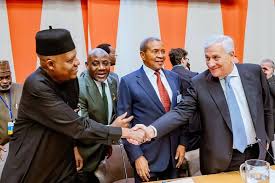
What happened: At UNGA 81 on 23 September, Nigeria and Italy joined the push for a $5 billion Global Partnership for Education (GPE) financing campaign. Vice President Kashim Shettima said Nigeria’s HOPE-EDU partnership with the World Bank and GPE is expected to reach about 29 million children and 500,000 teachers.
Why it matters: The campaign comes as global education assistance faces a widening financing gap. Italy also pledged €50 million to GPE programmes.
Implication: Nigerian education organisations should watch how global pledges translate into domestic programmes, teacher support and foundational learning investments.
OYEDELE CALLS FOR CHEAPER CLIMATE FINANCE
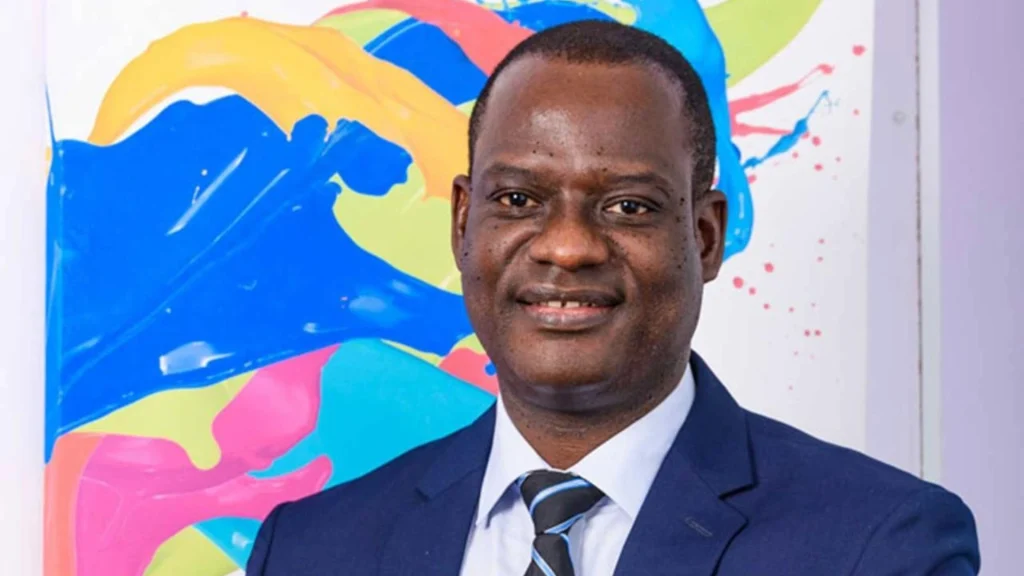
What happened: Finance Minister Taiwo Oyedele called for easier and more affordable long-term financing for African infrastructure during a UNGA 81 climate-finance dialogue on 23 September. He highlighted currency risk, high financing costs and limited access to capital as barriers to Africa’s development.
Why it matters: Nigeria’s energy and infrastructure ambitions depend not only on available projects but also on whether financing can be accessed at workable costs.
Implication: Development actors should increasingly focus on financing structures that reduce risk and attract private and blended capital.
WATCH CLOSELY
From announcements to implementation: Education, entrepreneurship, digital infrastructure and climate finance are all attracting new international partnerships. The key question over the coming months will be how quickly these commitments translate into accessible financing, services and opportunities for communities.
Compiled by Nathan Yohanna
For more inquiries:
Website: www.akweyatv.com
Email: info@akweyatv.com
Phone number: +234 904 480 0200
YouTube: @akweyatv
Facebook: @akweyatvglobal
Instagram: @akweyatv
TikTok: @akweyatv




