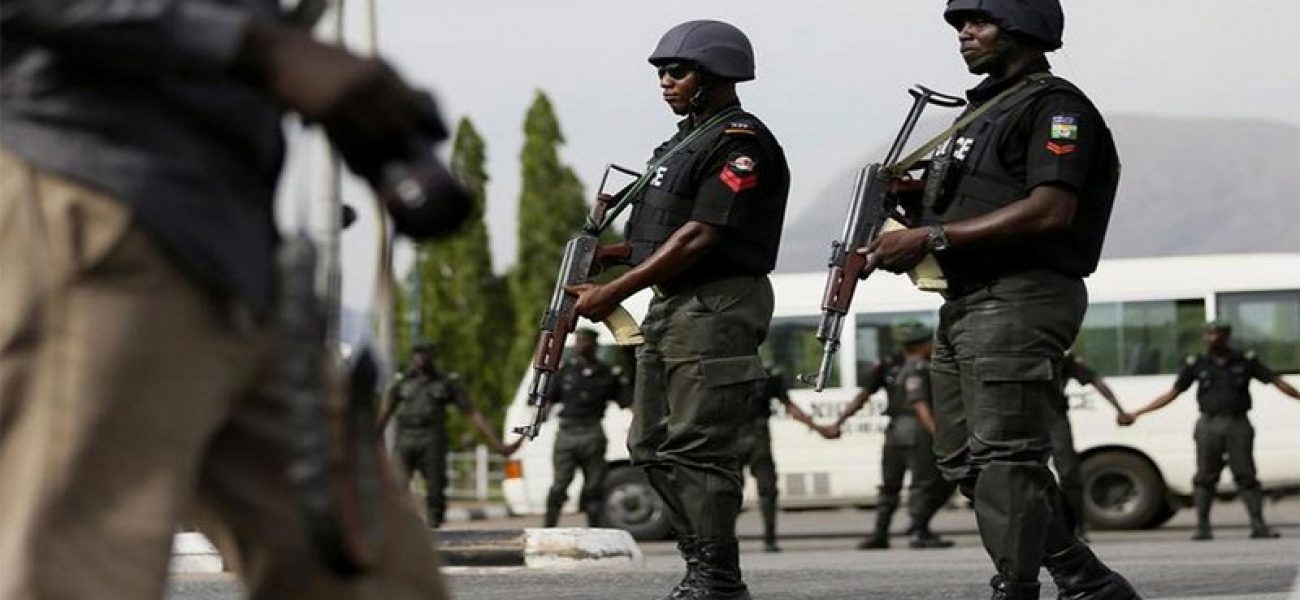

Civil Society Organizations (CSOs) have cautioned that creating state police, though a step towards improving security, will not by itself solve Nigeria’s deepening insecurity unless it is backed by sweeping governance, justice and accountability reforms.
The groups made the call during a webinar organized by the Corporate Accountability and Public Participation Africa (CAPPA) titled, “Insecurity and State Policing in Nigeria: The Way Forward.” The event brought together stakeholders from the Rule of Law and Accountability Advocacy Centre (RULAAC) and the Africana League, among others.
Participants agreed that decentralizing policing could strengthen security at the grassroots but stressed that lasting peace would only come through stronger institutions, inclusive governance and meaningful youth participation.
Insecurity Goes Beyond Policing
Executive Director of RULAAC, Okechukwu Nwanguma, warned against viewing Nigeria’s security crisis as merely a policing challenge, saying the country’s problems are deeply rooted in governance failures.

According to him, poverty, unemployment, corruption, impunity, weak institutions, communal conflicts and political exclusion have all combined to fuel insecurity across the country.
“Police can respond to crime, but they cannot eliminate the structural conditions that produce it. No restructuring of police institutions alone will solve Nigeria’s security crisis,” Okechukwu Nwanguma said.
He maintained that any state policing model must include national standards for recruitment, training and discipline, operational independence from political influence, civilian oversight, transparent complaints mechanisms, sustainable funding and safeguards against political abuse.
“Without these safeguards, decentralization may simply transfer abuse from Abuja to the state capitals,” he warned.
Okechukwu Nwanguma also urged the National Assembly to carry out broad consultations with civil society organizations, traditional rulers, women, youth groups, labour unions and security experts before concluding work on constitutional amendments relating to state police.
Youth Must Have a Seat at the Table
Executive Director of the Africana League, Dr. Glory Ukwenga, said young Nigerians who make up more than 70 per cent of the country’s population must be deliberately included in any new policing framework.

She advocated youth representation on state police service commissions and police community relations committees, the establishment of youth advisory councils on security, structured engagement with youth organizations and digital platforms that would allow young people to report security concerns and contribute to policymaking.
Build Trust, Not Fear
CAPPA Executive Director, Akinbode Oluwafemi, said Nigeria should focus on building a police service that commands public trust through respect for human rights and community participation.
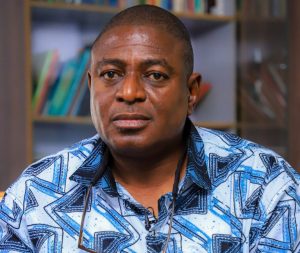
He argued that the continued decline in public services and limited access to quality education, healthcare, electricity, roads, water and employment have worsened insecurity, urging the government not to rush constitutional reforms without first addressing the weaknesses of existing institutions.