The Civil Society Legislative Advocacy Centre (CISLAC) has called for a more citizen focused approach to measuring Nigeria’s progress in security, justice and governance.
The organisation made the call while presenting its ninth SDG 16 Shadow Report at the 81st United Nations General Assembly.
The report, covering developments from July 2025 to August 2026, examines Nigeria’s progress on peace, justice, institutional accountability, civic freedoms, corruption, illicit financial flows and access to justice.
- Community Leaders Help Drive Vaccine Uptake In Kano
- CISLAC Calls For Citizen Focused Approach To Security And Governance
- SEKI-Plomacy Targets 900 Cultural Festivals Across Niger Delta
- CSOs Demand Transparency Over JBS $2.5bn Livestock Investment
- Student Group Announces New Send-Forth Date, Sets October 10 for Elections
CISLAC Calls For Citizen Centred Governance
Executive Director of CISLAC and Head of Transparency International Nigeria, Auwal Ibrahim Musa Rafsanjani, said independent evidence is important in assessing Nigeria’s progress towards Sustainable Development Goal 16.
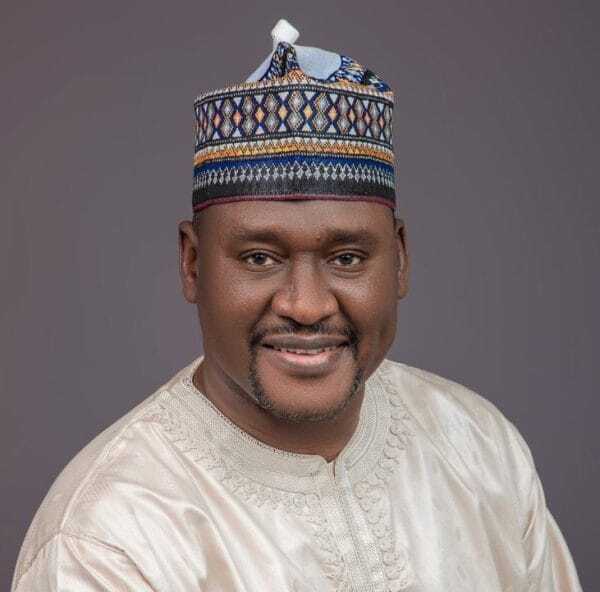
He said government reports remain important but should be complemented by independent research, monitoring and evidence from communities.
Auwal Ibrahim Musa Rafsanjani explained that the shadow report was not intended to replace official assessments or portray Nigeria negatively, but to provide national and international stakeholders with independent evidence that can support accountability and reforms.
Insecurity Affecting Daily Life
The report highlights insecurity, particularly what CISLAC described as an expanding kidnap for ransom economy, and its wider impact on Nigerians.
Auwal Ibrahim Musa Rafsanjani said insecurity affects more than the safety of lives and property, as it also disrupts farming, education, businesses, movement and other daily activities.
He cited farmers unable to access their farms, children kept away from school and businesses facing rising security costs as examples of how insecurity affects development.
According to CISLAC, these challenges can also influence citizens’ confidence in institutions responsible for protecting them.
Calls For Stronger Cooperation
Beyond insecurity, the report examines corruption, illicit financial flows, illegal arms movements, organised crime, civic freedoms, access to justice and institutional accountability.
CISLAC said some of these challenges have cross border dimensions and require stronger cooperation between Nigeria and other countries.
The organisation called for improved financial transparency, stronger asset recovery mechanisms and greater institutional capacity to tackle criminal networks and illicit financial activities.
Auwal Ibrahim Musa Rafsanjani said presenting the report at the United Nations provided an opportunity to place Nigeria’s international commitments alongside evidence gathered independently and the experiences of ordinary citizens.
“The true measure of SDG 16 is not how many policies Nigeria adopts or how many international meetings it attends. It is whether Nigerians experience greater security, accessible justice, transparent governance, effective accountability and stronger confidence in public institutions,” he said.
He added that CISLAC’s intention was not simply to highlight Nigeria’s challenges internationally but to provide evidence that could strengthen accountability and support practical solutions.
CISLAC maintained that policies and commitments must translate into improvements in the daily lives of Nigerians.
The organisation said putting citizens’ experiences alongside official reports would provide a broader picture of Nigeria’s progress under SDG 16 and help identify areas requiring stronger action.
It said the ultimate goal is to promote reforms that improve security, access to justice, transparent governance and public confidence in Nigeria’s institutions.