

NIGER’S MASS ABDUCTION TESTS SECURITY RESPONSE
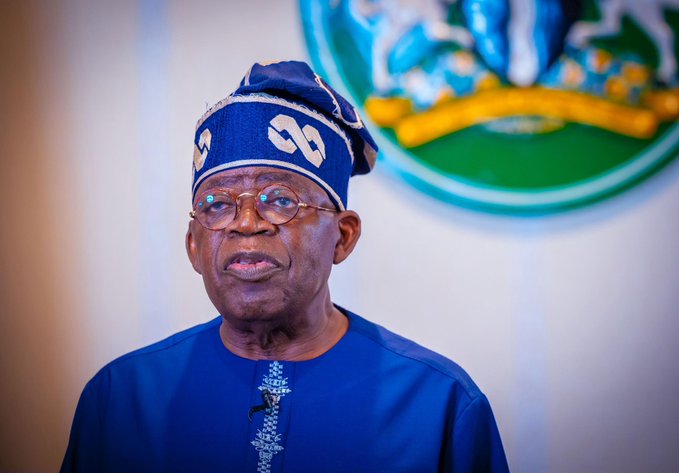
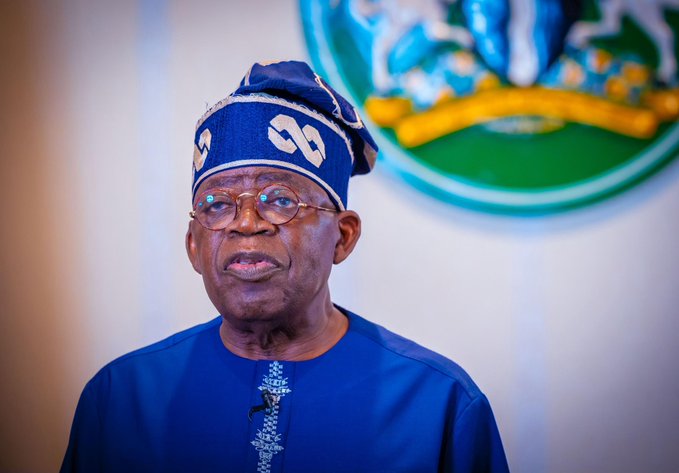
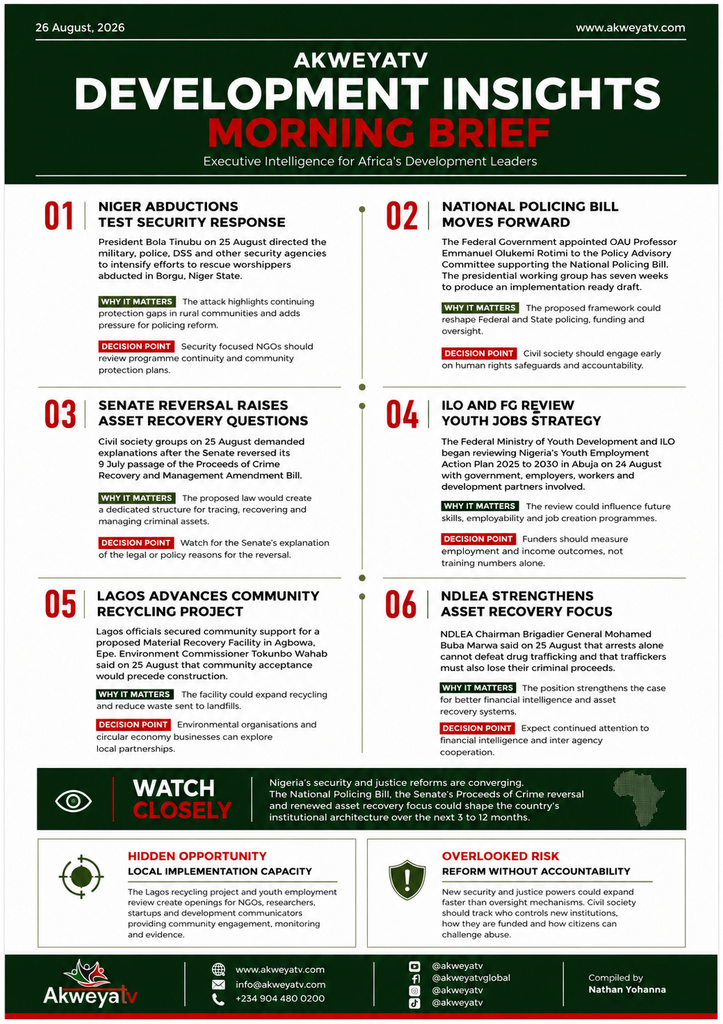
What happened: President Bola Tinubu on Tuesday, 25 August, directed the Armed Forces, Nigeria Police Force, DSS and other security agencies to intensify efforts to rescue worshippers abducted in Borgu Local Government Area, Niger State, following attacks on communities and a mosque.
Why it matters: The incident highlights continuing weaknesses in the protection of rural communities and is adding urgency to Nigeria’s wider policing reform debate.
Decision point: Security focused NGOs should reassess programme continuity and community protection plans in high risk areas.
FEDERAL GOVERNMENT ADVANCES NATIONAL POLICING BILL
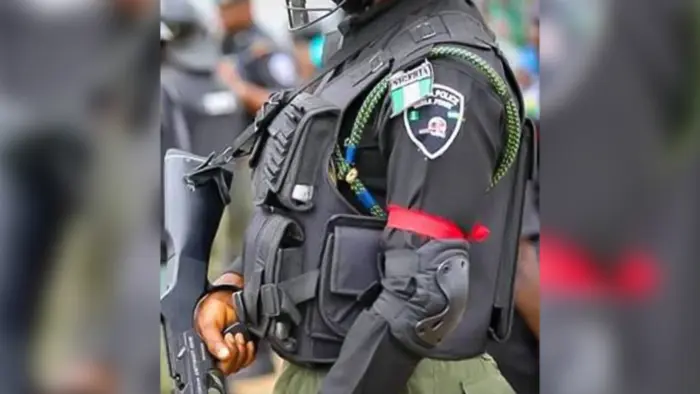
What happened: The Federal Government appointed Professor Emmanuel Olukemi Rotimi of Obafemi Awolowo University to the Policy Advisory Committee of the Presidential Working Group on the National Policing Bill. The group, chaired by Chief of Staff Femi Gbajabiamila, has seven weeks to produce an implementation ready draft.
Why it matters: The proposed framework is expected to provide for Federal and State Police Services, with rules covering funding, accountability, oversight and operational responsibilities.
Decision point: Civil society and governance organisations should engage early on safeguards against political abuse and human rights violations.
SENATE REVERSAL TRIGGERS PROCEEDS OF CRIME CONCERNS
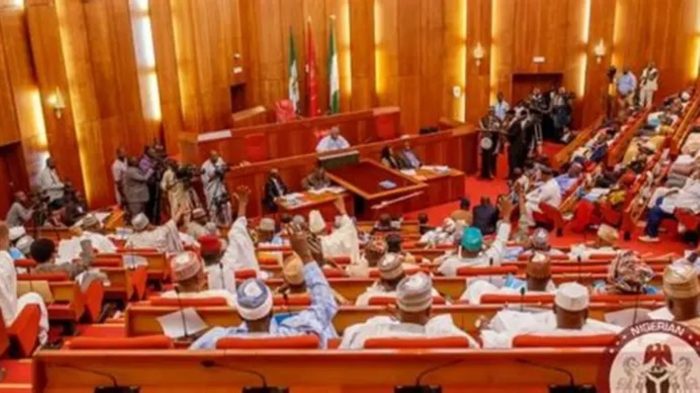
What happened: Civil society groups on 25 August demanded explanations after the Senate rescinded its 9 July passage of the Proceeds of Crime Recovery and Management Amendment Bill. The legislation had passed public hearing, committee scrutiny, consideration of all 51 clauses and third reading.
Why it matters: The proposed law sought a standalone agency to trace, recover, manage and dispose of proceeds of unlawful activity.
Decision point: Watch whether Senate leaders publicly identify the specific legal or policy reasons behind the reversal.
- Nollywood Actresses Raise Alarm Over Fake And Unsafe Products In Nigeria
- Wike Calls FCT NLC Strike Political, Orders No Work, No Pay
- Tinubu Backs Digital Skills Push For Oyo Youths
- AKWEYATV ENTERTAINMENT INTELLIGENCE, 10 OCTOBER 2026
- Quantus Foundation Empowers 600 Girls Through Health Education
ILO AND FG REVIEW YOUTH EMPLOYMENT STRATEGY

What happened: The Federal Ministry of Youth Development and International Labour Organisation began reviewing Nigeria’s Youth Employment Action Plan 2025 to 2030 at a stakeholder meeting in Abuja on Monday, 24 August. Development partners, employers, workers and youth stakeholders are participating.
Why it matters: The review could reshape how government and development partners approach youth employability, skills and job creation.
Decision point: Funders should prioritise programmes that demonstrate actual employment and income outcomes, not training numbers alone.
LAGOS GAINS COMMUNITY SUPPORT FOR RECYCLING FACILITY
What happened: Lagos State officials secured the backing of traditional rulers and community leaders in Owu Ikosi and Agbowa Ikosi for a proposed Material Recovery Facility in Agbowa, Epe. Environment Commissioner Tokunbo Wahab said on 25 August that community acceptance would precede construction.
Why it matters: The facility is intended to expand waste recovery and recycling while reducing the amount of waste sent to landfills.
Decision point: Environmental NGOs and circular economy businesses could explore community based recycling and livelihood partnerships around the project.
NDLEA PUSHES ASSET RECOVERY IN DRUG WAR
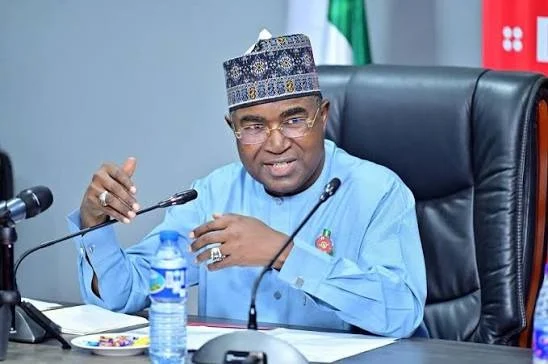
What happened: NDLEA Chairman Brigadier General Mohamed Buba Marwa said on 25 August at the Cambridge International Symposium on Economic Crime that arrests alone cannot defeat drug trafficking. He argued that traffickers must also lose the proceeds of crime.
Why it matters: The position reinforces a broader Nigerian policy debate over creating stronger systems for tracing, recovering and managing criminal assets.
Decision point: Asset recovery, financial intelligence and inter agency coordination are likely to remain major governance priorities.
WATCH CLOSELY
Nigeria’s security and justice reforms are converging. The National Policing Bill, the Senate’s Proceeds of Crime reversal and renewed emphasis on asset recovery all point toward a larger institutional question. Can Nigeria build stronger security and justice systems while maintaining transparency, civilian oversight and public trust?
HIDDEN OPPORTUNITY
Local implementation capacity. The Lagos recycling project and the youth employment review create openings for NGOs, researchers, startups and development communicators that can provide community engagement, evidence, monitoring and measurable impact.
OVERLOOKED RISK
Implementation without accountability. Faster reforms in policing, security and criminal asset management could produce new powers and institutions without equally strong oversight. Civil society should track not only what government creates, but who controls it, how it is funded and how citizens can challenge abuse.
Compiled by Nathan Yohanna
For more inquiries:
Website: www.akweyatv.com
Email: info@akweyatv.com
Phone number: +234 904 480 0200
YouTube: @akweyatv
Facebook: @akweyatvglobal
Instagram: @akweyatv
TikTok: @akweyatv