

Media, Technology and Nigeria’s 2027 Elections: Building Credible Information for Democracy
As Nigeria heads toward the 2027 general elections, communication scholars and media professionals are calling for stronger collaboration, credible information systems, and responsible use of technology to protect democracy and national development.
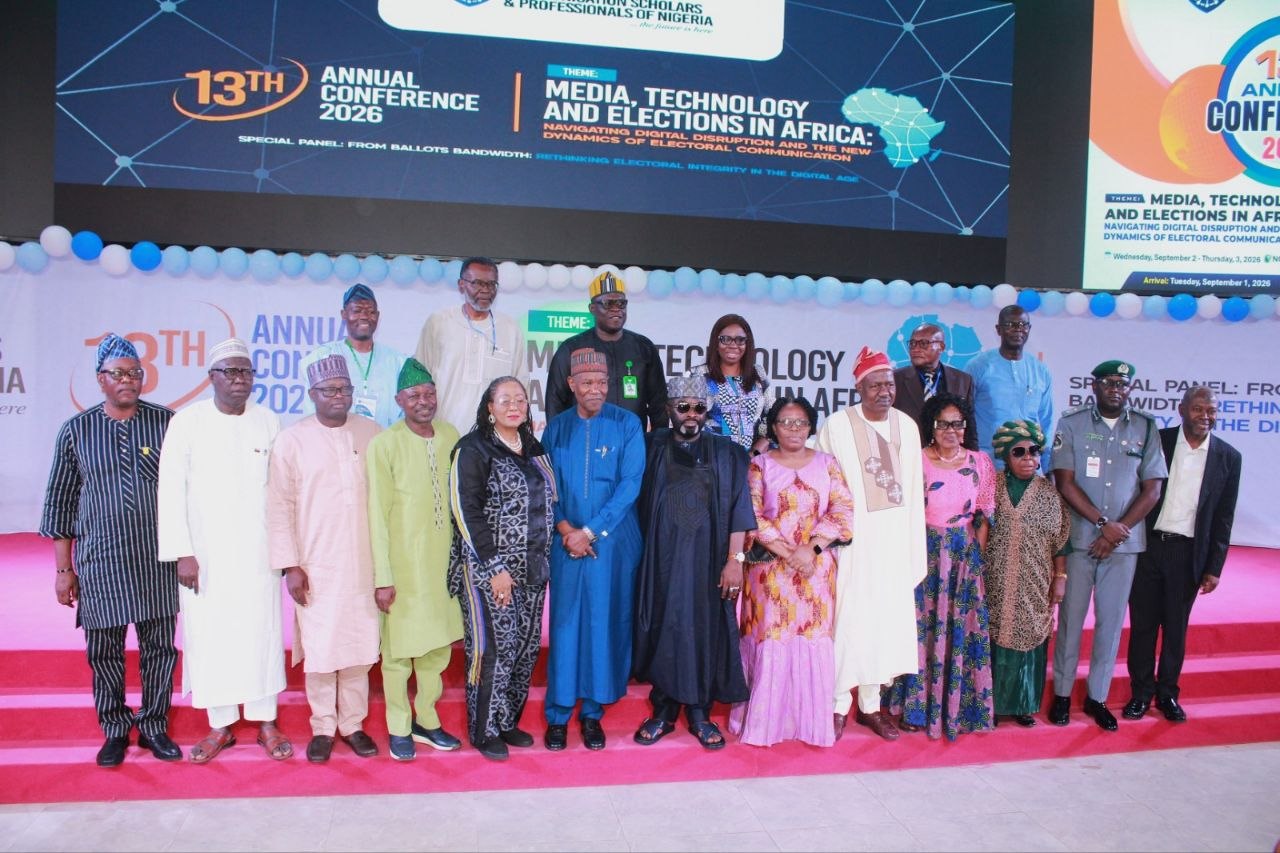
At the 13th Annual International Conference of the Association of Communication Scholars and Professionals of Nigeria (ACSPN) on the 2nd of September 2026, in Abuja, participants examined how digital platforms and electoral technology are reshaping democratic participation.
Professor Rotimi Olatunji, ACSPN President, stressed the link between electoral credibility and development:
Credibility in elections is at the root of democracy and national development.
He warned that weak confidence in elections could destabilize both politics and the economy, urging investment in robust digital infrastructure for voter registration, verification, and real time transmission of results.

Deputy Comptroller Abdullahi Aliyu Maiwada of the Nigeria Customs Service highlighted the need to connect academic knowledge with practice:
There should be a bridge between theory and practice to achieve communication with impact.”
Dr. Oluwadolun Adesile of the National Open University of Nigeria emphasized media literacy as a tool for democratic development, reminding citizens: “Anyone who decides not to vote and later complains about what happened has not taken part in the process.”
The conference also explored the role of visual journalism. Prof. Abigail Ogwezzy Ndisika argued that political cartoons can expose institutional weaknesses and connect electoral choices to everyday realities such as jobs, poverty, and public services.
- PIND Inaugurates 30 Peace Influencers in Warri
- Abuja Residents Demand Safer Electricity Inspections
- Kenya Confirms Eighth Ebola Case
- Air Strikes Kill 103 ISWAP Fighters In Borno, Adamawa
- Dr Dauda Garuba’s Journey In Democracy And Governance
Speakers agreed that technology alone cannot solve misinformation. Journalists, researchers, institutions, and citizens must share responsibility for building an information ecosystem rooted in transparency and accountability.

As Olatunji concluded: “Democracy is very critical to national development. If democracy is not credible, the entire process will be undermined.”
The conference produced a broad message of shared responsibility.
Electoral institutions must invest in reliable technology, transparent processes and effective public communication.
Media organisations must strengthen fact-checking and professional standards while using their platforms to promote voter education and media literacy.
Researchers and universities must produce evidence capable of improving electoral policy and practice.
Government institutions must communicate reforms and public policies clearly while engaging citizens as stakeholders rather than passive recipients.
Citizens must take responsibility for the information they consume and share, understand their electoral rights, and participate in holding institutions accountable.
For Maiwada, the answer lies in connecting expertise across sectors.
“There should be a bridge between theory and practice to achieve communication with impact.”
Beyond the 2027 Elections
The significance of the conference extends beyond the next electoral cycle.
Nigeria’s development depends not only on physical infrastructure, economic policies and government programmes, but also on the quality of the information environment in which citizens make decisions.

A society where citizens have access to credible information is better positioned to demand accountability. A media system capable of interrogating public policy can strengthen institutions. And electoral institutions that communicate transparently can build public confidence.
The ACSPN conference therefore presented communication as a development infrastructure of its own.
Its central message was that technology must serve citizens, not overwhelm them; media must inform rather than manipulate; and elections must produce not merely winners, but institutions capable of commanding public trust.

As Nigeria approaches 2027, the challenge is consequently bigger than conducting another election. It is about building an information ecosystem that supports informed citizenship, accountable leadership, and sustainable democratic development.