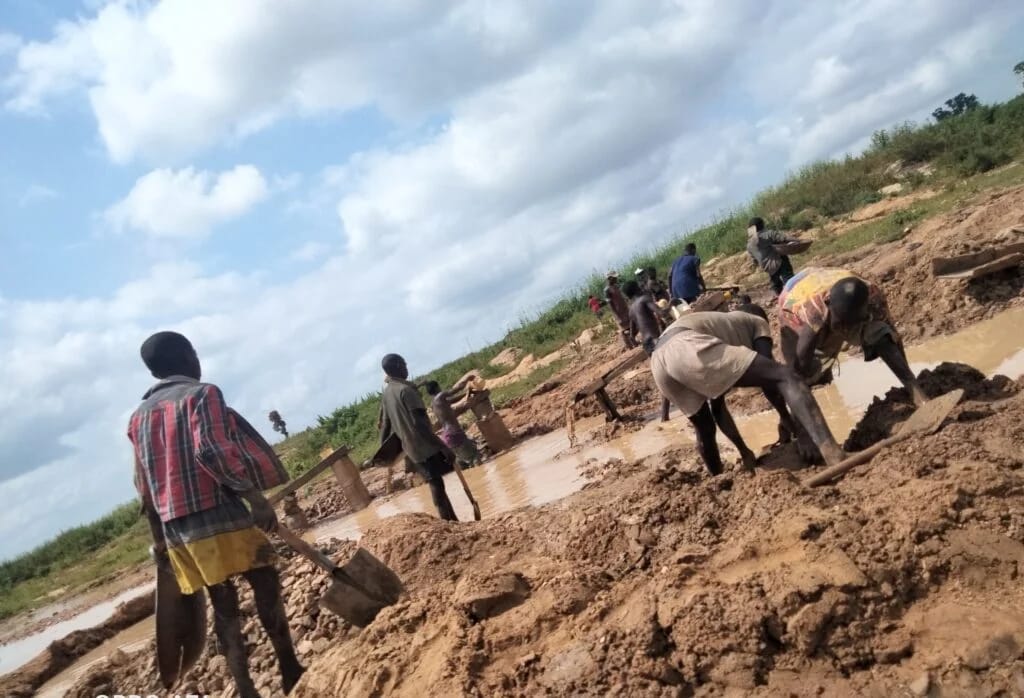

A reported 37 artisanal miners are dead after being held in the custody of the Nigeria Security and Civil Defense Corps, NSCDC, in Minna, Niger State — and serious questions are now being raised about how they died.
Women in Mining Nigeria, WIMIN, is demanding an independent investigation into the deaths, saying the miners were among scores of people arrested during enforcement operations in the M.I. Wushishi and Lukoto areas of Niger State on September 15 and 16.
Behind the numbers are families now left asking questions that may never be easy to answer.
Mothers have reportedly lost sons. Sisters have lost brothers. Families have lost breadwinners.
And according to WIMIN, some of those who died may have been teenagers between 14 and 18 years old.
If confirmed, one question becomes impossible to ignore:
How did children end up inside a detention cell connected to a mining enforcement operation — and how did they end up dead?
WIMIN said accounts from survivors and other reports raised disturbing concerns about the conditions in which detainees were held.
The organization cited allegations of overcrowding, extreme heat, dehydration and poor ventilation, with claims that as many as 65 people were confined in a single cell.
Some detainees reportedly called for help as others collapsed.
Then came the deaths.
The NSCDC initially attributed the incident to a disease outbreak, according to WIMIN. But the organization says that explanation does not remove the need for an independent investigation into the circumstances surrounding the deaths.
And that raises another question:
If a disease outbreak caused the deaths, why were so many people reportedly becoming critically ill inside the same detention environment?
Were there adequate medical checks?
Was emergency medical assistance available?
Were the cells properly ventilated?
Were detainees given enough water?
And when people began collapsing, who was responsible for responding?
These are not simply questions about mining.
They are questions about what happens to people after they are taken into custody.
WIMIN Founder and National President, Engr. Janet Adeyemi, said the incident exposes the need for government to rethink how it deals with artisanal miners, particularly in communities where poverty leaves few economic alternatives.

The organization is calling for a shift from aggressive enforcement towards what it describes as “human-centric formalization” bringing miners into safer and legally recognized systems through cooperatives, training, regulation and access to appropriate equipment.
But the controversy did not end with the deaths.
WIMIN also condemned reports of force and tear gas allegedly used against families and community members who gathered in Minna to demand answers.
That leaves yet another difficult question:
When families are grieving and demanding to know how their loved ones died, should their questions be met with force — or answers?
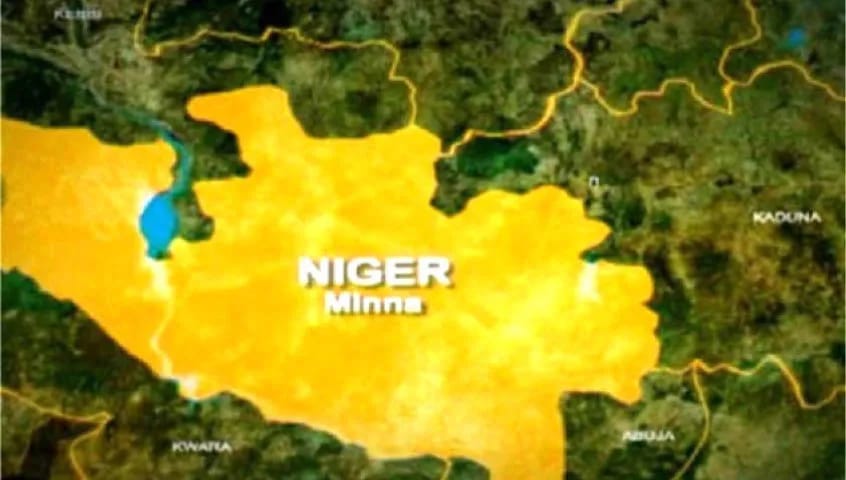
Niger State has significant mineral resources, including gold, lithium and tantalite. For many residents, artisanal mining is not simply an illegal activity or a security problem. It is also a source of survival in communities facing severe poverty.
WIMIN cited National Bureau of Statistics data putting the state’s multidimensional poverty rate at 69.1 per cent.
That reality complicates the story.
If poverty pushes young people into dangerous mining activities, is arrest alone enough?
If children are entering the sector, where are the educational alternatives?
If miners are operating outside formal systems, why has safer formalization not reached them quickly enough?
And most importantly:
How many more families must bury loved ones before the system changes?

WIMIN is calling for the Federal and Niger State Governments to establish an independent judicial panel to investigate the deaths.
It also wants independent medical experts to monitor the autopsies reportedly conducted at Minna General Hospital, saying transparency is necessary for the affected families.
The organization has further called for anyone found responsible for negligence, failure in duty or abuse of power to face prosecution.
It wants detention facilities operated by paramilitary and security agencies across Nigeria audited, particularly for overcrowding, ventilation and emergency medical response.
It is also demanding stronger child-labour protections, educational alternatives for young people and support and compensation for families affected by the deaths.
- NGO Backs Disability Inclusion in Climate Action
- Why Nigeria’s Northwest Matters Beyond Security
- PWAN Boosts Fight Against Gender-Based Violence In Three Ondo Communities
- Akweya TV Celebrates Interns’ 12-Week Journey
- 6 Reasons Ibrahim Idris Administration Remains Notable
But beyond the official statements, demands and investigations lies one question that should not disappear with the news cycle:
What happened inside that cell?
Thirty-seven people are reported dead.
Families are grieving.
Communities are demanding answers.
And until an independent investigation establishes what happened, the questions remain.
Who knew?
Who was responsible?
Who tried to help?
Why did so many people die?
And perhaps the hardest question of all:
If they had been someone’s sons, brothers and fathers outside a detention cell, could their deaths have been prevented?