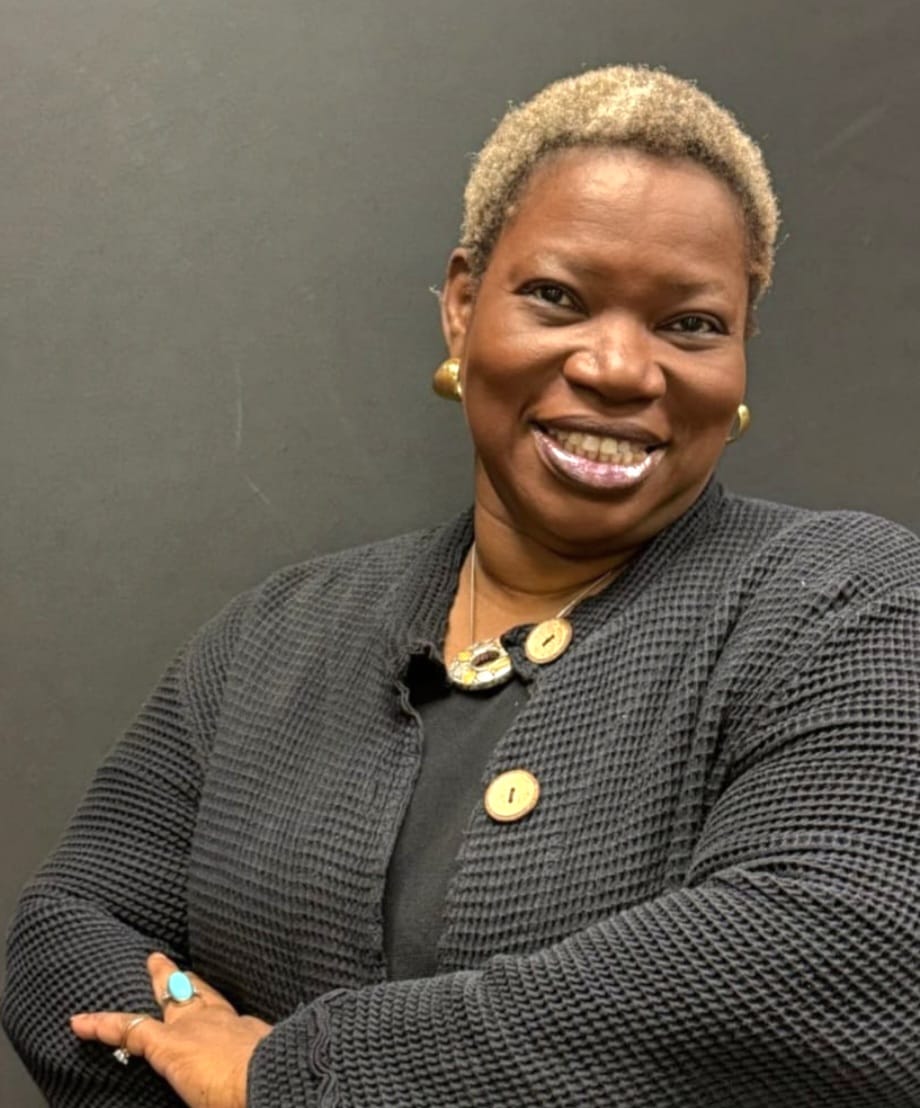

Some people build careers. Others build institutions. A rare few spend their lives building opportunities for people they may never become. Dr. Awele Ilusanmi has chosen the latter.
That is why turning 50 is not merely an occasion to celebrate a birthday. It is an opportunity to take stock of a life that has increasingly become intertwined with the fortunes of books, writers and readers.
In a literary ecosystem where it is easy to celebrate the author but forget the people who struggle to make the author’s work visible, Awele has occupied an unusual space. She has not been content simply to write books. She has worked to make books sell. She has not merely encouraged writers to publish. She has challenged them to understand what comes after publication. And she has not simply complained about Nigeria’s reading culture. She has repeatedly sought ways to rebuild it.
That is a different kind of literary service.
Very few people in the Nigerian literary community can be described as selfless in quite the same measure. Perhaps BM Dzukogi, Eriata Oribhabor, Teresa Oyibo, Steve Shaba, Ahmed Maiwada, Ibrahim Sheme, Dr. Bukar Usman and the late Evelyn Osagie belong to that same uncommon league of literary philanthropists; people who have given their time, resources, networks and influence to ensure that books remain important and writers have a fighting chance.
They give to the book. And Awele has done so with remarkable consistency.
The woman behind the “Queen of Books”
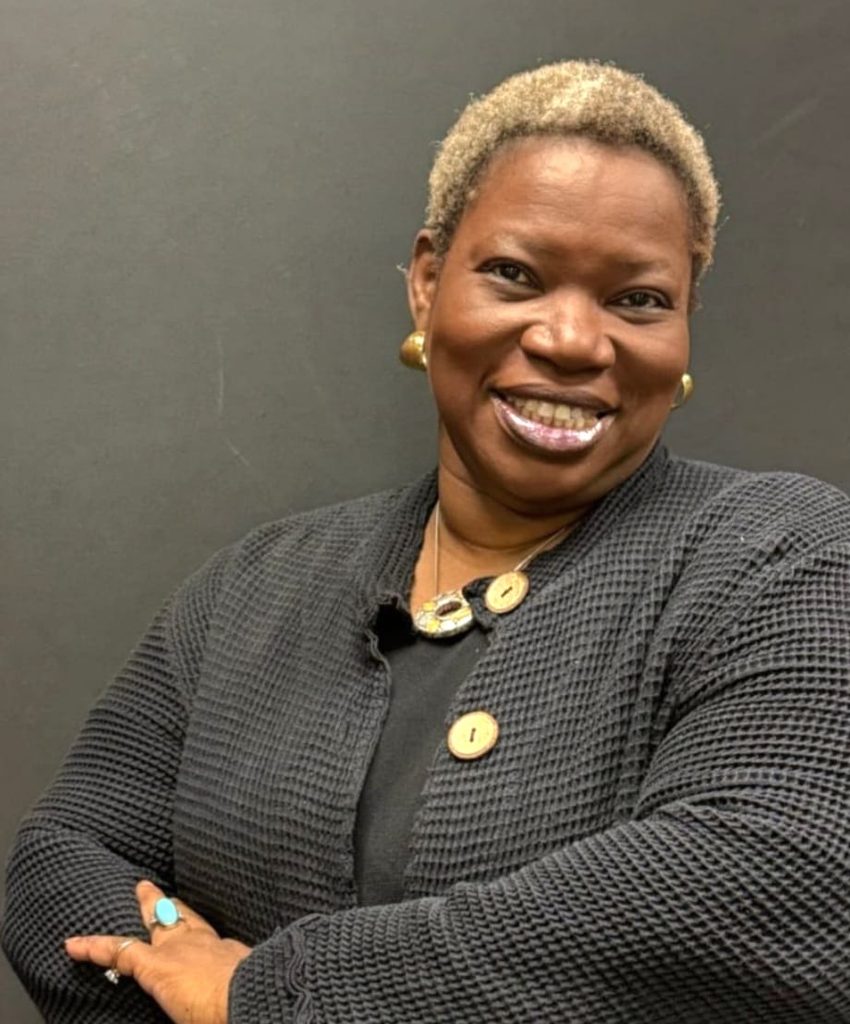
Dr. Awele Ilusanmi is widely known as an author, publisher and literary strategist, and has earned the affectionate description “Queen of Books.”
But titles, however flattering, can sometimes obscure the real work.
The real story is not simply that Awele has written books or occupied important positions. It is that she has increasingly positioned herself as an advocate for the entire literary value chain.
As President of the Literary Authors Cooperative Multipurpose Society of Nigeria (LITACO), she has occupied a leadership position within the professional literary community. Through Book Marketing Class Africa (BMACA), which she founded, she has focused attention on a subject many writers traditionally overlook: how to turn literary talent into sustainable careers. That intervention is important.
For too long, the African literary conversation has sometimes romanticised the struggling writer, the talented author who writes brilliantly but remains invisible, unpublished, poorly marketed or unable to make a sustainable living from the work.
Awele’s philosophy challenges that romanticism. For her, talent is not enough. The book must reach the reader. The reader must know the book exists. And the author must understand how to build a sustainable relationship with that reader.
Her books—including Profitable Pages: How to Sell Your Books Directly to Your Readers and Make Maximum Profits, Book Marketing Strategies That Work, Comforting Arms and Launch Money—reflect that conviction.
She has essentially been telling writers something the industry needs to hear more often: Writing the book is only the beginning.
Her real constituency: possibility
Perhaps the most revealing thing about Awele is not her list of accomplishments but her philosophy.
“I See Only Possibilities.” It is a deceptively simple statement. Yet it captures something fundamental about people who build ecosystems. They see possibilities where others see problems.
- Tinubu, Obi Celebrate Kwankwaso On His 70th Birthday
- Zainab Shinkafi Becomes First African President Of UICC
- DEVELOPMENT INSIGHTS MORNING BRIEF, 22 OCTOBER 2026
- After 22 Years, NAAS Pioneer Returns to Honour Akweya Graduates at Benue Varsity
- Nigeria Revisits Ebola Lessons as New Case Emerges
A struggling writer becomes a potential bestseller. An unpublished manuscript becomes a potential book. A young storyteller becomes a potential literary voice. A declining reading culture becomes an opportunity for intervention. And an industry with structural problems becomes something that can still be rebuilt.
This mindset explains much of Awele’s work.
Her 36 States & FCT Rewarding Reading Initiative, for instance, is an ambitious attempt to make reading a national conversation rather than an activity confined to literary festivals, schools or book clubs.
Her eponymous short story competition similarly creates a platform for emerging writers to be discovered, encouraged and rewarded.
These initiatives may appear different on the surface. But underneath them is the same idea: Invest in possibility. Because books need more than writers.
A country’s literary culture does not grow simply because talented people write good books. It grows when an ecosystem exists around those books.
Writers need publishers. Publishers need readers. Readers need access. Books need marketing. Young writers need mentors. And emerging voices need people willing to open doors before they become famous enough to open doors for themselves.
This is where Awele’s contribution becomes particularly significant. She has spent years working in those spaces between the writer and the reader, between the book and the marketplace, and between talent and opportunity.
That work is not always glamorous.
There is rarely a headline for the author who finally sells a few more copies because someone taught them how to market their book.
There is rarely a ceremony for the young writer who gains confidence because somebody took their work seriously. And there is rarely a standing ovation for the person who spends personal resources keeping a literary initiative alive.
Yet these are the quiet acts from which literary cultures are built.
A Nigerian Literary Voice With A Global Footprint
Awele’s influence has also extended beyond Nigeria.
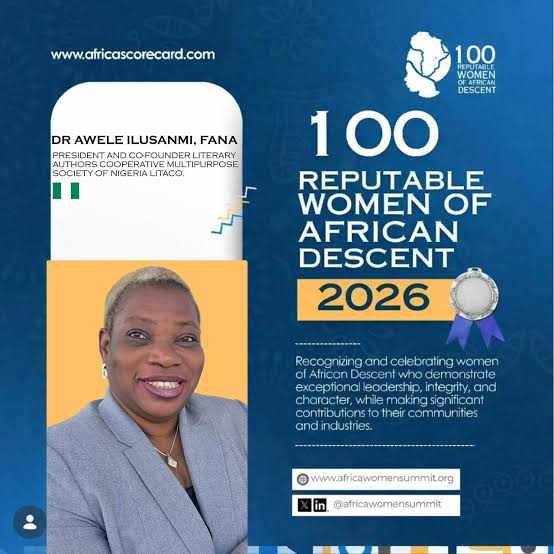
In May 2026, she was recognised among the 100 Reputable Women of African Descent in Tanzania for her leadership and contributions. She serves as Vice-President of the African Woman Summit, USA, and holds fellowships and other professional recognitions, including Fellowship of the Association of Nigerian Authors.
Her academic journey has taken her into the American academic environment, where she has been pursuing her doctorate at Stephen F. Austin State University in Texas. Her appointment as the first Nigerian woman to serve as Assistant Editor of the Journal of Human Services, Training & Research adds another dimension to a career that increasingly crosses literature, publishing, education and professional development.
These are impressive milestones. But the better question is not how many recognitions Awele has received. It is how many people have benefited from her work.
The real meaning of 50
At 50, the temptation is to count achievements. Positions. Books. Awards. Appointments. Initiatives.
But there is another way to measure a life. Count the people who are better positioned because you were there. Count the doors you opened. Count the writers you encouraged. Count the readers you helped create. Count the ideas you kept alive. Count the possibilities you refused to dismiss.
By that measure, Awele’s story becomes considerably larger than a CV. It becomes a story about service.
And perhaps that is the most fitting tribute to a woman whose life has been so closely associated with the book.
Because the book, at its best, is an act of service. Someone writes so that another person may discover. Someone publishes so that an idea may travel. Someone reads so that knowledge may continue. And someone, somewhere along that chain, must be willing to make the entire journey possible.
Awele has chosen to be that person. Last year, with poet Odoh Diego Okenyodo and others, she was working to found Literary Collecting Society of Nigeria (LITCOSON).
The next chapter
Fifty is often described as an age of arrival. For Awele, one may suspect it is better understood as an age of expansion.
There is still much work to do.
Nigeria still needs more readers. African writers still need stronger markets. Young authors still need mentorship. Books still need better distribution. And the continent still needs institutions capable of transforming its enormous storytelling talent into sustainable literary economies.
The work is far from finished.
But perhaps that is precisely why celebrating Awele at 50 matters. We are not celebrating the end of a journey.
We are celebrating the accumulated strength of the journey so far, and the possibilities of what comes next.
So, on this 5th day of September 2026, as Dr. Awele Ilusanmi enters her sixth decade, the literary community should do more than say happy birthday.
It should say thank you. AkweyaTV says thank you for believing in writers. Thank you for believing in readers. Thank you for believing in books. And, above all, thank you for continuing to see possibilities where others see limitations.
Happy 50th birthday, Dr. Awele Ilusanmi, the Queen of Books.
May the next fifty years produce even more books, more readers, more writers, more open doors and, above all, more possibilities.