

What if a reduction in petrol costs could do more than ease pressure at filling stations? What if it also helped traders transport produce more cheaply, enabled food distributors to review their charges and gave Nigerian households a better chance of affording essential meals?
That possibility is at the centre of a new appeal by Working People United (WoPU), which has called on transport operators, haulage companies and food distributors to reduce their charges following the Federal Government’s 30-day petrol intervention.
In a statement on October 12, 2026, the movement welcomed the intervention announced under President Bola Tinubu’s administration but warned that its impact could remain limited if savings from lower petrol costs failed to reach consumers.

WoPU National Coordinator-General Williams Akporeha said transporters and businesses should pass on any genuine reductions in operating expenses to passengers and customers. The movement stressed that the success of the intervention should be assessed by changes in transportation costs, food prices and the affordability of other essential goods.
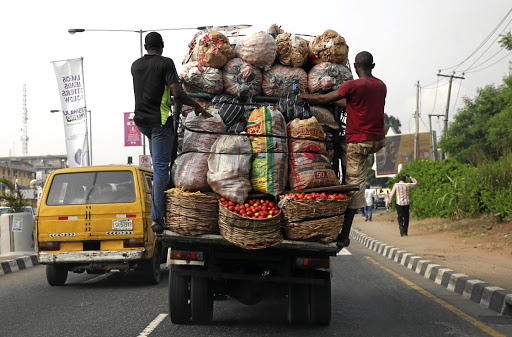
The connection between fuel and food is significant. Agricultural produce must travel from farms to collection points, markets and distribution centres before reaching consumers. When transportation and haulage charges rise, the additional costs can place further pressure on traders and households. Conversely, genuine reductions in distribution expenses could create room for lower prices, provided other production and supply-chain costs do not offset the savings.
For small traders and food distributors, this presents an opportunity to review operating costs and pricing decisions. For families, the potential benefit is equally important: more affordable food could leave additional money for school expenses, healthcare, transportation and other daily necessities.
Yet WoPU cautioned against assuming that cheaper petrol would automatically produce cheaper food. Agricultural production expenses, distribution challenges and other supply-chain pressures may continue to influence market prices. That is why the movement called for transparent pricing and stronger monitoring by relevant government agencies to help ensure that consumers benefit from any genuine savings.
It also urged the government to use the 30-day intervention as an opportunity to address deeper economic challenges, including expensive agricultural inputs and inadequate transportation infrastructure. According to the movement, lasting improvements in living conditions require more than a temporary reduction in fuel costs.
This is where human interest stories Africa can reveal the importance of economic policies through the experiences of ordinary people. The experiences of market traders, food distributors, transport operators and working families offer valuable insight into how decisions made at the national level affect life in Nigerian communities.
- Adekunle Lukman Champions Human Rights And Community Development
- DEVELOPMENT INSIGHTS MORNING BRIEF, 9 NOVEMBER 2026
- Peter Obi Celebrates Flamingos After Maiden U-17 World Cup Win
- Chief Ignatius Nomhwange A Life Of Integrity And Service
- CSOs Call For Protection Of Civic Rights In Southeast Nigeria
These community stories Nigeria readers encounter every day are not simply about prices. They are about whether small businesses can operate sustainably, whether workers can feed their families comfortably and whether households can recover some of the purchasing power lost to rising living costs.
WoPU’s appeal therefore places responsibility on several groups: government must monitor the intervention, transport operators must assess their charges, and distributors must consider whether genuine savings can be reflected in their prices.
The outcome remains to be seen, but the question is important. Can a 30-day petrol intervention translate into a meaningful difference in the cost of everyday life?
For Nigerians watching the markets and managing tight household budgets, the answer will matter far more than the announcement itself. If lower operating costs eventually translate into more affordable food and transportation, the intervention could offer practical relief and become one of those stories that inspire Nigeria by demonstrating how coordinated action can improve people’s daily experiences.