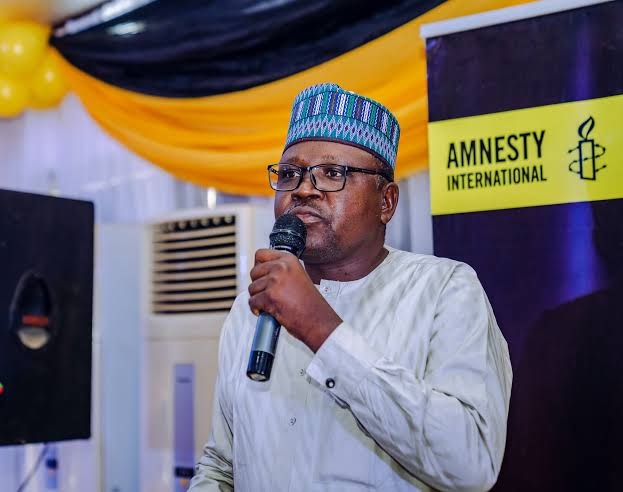

A growing land dispute in Maitama, Abuja, has triggered fresh demands for transparency, with Amnesty International Nigeria calling on Federal Capital Territory authorities to explain how land reportedly reserved for critical public infrastructure became the subject of proposed private development.
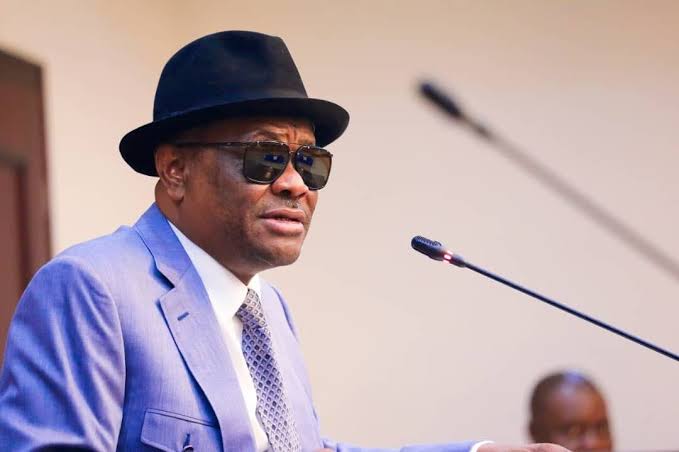
The organisation has urged FCT Minister Nyesom Wike and the Federal Capital Development Authority (FCDA) to suspend demolition activities on Plot 5334, located in Cadastral Zone A06, Maitama, until outstanding legal, administrative and technical issues are resolved.
The development, reported on October 12, 2026, has become an important issue in Nigerian current affairs, raising questions about land allocation, urban planning, environmental protection and the accountability of public institutions.
According to Amnesty International Nigeria’s Executive Director, Isa Sanusi, the disputed corridor reportedly accommodates underground stormwater and sewage drainage infrastructure constructed by Julius Berger Plc between 2012 and 2014 to help address flooding risks in the area.
The land was reportedly allocated to Hammari Energy Limited for private real estate development, prompting the organisation to question whether the proposed construction is compatible with the site’s reported designation as an infrastructure corridor.
Amnesty International maintains that decisions involving essential public utilities must be guided by reliable technical evidence, applicable laws and the broader public interest.
The dispute has reportedly been presented to authorities through administrative petitions and is currently the subject of litigation seeking an interlocutory injunction to restrain development for private residential use.
At the same time, an alternative dispute resolution process before the FCT ADR Committee is reportedly nearing completion, creating another avenue through which the disagreement could be addressed.
However, the organisation expressed concern over a demolition notice dated October 9, 2026, reportedly issued by the Director of Development Control and targeting protective boundary structures along the corridor.
Amnesty International warned that proceeding with demolition before the relevant questions have been adequately examined could undermine due process, affect ongoing legal proceedings and potentially expose neighbouring properties and public infrastructure to avoidable risks.
The organisation also said the FCDA had reportedly inspected the site and confirmed that it was reserved for an infrastructure corridor. It wants the relevant authorities to clarify the circumstances surrounding the land allocation and the approvals that may have permitted private development.
Sanusi called for the disclosure of allocation records, planning approvals, technical assessments and the legal basis for allowing construction on land reportedly designated for public infrastructure.
For Nigerians following Nigeria news and updates, the controversy highlights a broader governance challenge: how can public authorities balance private property development with the need to preserve essential infrastructure and uphold established planning rules?
Amnesty International argues that a temporary suspension of demolition would give the authorities an opportunity to examine the available evidence, respect ongoing legal processes and prevent potentially irreversible damage.
- Dangote Refinery IPO Attracts Fourfold Subscriptions
- Alex Mascot Rebuilds Constitution Crescent Primary School
- Education Investment Could Transform Nigeria’s Girls
- Amnesty Demands Answers Over Maitama Land Allocation
- School or Marriage: The Choice No Girl Should Face
It has called on the FCT Minister and other relevant agencies to protect essential public facilities, ensure affected parties have access to justice and provide effective remedies where necessary.
The organisation also stressed that public decisions concerning critical utility corridors should be transparent and consistent with the law.
As the dispute moves through legal and administrative channels, the authorities’ response could offer an important test of transparency, accountability and the enforcement of Abuja’s urban planning framework.
For a city facing continuing development pressures, the issue extends beyond one disputed plot. It concerns how public land is managed, how infrastructure is protected and whether decisions affecting the wider community are made in the public interest.
These are the questions at the heart of a developing Nigerian news story that could carry significant implications for public trust and responsible urban development.