
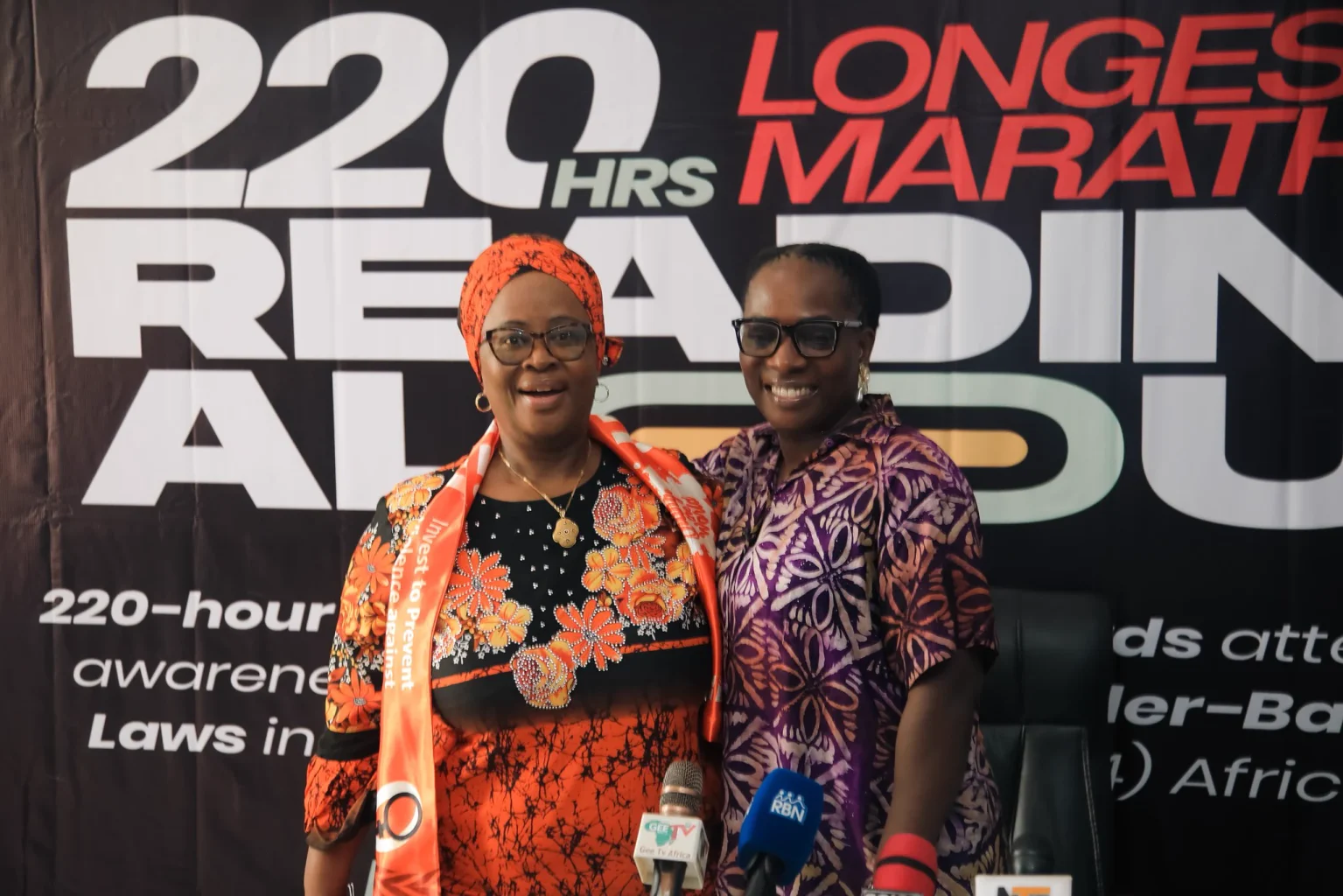

The United Nations (UN) Women Country Representative to Nigeria and ECOWAS, Beatrice Eyong, has identified limited public awareness of laws protecting women and girls as a major challenge in the fight against sexual and gender-based violence (SGBV) in Nigeria and across Africa.
Beatrice Eyong made this known in Abuja during the commencement of Olubumi Oluba’s 220-hour continuous reading marathon, an initiative aimed at raising awareness of laws addressing sexual and gender-based violence in Nigeria and 14 other African countries.
She said many women and girls remain unaware of their legal rights, the protections available to them and where to seek help when they experience violence.
According to her, the gap between existing laws and public knowledge continues to make it difficult for survivors to access justice and receive adequate protection.
- Why 100,000 Followers Are Hooked on This Lady’s AI Storytelling
- UN Women Says Legal Awareness Is Key To Ending Gender-Based Violence
- CentreSGD Raises Concern Over Election Violence
- Mohammed Attah Promotes Transparency In Nigeria’s Procurement System
- Civil Society Gets Encouraging Response From EU
Reading Marathon To Promote Legal Awareness
Beatrice Eyong described Olubumi Oluba’s Guinness World Record attempt as an important opportunity to educate the public about the laws protecting women and girls.
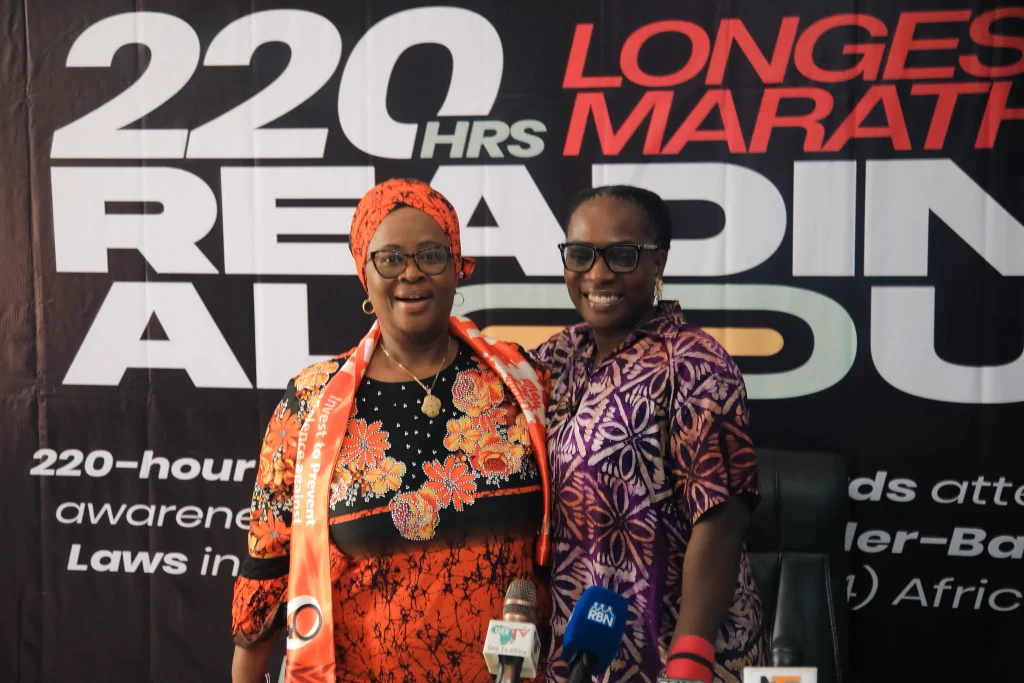
She explained that understanding these laws would help people recognise different forms of violence, understand the importance of consent and know where survivors can seek assistance.
“When we talk about ending sexual and gender-based violence, we often speak about statistics, policies and legislative reforms. But behind every statistic is a human story of a survivor seeking justice, a young girl dreaming of safety, and a community striving for dignity,” she said.
She also linked the initiative to Sustainable Development Goals 5, 4 and 16, which focus on gender equality, quality education, and peace, justice and strong institutions.
The UN Women representative called for collective efforts involving government, traditional and religious leaders, civil society organisations, the media, families, men and boys to challenge harmful practices and promote accountability.
She stressed that the success of the initiative should not be measured only by breaking a world record but by its ability to change attitudes and encourage action against violence.
Justice Ministry Calls For Stronger Institutional Response
Also speaking at the event, the Head of the Sexual and Gender-Based Violence Response Unit at the Federal Ministry of Justice, Yewande Gbola, said tackling SGBV requires continuous public education, effective institutional responses and improved access to justice.
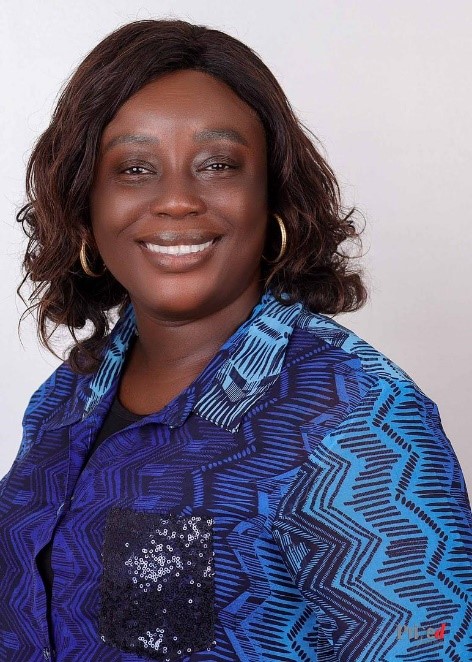
Yewande Gbola described the reading marathon as a significant advocacy effort, noting that its importance extended beyond the attempt to secure a Guinness World Record.
She commended Oluba for using the initiative to promote public understanding of laws addressing sexual and gender-based violence.
Yewande Gbola added that the Ministry, through its SGBV response units, was working to strengthen survivors’ access to justice, improve institutional responses and coordinate relevant stakeholders.
Women With Disabilities Seek Greater Protection
The Founder and President of the Network of Women with Disabilities, Lois Auta, called for the inclusion of women and girls with disabilities in efforts to prevent and respond to sexual and gender-based violence.
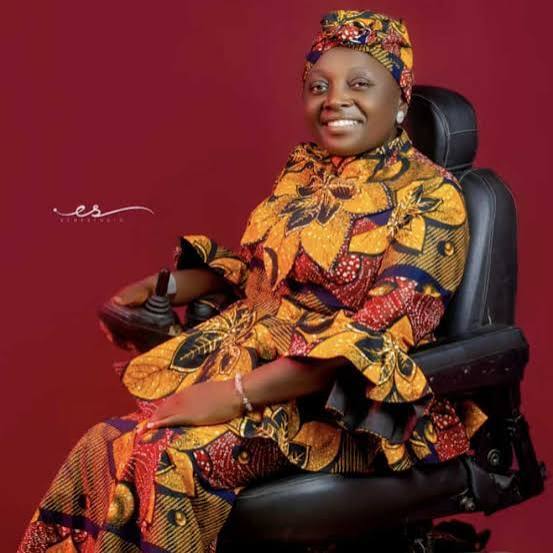
Lois Auta said women with disabilities who experience sexual violence often face additional barriers when seeking justice, including inaccessible police stations, the absence of sign language interpreters and medical information that is not available in Braille.
She stressed that these challenges make it difficult for some survivors to report abuse, access healthcare and pursue justice.
Lois Auta urged the government to adequately fund and enforce laws protecting women and persons with disabilities, particularly the Violence Against Persons (Prohibition) Act.
She also called for accessible police stations, hospitals and courts, alongside the provision of Braille materials and sign language interpretation.
According to her, women with disabilities must also be involved in decisions and policies that affect their safety and rights.



