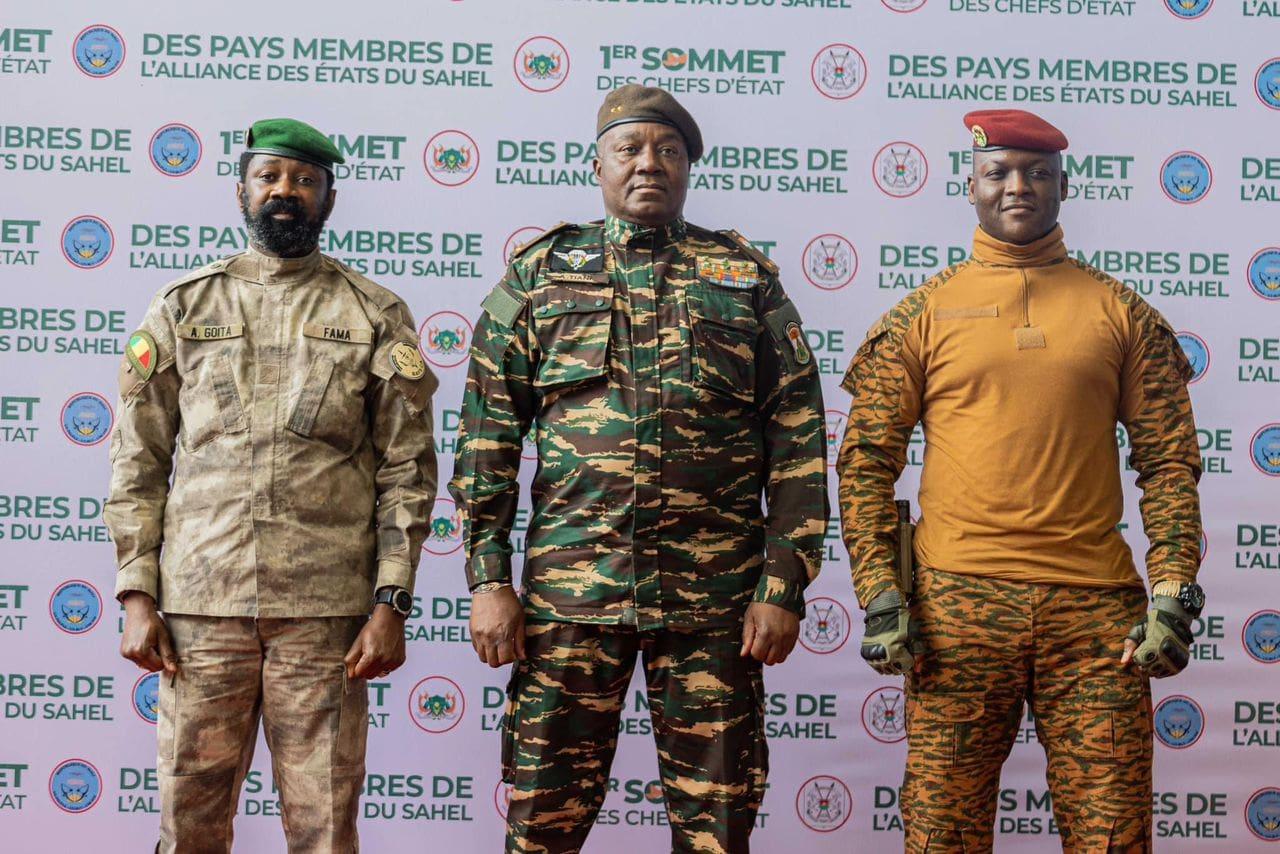

The Centre for Democracy and Development has raised fresh concerns over governance, security, and democratic backsliding in Mali, Burkina Faso, and Niger following recent military takeovers.
The non-governmental organisation made this known at the launch of its latest report titled “A Comparative Assessment of Post-Coup Governance in the Sahel”. The report examines how military-led administrations are reshaping resource governance, civil liberties, and regional cooperation under the Alliance of Sahel States (AES).
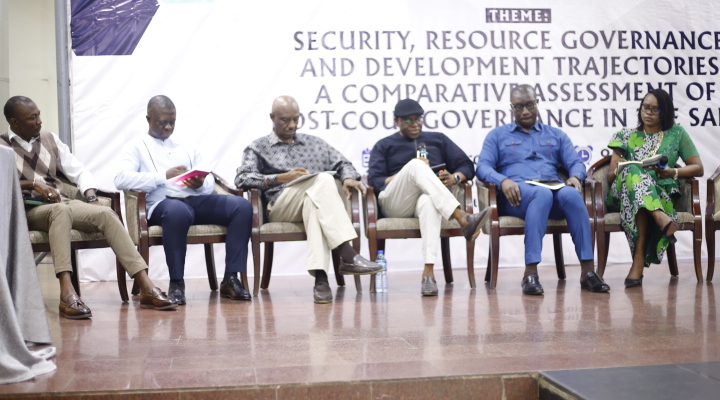
In a welcome remark address, CDD’s Director, Dr Dauda Garuba, described the report as a product of “invaluable effort” to provide a multi-dimensional assessment of post-coup security, resource governance, and development trajectories in the region.
He noted that the study interrogates how military governments influence resource allocation, civil liberties, and cross-border mobility while also analysing the legitimacy strategies deployed by AES governments.
Garuba added that the report builds on earlier CDD studies on military populism and the emergence of the AES bloc.
The findings show that while the AES alliance is pursuing deeper cooperation on security and economic sovereignty, outcomes remain uneven across the three countries, with persistent insecurity and governance challenges.
Also speaking, Prof Jibrin Ibrahim, the Chairman of the event, questioned the broader trajectory of democracy in West Africa, particularly under the influence of military regimes.
He said, “ECOWAS has, for two decades, focused on democracy protection and promotion. What has happened to that story of democracy, and how come non-democratic systems are having such a field day?”
Prof. Ibrahim, also a former Director of CDD, stressed that the crisis in the Sahel reflects deeper structural issues, noting that citizens lives and livelihoods depend on functional political and economic systems, and questioned why democratic legitimacy appears weaker in some countries compared to others like Ghana.
In a good will message representative of the Canadian High Commission, Colton Brydges, described the Sahel as the “epicenter of global terrorism,” noting that the region accounts for the majority of terrorism related deaths globally.
He said military governments came to power promising improved security, but so far, that promise has not been borne out .”
Briydge also highlighted the broader implications of the AES countries’ withdrawal from ECOWAS, including impacts on regional security coordination affecting countries like Nigeria.While acknowledging ongoing instability, he pointed to emerging efforts to strengthen regional cooperation, particularly involving coastal states, expressing cautious optimism about renewed security alliances.
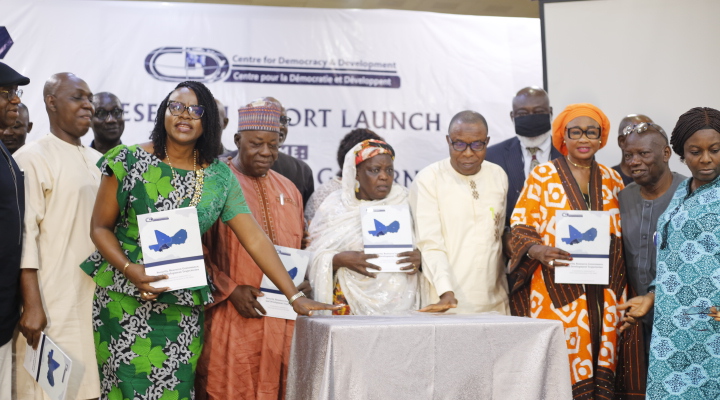
The event came to a close with the official unveiling of the report and a call to policy makers, civil society and g regional bodies to adopt a balanced and consistent approach to governance across West Africa.