
A newly presented education needs assessment report has exposed critical challenges undermining quality education at Akpa Community Secondary School in Allan Akpa, Otukpo Local Government Area. The report was unveiled on April 4, 2026, during the national conference of the Akweya Community Development Association (ACDA).
The findings paint a troubling picture of a school grappling with severe infrastructural decay, acute teacher shortages, poor learning resources, and declining academic performance.
Severe Infrastructure Deficits
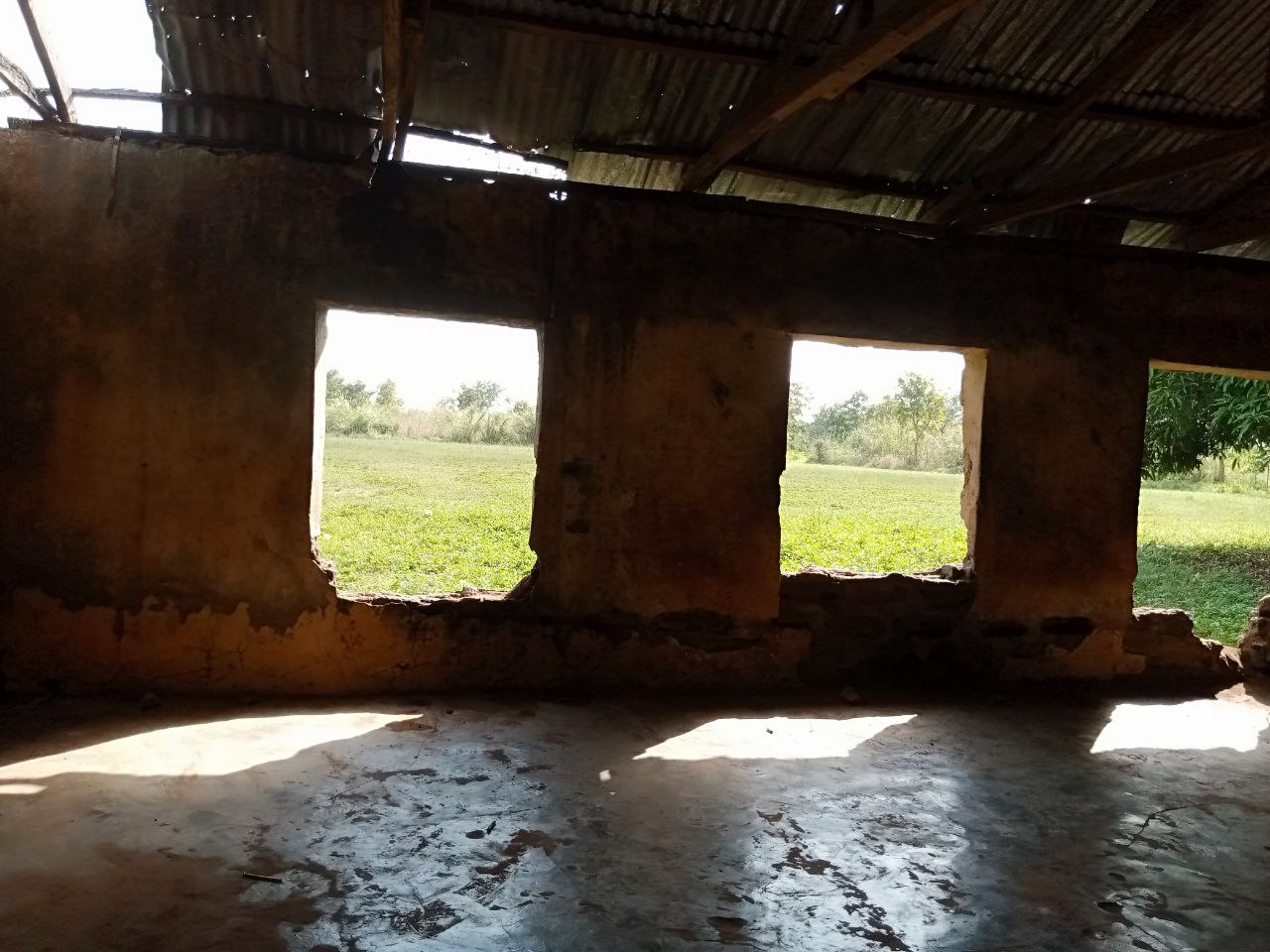
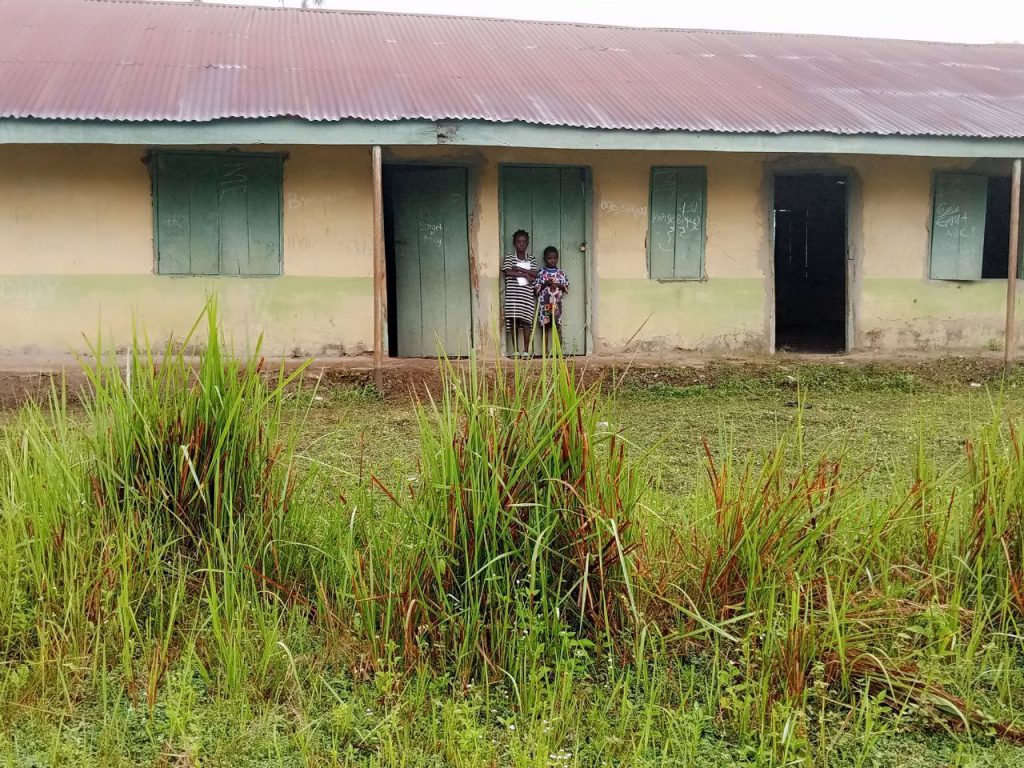
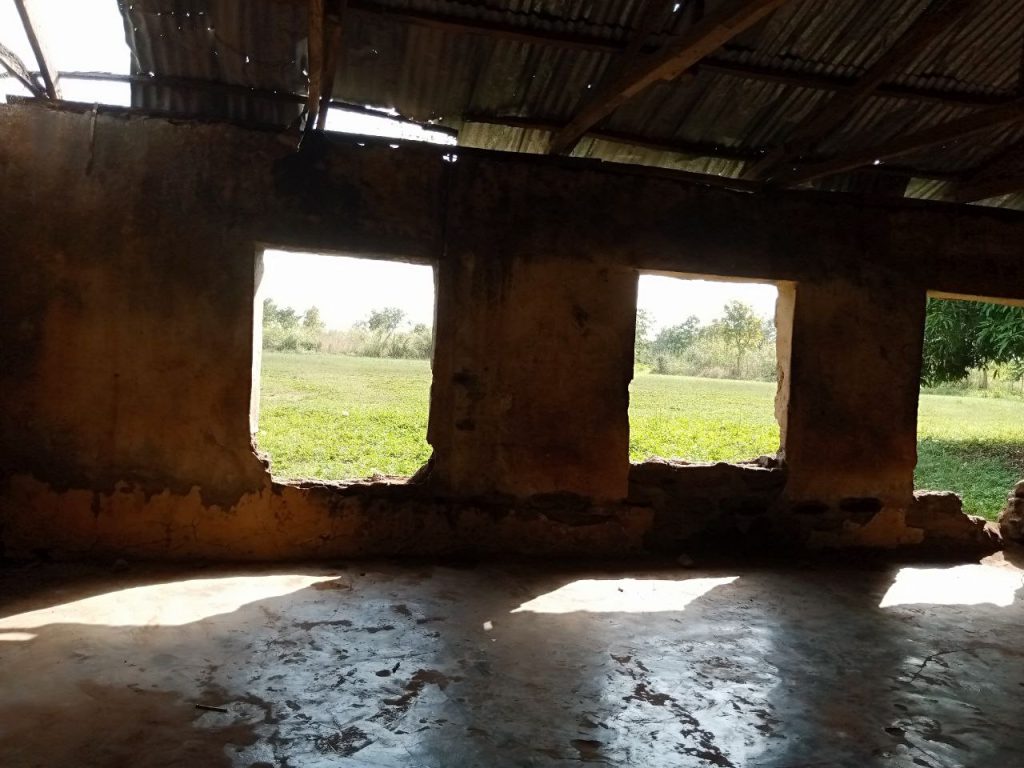
According to the report, the school environment is unsafe and unconducive for learning. The absence of a perimeter fence has left the school exposed to security risks, allowing students to leave the premises unchecked during school hours. Classrooms are described as dilapidated, with leaking roofs and cracked walls, while the library building is “almost collapsing”.
The committee also highlighted the lack of basic amenities, including potable water and functional toilets, forcing both students and staff to operate under harsh conditions.
Critical Shortage of Teachers
One of the most alarming findings is the shortage of qualified teachers across key subject areas. The school currently operates with only seven government-paid teachers and five PTA-paid teachers, leaving major gaps in both junior and senior secondary subjects such as English, Chemistry, Biology, ICT, and Government.
The report notes that this shortage has significantly affected curriculum delivery and students’ preparedness for external examinations like WAEC and NECO.
Poor Teacher Welfare and Training Gaps
Low remuneration was identified as a major factor driving teacher attrition. Seven PTA-paid teachers had previously disengaged due to poor pay, but they expressed a willingness to return if the school improves and consistently pays their salaries.
Beyond staffing, the report revealed a deeper systemic issue: many teachers lack exposure to modern teaching methods. Teaching remains largely “talk and chalk,” with minimal use of learner-centred approaches or instructional technology.
Most teachers, the committee found, have not undergone any professional training in over a decade, contributing to weak lesson delivery and poor alignment with current curriculum standards.
Learning Resources in Crisis
Students and teachers alike face a scarcity of up-to-date learning materials. Textbooks in use are outdated—some over 15 years old—while science laboratories lack basic equipment. The ICT lab is poorly equipped and largely non-functional.
Declining Academic Performance
Unsurprisingly, these challenges have translated into poor academic outcomes. The report indicates that many students perform below expected grade levels, with external examination results failing to reflect actual competence.
Community stakeholders also raised concerns about students obtaining exam passes they cannot defend academically.
Stakeholders Demand Urgent Action
During the assessment, stakeholders—including parents and the PTA—expressed frustration over what they described as neglect by ACDA, the school’s proprietor. They called for more consistent engagement and stronger oversight.
However, individual contributions by community figures were acknowledged, even as calls intensified for a more structured and institutional response.
Pathway to Recovery
The report outlines a series of urgent recommendations, including:
- Recruitment and re-engagement of qualified teachers
- Implementation of a ₦50,000 minimum monthly salary for teachers
- Immediate renovation of classrooms and the library
- Construction of a school fence and provision of security personnel
- Establishment of water and sanitation facilities
- Comprehensive teacher training on modern pedagogy
The committee warned that without swift and coordinated intervention, the school risks further decline in standards and community confidence.
A System at a Crossroads
In its conclusion, the committee described the school as being “at a critical crossroads,” stressing that education remains the most vital investment for the community’s future.
The presentation has now placed the responsibility squarely on ACDA and other stakeholders to act decisively and reverse the downward trend in educational quality at the institution.