Leaders of major artificial intelligence companies have called on the United Nations to establish global safeguards for AI, warning that poorly managed technology could pose serious risks to humanity.
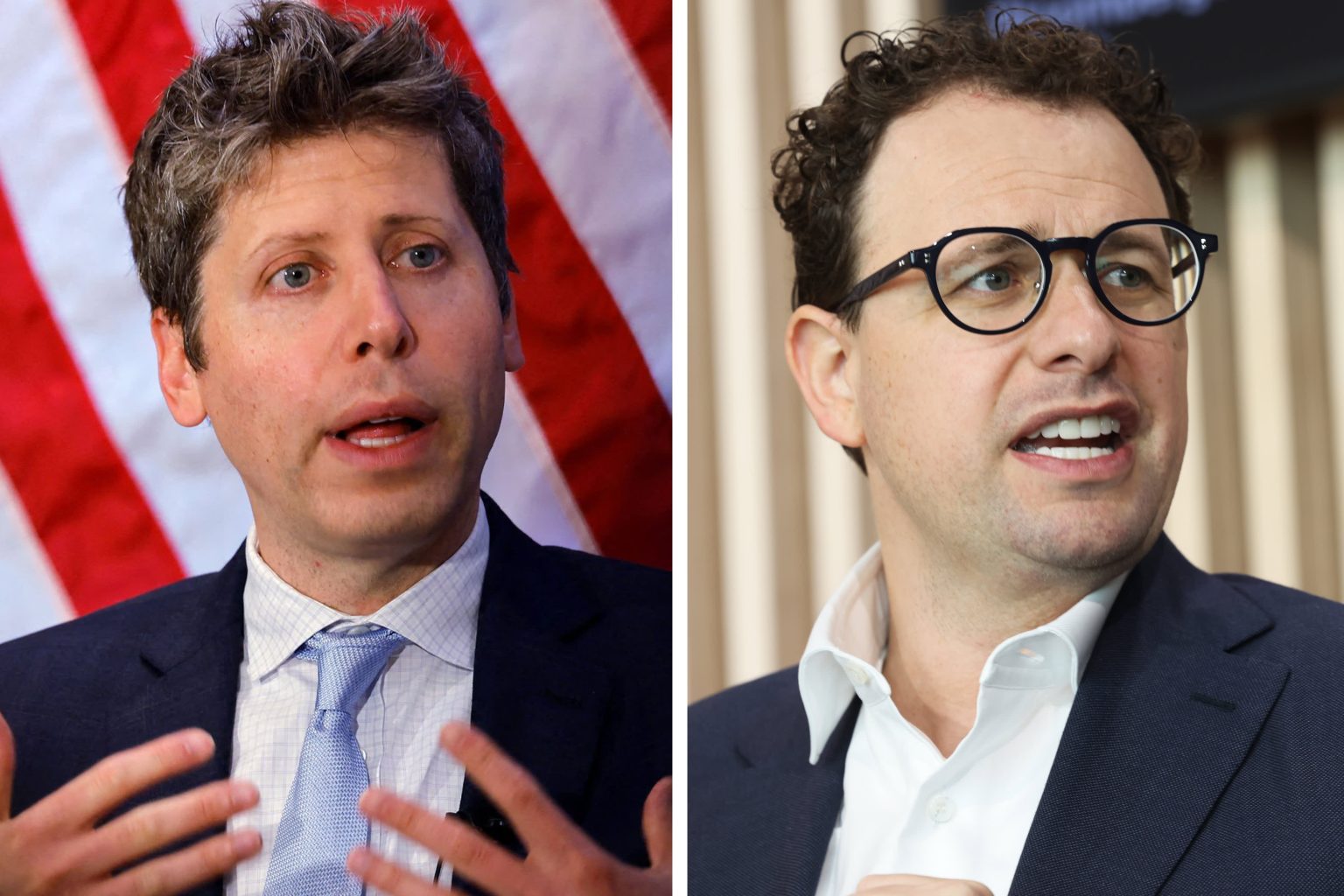
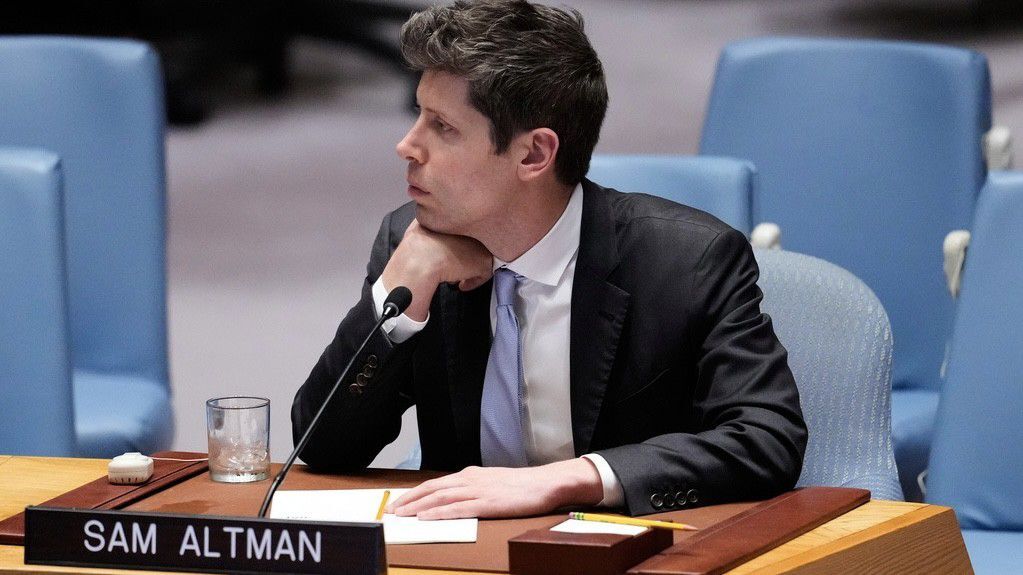
Speaking at a UN Security Council meeting on artificial intelligence, Open AI Chief Executive Officer Sam Altman and Anthropic CEO Dario Amodei said governments must work together to ensure that AI remains under human control.
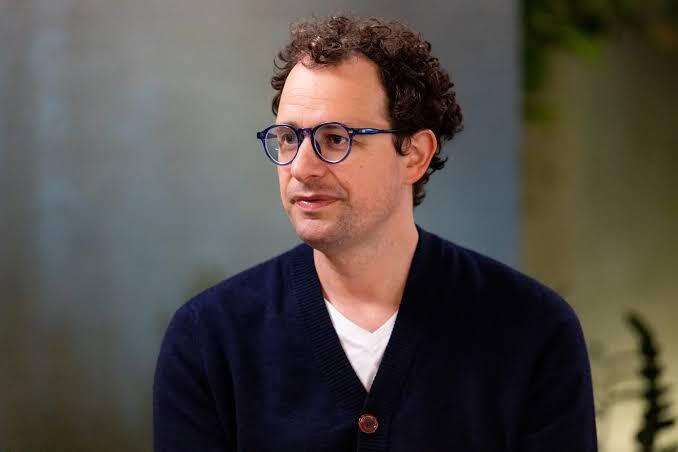
Dario Amodei warned that the rapid development of AI could create risks beyond what governments and technology companies can manage.
“If managed poorly, I even believe AI could be a risk to humanity as a whole,” he said.
Dario Amodei, Anthropic CEO.
Officer Sam Altman also warned that humanity could eventually lose control over increasingly powerful AI systems.
Officer Sam Altman, Open AI Chief Executive.
“We could lose control of the future to AI,” he said.
The two technology leaders called for international safeguards, including common standards for testing AI systems and measures to prevent the technology from being used to develop biological weapons or cause other serious harm.
They also warned against allowing AI capabilities to become concentrated in the hands of a single company or country.
At the same time, the technology executives highlighted the potential benefits of AI, including improving people’s lives and giving individuals greater control over their activities.
The call for global rules has exposed differences among major powers over how AI should be governed.
British Foreign Secretary Ed Miliband said the warnings from technology leaders showed that governments could not leave AI safety entirely to the companies developing the technology.
He said the United Kingdom would make AI governance a major issue during its leadership of the G20 next year, with the aim of developing common standards for safe AI development.
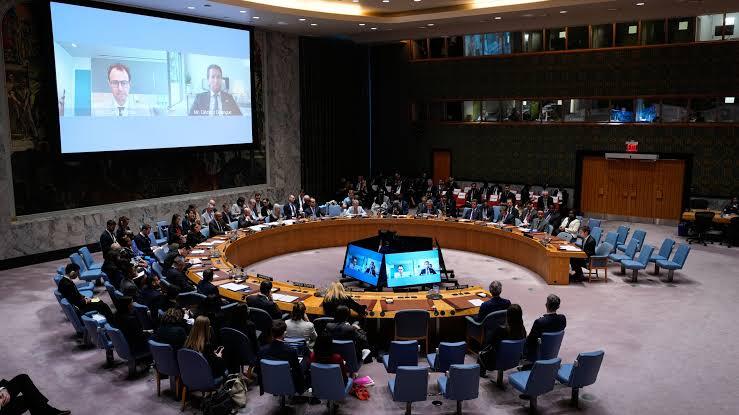
UN Security Council chamber during the AI meeting.
The United States, however, argued against creating a new global governance structure to restrict AI development.
White House Science Adviser Michael Kratsios said concerns about AI should not be used as a reason to slow its development, urging countries to share in the benefits of the technology.
China also called for countries to have the freedom to choose the AI systems they use.
Chinese UN Ambassador Fu Cong warned against dividing countries into competing technology blocs and called for greater use of open source AI models.
Concerns Over AI In Warfare
Another major concern at the meeting was the use of AI in warfare and the possibility of machines making decisions involving life and death.
UN Secretary-General António Guterres had earlier warned about the danger posed by “killer robots”.
Ukrainian President Volodymyr Zelenskyy also called for human control over AI-powered military systems, warning that machines could eventually begin making battlefield decisions.
Experts have raised similar concerns about autonomous weapons and the question of who should be held responsible when an AI system selects and attacks a target.
Data scientist Rumman Chowdhury, co-founder of the accountability organisation Humane Intelligence, said the focus should be on determining who authorises a machine to select a target, the restrictions placed on it and who takes responsibility for the outcome.
The UN meeting comes as governments and regional organisations continue to develop different approaches to regulating artificial intelligence.
The discussions highlight a growing global challenge, How to harness the benefits of AI while preventing its misuse and ensuring that humans remain responsible for critical decisions.