
For many people around the world, the name Lassa immediately brings to mind Lassa fever. But behind the name is a town with a long history, a distinct culture and a people whose journey was shaped by migration, conflict, survival and the search for a permanent home.
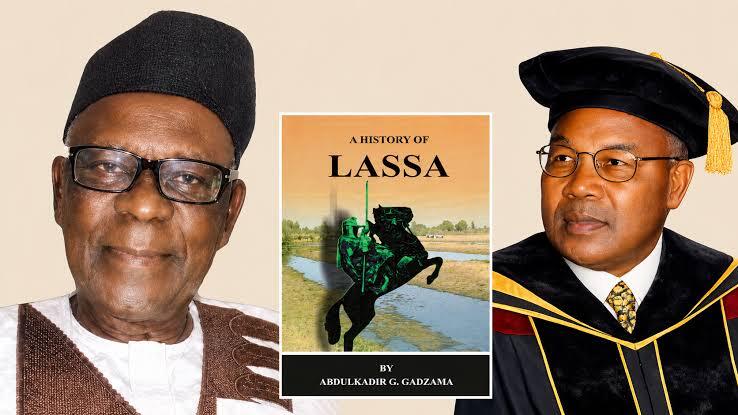
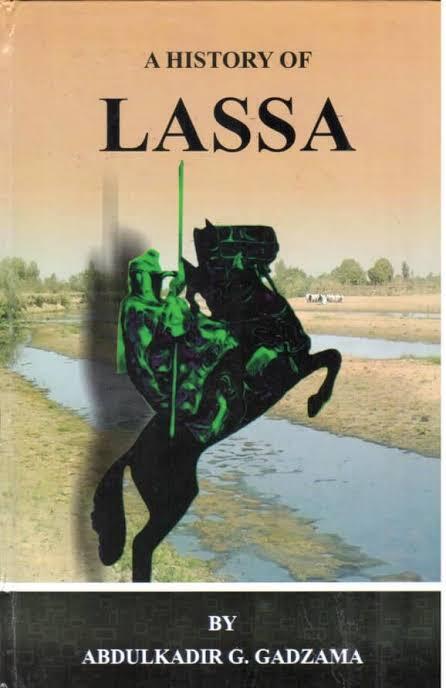
This lesser known story is explored in Abdulkadir Gambo Gadzama’s 2018 book, A History of Lassa, reviewed by historian and folklorist Dr. Bukar Usman.
The 27-chapter book documents the history of Lassa and the Margi people, particularly the Gadzama clan, while examining the traditions, language, leadership and changes that have shaped the community over the years.
- 4Breath4Life Targets 10,000 Healthcare Providers In Nationwide Training Drive
- HBBA Seeks Justice Reforms To Protect Religious Rights
- NGO Calls for Whistleblower Protection Laws
- Beyond Lassa Fever Bukar Usman Uncovers The Story Of Lassa
- FG Opens Doors for Youths Through Skills Programme
The Long Journey To Find A Home
According to Bukar Usman’s review, Abdulkadir Gambo Gadzama traces the history of the Gadzama or Mingi clan to movements into the Borno region around 1250 AD.
The Margi people were spread across parts of present day Borno and Adamawa, as well as Cameroon and Chad. Their history included periods of conflict, slave raids, banditry and military campaigns that forced some communities to move from their ancestral settlements.
The Gadzama clan eventually travelled south in search of a safer and more suitable place to settle. Their journey took them through Dilli, before they continued their search for a permanent home.
That journey eventually led them to the area that became Lassa.
The Story Behind Lassa’s Name
One of the interesting accounts in the book concerns the origin of the name Lassa.
Abdulkadir Gambo Gadzama recounts that when a group left Dilli in search of a new settlement, an elder, Abana Tami Abau-kumi, warned them about the risks of venturing into an unfamiliar area.
The expression “la sa”, associated with the danger of going somewhere and getting lost, later became linked to the settlement. British colonial administrators subsequently rendered the name as Lassa.
The settlement was established in 1904, after an expedition led by Dzarma Abana Yelima Gadzama found fertile land, including standing guinea corn and evidence of fertile soil.
Its proximity to the River Yedzaram also contributed to the attraction of the area.

For a people who had spent years moving from one place to another, Lassa offered the possibility of stability.
From Small Settlement to Growing Town
Abdulkadir Gambo Gadzama’s account shows how Lassa developed from a small settlement into a larger community.
The book also traces the development of the Ptil, the traditional title of the Margi king. The traditional institution was officially recognised in 1911 during the colonial period and went through various changes over the years.
The community also experienced the influence of missionaries.
The Church of the Brethren Mission reached Lassa in 1928, following its earlier activities in Garkida and Dilli. According to the book, the missionaries contributed to the development of education, healthcare, agriculture and craftsmanship in the area.
Abdulkadir Gambo Gadzama also records the contributions of early teachers, health workers and other members of the community.
The book’s appendices identify 51 early Margi people recognised for exceptional service and document properties in Lassa that were destroyed during the Boko Haram insurgency in December 2014.
When Lassa Became Known For A Disease
The history of Lassa took an unexpected turn in 1969, when the name became associated with a disease that would eventually be known around the world as Lassa fever.
A foreign missionary nurse who had become seriously ill was taken to Jos, where she later died. The case was investigated by Dr. Jordi Casals-Ariet, who identified the virus responsible.
The virus was named Lassa, after the town associated with the case.
While the discovery became an important development in medical science, it also meant that the name of a community with a much older history became internationally associated with a deadly disease.
This issue receives particular attention in Bukar Usman’s review.
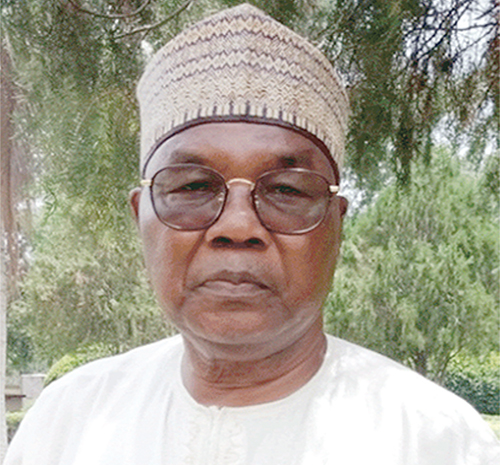
He notes that several diseases and viruses have been named after geographical locations and argues that such naming can sometimes have consequences for the communities whose names are used.
For Lassa, the result has been that a town known for its history and culture is often introduced to the world primarily through the disease that bears its name.
Protecting A Changing Culture
Beyond its historical account, A History of Lassa examines the cultural changes taking place within the community.
Bukar Usman highlights concerns about traditional practices, festivals, language, marriage, burial customs and other aspects of Margi culture that have changed under the influence of religion, education, migration and modernisation.
One tradition discussed in the book is the Yawal Festival, an annual cultural event that gradually lost prominence.

Abdulkadir Gambo Gadzama proposes reviving Yawal as a cultural celebration and recognising it as an annual Founders Day.
The book also raises concern over the future of the Margi language, urging younger generations to learn and speak it so that indigenous knowledge and vocabulary are not lost.
For Abdulkadir Gambo Gadzama, preserving a language is also a way of preserving the history and identity of the people who speak it.
More Than A Historical Record
The book does not limit itself to events of the past. Abdulkadir Gambo Gadzama also draws attention to the development needs of Lassa, including education, healthcare, roads, water, electricity, markets and local industries.
This gives A History of Lassa a wider purpose. It is not only about where the people came from, but also about the challenges facing the community and what is needed to sustain its future.
For Bukar Usman, the book demonstrates why communities need to document their own histories before important memories, traditions and indigenous knowledge disappear.
“Every community has a history that defines what it is, who the inhabitants are, as well as what potentials it holds,” Bukar Usman writes.
A Story Beyond Lassa Fever
At its heart, A History of Lassa tells the story of a people who moved through difficult periods, searched for a place to call home and eventually built a community around their culture and traditions.
It also presents a town whose identity became unexpectedly linked to one of the world’s better known viral diseases.
Dr. Bukar Usman’s review brings attention to the other Lassa, the Lassa of migration, tradition, leadership, language and community life.
For more stories, news and updates, visit: https://www.akweyatv.com/