

By: Barnabas Benedict
What if the secret to making people trust a brand is not a bigger advertisement, a longer press release, or a louder campaign—but simply letting them see the people behind it?
That is the surprising power of video.
A camera does more than capture moments. It can change how people feel about an organisation.
In today’s fast-moving world, where attention can disappear within seconds, organisations are discovering that simply telling people what they do is no longer enough. People want to see the story, meet the people, experience the emotion, and understand the purpose behind the brand.
This is why video has become such a powerful tool in public relations and communication.
Instead of depending entirely on newspapers, radio, television, press releases, and written statements, organisations can now use video to introduce their people, showcase their work, explain their values, celebrate their achievements, and connect directly with audiences.
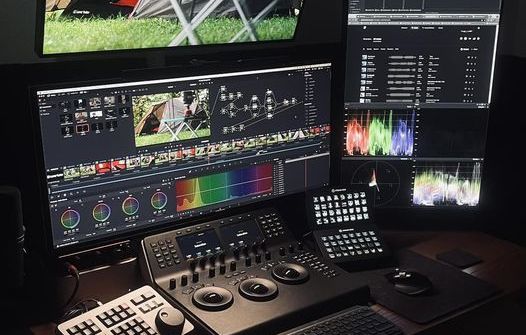
Michelle Carvill and David Taylor, in their book The Business of Being Social, highlight the growing importance of video in communication and marketing. While modern technology makes it possible for almost anyone to record a video, creating content that is truly professional and effective requires more than simply pressing the record button.
Taking a photograph may be easy, but producing a world-class photograph like the work of Annie Leibovitz requires skill, creativity, experience, and an understanding of visual storytelling.
Video is no different.
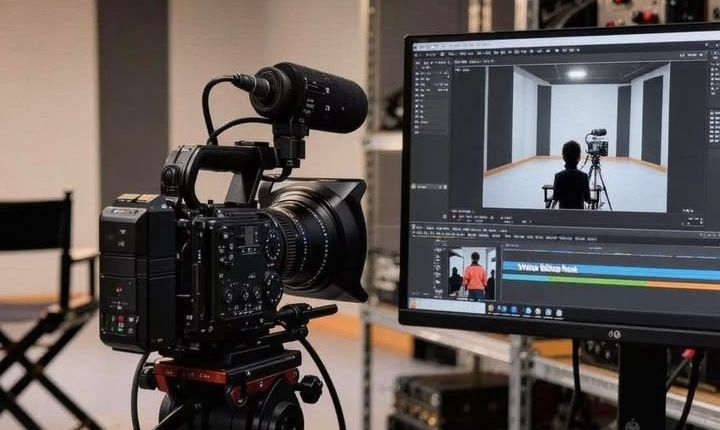
A powerful video is not simply about pointing a camera at an event. It involves storytelling, composition, lighting, sound, editing, timing, graphics, music, captions, and—most importantly—an understanding of the audience and the organisation’s message.
This is where media production becomes extremely valuable to public relations.
The Moment a Brand Becomes Human
One of the most powerful purposes of video is to humanise a brand.
Think about it.
A logo cannot smile.
A company name cannot shake your hand.
A corporate statement cannot always communicate emotion.
But people can.
Video allows audiences to see the employees, customers, leaders, communities, environments, challenges, successes, and everyday moments that exist behind an organisation.
Suddenly, a company is no longer just a name on a screen.
It becomes a story.
And stories are what people remember.
Seven Powerful Roles of Media in Public Relations
- Communicating the Brand’s Message
Media teams help organisations communicate their ideas, activities, products, services, achievements, and values in ways that audiences can easily understand.
A well-produced video can take a complex message and turn it into something clear, engaging, and memorable.
- Building and Protecting Brand Image
Every piece of content contributes to public perception.
Professional video production, consistent visuals, quality sound, and thoughtful storytelling can strengthen an organisation’s credibility and create a positive public image.
- Humanising the Brand
This is where video becomes especially powerful.
Employee interviews, customer experiences, behind-the-scenes footage, community projects, celebrations, and everyday activities can reveal the people behind an organisation.
The audience does not just see a brand—they see human beings.
And that can make the organisation feel more authentic, approachable, and relatable.
- Creating Public Awareness
Media teams can create compelling content around campaigns, events, announcements, products, services, and organisational activities.
When the message is presented through engaging visuals and storytelling, people are more likely to notice it, remember it, and share it.
- Managing Public Perception
When an organisation faces controversy, a crisis, or an important public issue, video can provide an opportunity to communicate directly with audiences.
A carefully produced video can help explain a situation, clarify information, present the organisation’s position, and reduce misunderstanding.
- Creating Engaging Content
Great media production transforms ordinary information into compelling stories.
Through editing, graphics, music, captions, interviews, animation, creative visuals, and strong storytelling, media teams can encourage audiences to stop scrolling, watch, think, comment, and share.
- Documenting Organisational Activities
Not every video is created for immediate public consumption.
Media teams also preserve important events, interviews, campaigns, projects, achievements, and milestones.

Years later, these recordings can become valuable organisational archives that tell the story of where the organisation came from and how far it has travelled.
Eight Amazing Advantages of Video in Humanising a Brand
- It Builds Trust
When people see real employees, customers, projects, and experiences, an organisation can feel more open and authentic.
People tend to connect more easily with what they can see and experience.
- It Creates Emotional Connection
Video combines images, voices, facial expressions, music, sound, and storytelling.
Together, these elements can create emotions that written words alone may struggle to produce.
A powerful story can make an audience laugh, smile, feel inspired, or even become emotionally invested in the organisation.
- It Makes the Brand Relatable
Showing the people behind the organisation gives audiences an opportunity to see its human side.
Employees stop being just staff members.
Customers stop being statistics.
And the organisation stops feeling like a distant corporate entity.
It becomes relatable.

- It Increases Engagement
Video fits naturally into today’s digital environment.
Whether shared on YouTube, Instagram, TikTok, Facebook, television, or an organisation’s website, engaging video can encourage people to watch, react, comment, discuss, and share.
- It Strengthens Brand Identity
Consistent colours, graphics, language, visual styles, editing techniques, music, and storytelling can make an organisation instantly recognisable.
Over time, these elements help audiences remember the brand.
- It Makes Complex Ideas Easier to Understand
Some ideas are difficult to explain with words alone.
Video can demonstrate processes, show real-life examples, feature interviews, use graphics, and visually break down complicated information.
Sometimes, seeing is simply better than reading.
- It Expands Reach
One professionally produced video can travel far beyond its original audience.
The same content can be adapted and shared across YouTube, Instagram, TikTok, Facebook, television, websites, presentations, and other communication channels.
A single story can therefore reach thousands—or potentially millions—of people.
- It Supports Reputation
Consistent and responsible video communication gives organisations an opportunity to showcase their work, celebrate achievements, address concerns, clarify information, and maintain meaningful relationships with the public.
The Real Power of the Camera
Ultimately, video gives public relations professionals much more than another way to advertise.
It gives organisations a face.
It gives employees a voice.
It gives customers a story.
And it gives audiences an opportunity to see the human beings behind the brand.
That may be the greatest power of video.
- INEC Targets Safer, Smoother 2027 Elections
- Nigeria Plans Power-Telecom Integration to Boost Rural Connectivity
- Gospel Singer Toluwanisings Dies At 41
- Nigerian Authors Set For 45th International Convention In Abuja
- African Spoken Word Contest Opens New Doors
In a world where organisations are constantly competing for attention, the brands that stand out may not necessarily be the ones that speak the loudest.
They may be the ones that connect the deepest.
When video is produced professionally and used strategically, communication can move beyond simply delivering information.
It can create trust.
It can create emotion.
It can create relationships.
And, most importantly, it can transform a brand from something people simply recognise into something they genuinely know, understand, trust, and remember.