

Plateau State’s latest wave of violence has again exposed the devastating consequences of security gaps in communities already struggling with years of mistrust and attacks. The killings involving passengers, farmers, herders and market communities show why a stronger and more preventive security strategy is urgently required.
The incidents occurred across several Local Government Areas, including Jos South, Mangu and Riyom, despite renewed federal attention to the state. Inspector General of Police Olatunji Disu visited Plateau about a fortnight before the latest attacks, meeting security officials and stakeholders and promising stronger action.
In Dungus community, Jos South, suspected gunmen ambushed nine passengers travelling towards Jos at approximately 9:40 p.m. Several were killed, while others were wounded. A member of Operation Rainbow was among those killed.
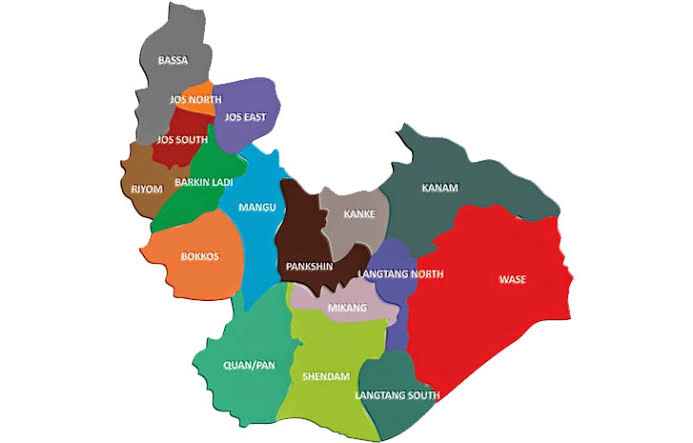
In Mangu, two people were killed during an attack on Vodni community in Pushit District, while four others sustained gunshot injuries. Another attack in Tahoos, Riyom, left two people dead.
The violence also affected Fulani herders in Aloghom Sabon Gari, Mangu, where three teenagers — Garzali Shaibu, 18, Bashiru Yakubu, 14, and Salim Abubakar, 15 — were allegedly killed while tending cattle. Community representatives reported that about 50 cattle were also killed and several herders were missing.
These incidents point to several measures that could strengthen Plateau’s security response.
First, intelligence gathering must become more reliable. Security agencies need stronger relationships with communities capable of providing early warnings.
Second, rapid-response units should be positioned close enough to vulnerable rural communities to respond before attackers disappear.
Third, dormant security facilities should be restored. Deputy Governor Josephine Piyo specifically urged the reactivation of the Mobile Police barracks in Gashish.
Fourth, security deployment should reflect the locations repeatedly affected by violence, particularly Barkin Ladi, Riyom and Bokkos.

Fifth, agencies must improve real-time information sharing. Attacks occurring across multiple Local Government Areas within short periods require coordinated intelligence rather than isolated responses.
Sixth, investigations must go beyond individual arrests. Authorities need to establish who organised attacks, how weapons and logistics were obtained, and whether separate incidents are connected.
Seventh, community trust must become central to policing. IGP Disu said increased confidence among residents had contributed to arrests, demonstrating the importance of information from local communities.
Eighth, joint operations between security agencies should place greater emphasis on prevention rather than simply responding after lives and property have already been lost.
- Lions Club Creates Joy Through Better Sanitation
- CLEEN Unveils A Safer Election Future
- My Internship Journey Changed Everything
- Ten Security Measures Plateau Urgently Needs
- DEVELOPMENT INSIGHTS MORNING BRIEF, 23 SEPTEMBER 2026
Ninth, vulnerable markets, farms, roads and rural settlements require targeted protection based on documented patterns of previous attacks.
Tenth, authorities need sustained accountability. Security promises should be followed by measurable improvements that communities can see and experience.
IGP Disu said the Police were committed to finding a lasting solution and strengthening cooperation with the Plateau State Government and other stakeholders. The state government, meanwhile, has established a control centre in Jos as part of its security response.
The urgency is difficult to ignore. Repeated attacks have left families grieving, disrupted livelihoods and deepened mistrust between communities. Markets, farms and roads cannot function normally when residents fear becoming the next victims.
Plateau’s security crisis is complex, and no single deployment or agency can resolve it. But the continuing deaths demonstrate why prevention, intelligence, accountability and community cooperation must become permanent pillars of the response.
The ultimate test is simple: can residents travel, farm, trade and return home safely? Until that becomes a dependable reality, every new security promise will be measured against the painful memory of those already lost.