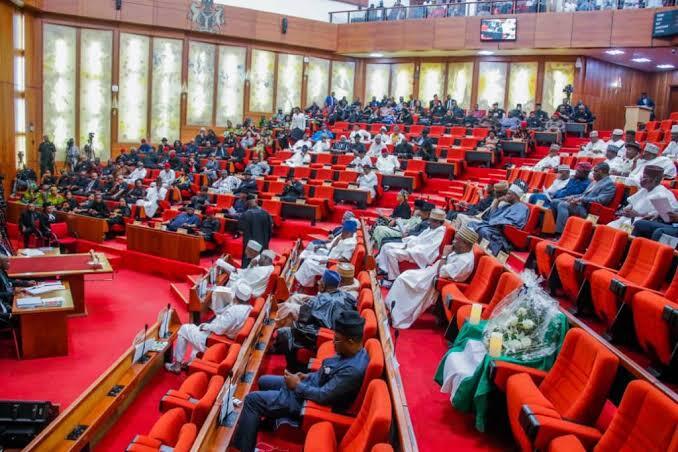

The Nigerian Senate has passed for second reading a bill seeking to penalise hospitals and healthcare workers who delay or refuse to provide emergency medical treatment to patients.
The proposed amendment to the National Health Act, 2014, recommends a six month jail term or a fine of up to ₦300,000 for healthcare providers who fail to comply with the stipulated emergency treatment standards.
The bill, sponsored by Senator Abdulaziz Yar’adua, representing Katsina Central Senatorial District, was passed during Wednesday’s plenary after receiving support from a majority of senators through a voice vote.
Following its passage, Senate President Godswill Akpabio referred the bill to the Senate Committee on Tertiary and Primary Health for further legislative consideration and a public hearing.
Titled A Bill for an Act to Amend the National Health Act, 2014 to Provide for Emergency Medical Treatment Standards and Referral Protocols in Healthcare Facilities and for Related Matters, the proposed legislation seeks to establish clear guidelines for hospitals and healthcare professionals handling medical emergencies.
- Aligbor: The Royal Maidens Who Must Run Naked to the Stream for Seven Days
- DEVELOPMENT INSIGHTS MORNING BRIEF 6 NOVEMBER, 2026
- Senate Proposes Jail Term For Doctors Over Delayed Emergency Care
- NSUK Remembers Francis Duru As An Icon And Father Figure
- Mairo Ibrahim Champions Inclusive Governance Through Tunani Initiative
Proposed 15-Minute Treatment Requirement
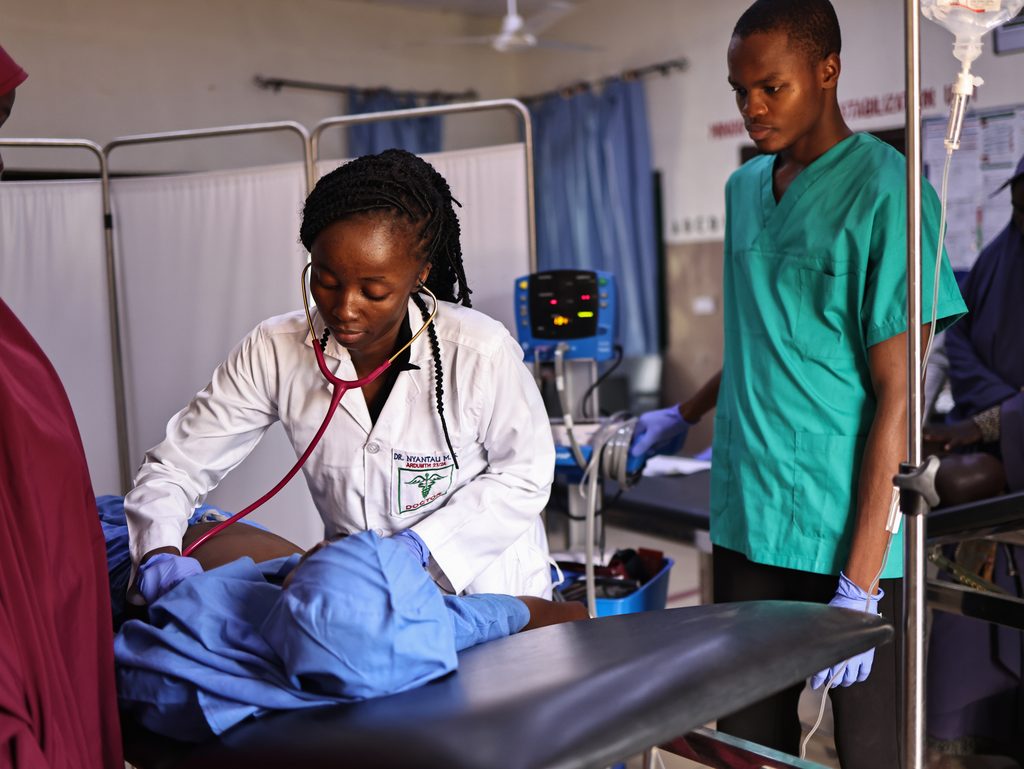
One of the major provisions of the bill is a requirement for hospitals to commence emergency treatment within 15 minutes of a patient’s arrival.
It also proposes that hospitals and healthcare workers begin basic stabilisation procedures within 30 minutes. These include administering oxygen, intravenous fluids and pain relief, as well as conducting preliminary diagnostic assessments.
Leading the debate on the bill, Senator Yar’adua explained that where a licensed medical doctor is unavailable, a trained and certified nurse should be allowed to conduct the initial assessment and begin appropriate emergency care.

The legislation also provides for immediate life saving interventions, including cardiopulmonary resuscitation (CPR), airway management and bleeding control, once a life threatening condition is identified.
Under the proposed amendment, hospitals would be prohibited from turning away patients requiring emergency medical attention, regardless of their circumstances.
Referral And Admission Procedures
The bill also outlines timelines for admitting and transferring patients who require further medical attention.
For patients who need hospital admission, a bed should be assigned within two hours of arrival, provided one is available.
Where a hospital lacks the facilities or capacity to manage an emergency case, it would be required to begin resuscitation and stabilisation immediately before arranging a referral.
The referral process must commence within two hours of the patient’s arrival or as soon as the patient has been assessed and considered stable for transfer, whichever comes first.
The proposed legislation further requires that the transfer be completed within three hours of arrival, except where circumstances such as transportation challenges, insecurity or natural conditions make this impossible.
To prevent unnecessary delays, hospitals would also be expected to dispatch an ambulance or arrange alternative transportation within 30 minutes of deciding to refer a patient.
However, the bill recognises that some healthcare facilities may lack the resources to meet these requirements. It proposes protection for medical practitioners who properly document such limitations, follow the prescribed referral procedures and report the circumstances to hospital management or the relevant authorities.
Previous Cases Of Patients Dying After Emergency Treatment Delays
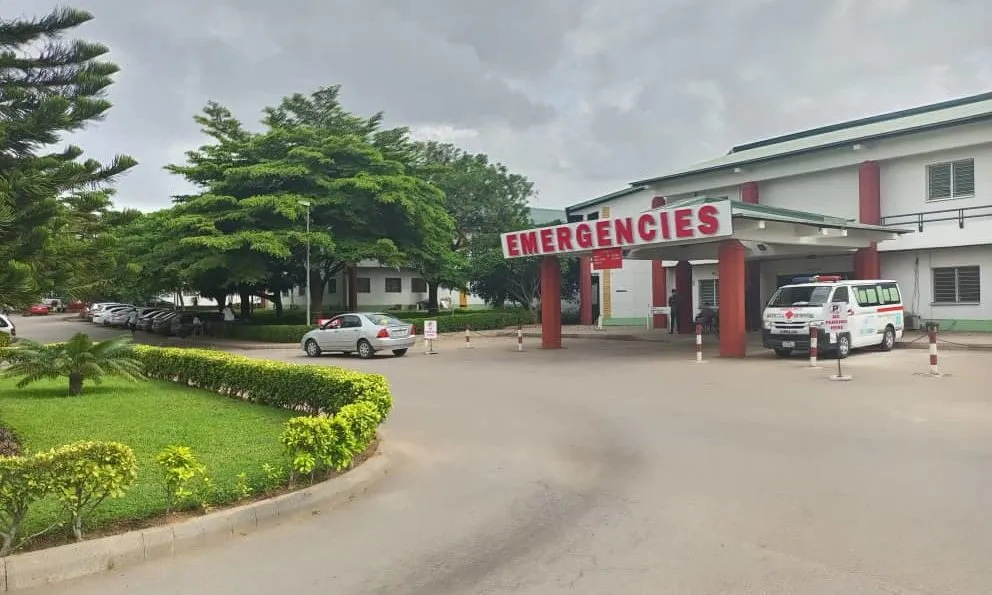
The proposed amendment comes amid longstanding concerns over cases of patients who reportedly died after being denied or delayed emergency medical attention in Nigerian hospitals.
Some of these incidents have involved victims of armed robbery, stabbing attacks and road accidents who allegedly encountered administrative or other barriers while seeking urgent medical care.
In September 2009, Bayo Ohu, a journalist with The Guardian, was shot by armed men who invaded his home in Lagos. Reports indicated that he was denied treatment at a hospital because his relatives could not provide a police report. He later died while being transported to another medical facility.
In November 2019, Moradeun Balogun, a 29 year old podcast host, was reportedly stabbed by armed robbers in Lagos. She was allegedly denied treatment at a hospital for not having a police report. She was subsequently taken to another facility, where she died.
Another case involved Ebenezer Ayeni, an Ibadan based music producer who was shot by armed robbers shortly before his wedding in 2021. According to reports, he was taken to the University College Hospital and J-Rapha Hospital, where he allegedly encountered difficulties receiving treatment because of the absence of a police report. He died about four hours after the shooting.

There have also been reports of patients dying after being turned away from hospitals because of inadequate bed space. One such incident involved an unidentified boy who was among victims of a road accident along the Bauchi-Jos Highway. He reportedly died after being denied treatment at the Abubakar Tafawa Balewa University Teaching Hospital in Bauchi. The hospital subsequently established a committee to investigate the incident.
These incidents have continued to raise questions about the enforcement of existing laws on emergency medical care and the responsibility of healthcare facilities to attend to patients in critical conditions.
Although the National Health Act, 2014, already provides for emergency medical treatment, concerns over alleged refusals and delays have highlighted the need for stronger implementation and accountability.
If passed into law, the proposed amendment would introduce clearer timelines for emergency treatment, patient stabilisation, admission and referral, alongside penalties for healthcare providers who fail to meet the requirements.