
The way leaders are portrayed in the media can influence how the public understands their work, their abilities and even their place in society.
For women in leadership, this raises an important question: when women make the news, what exactly becomes the story?
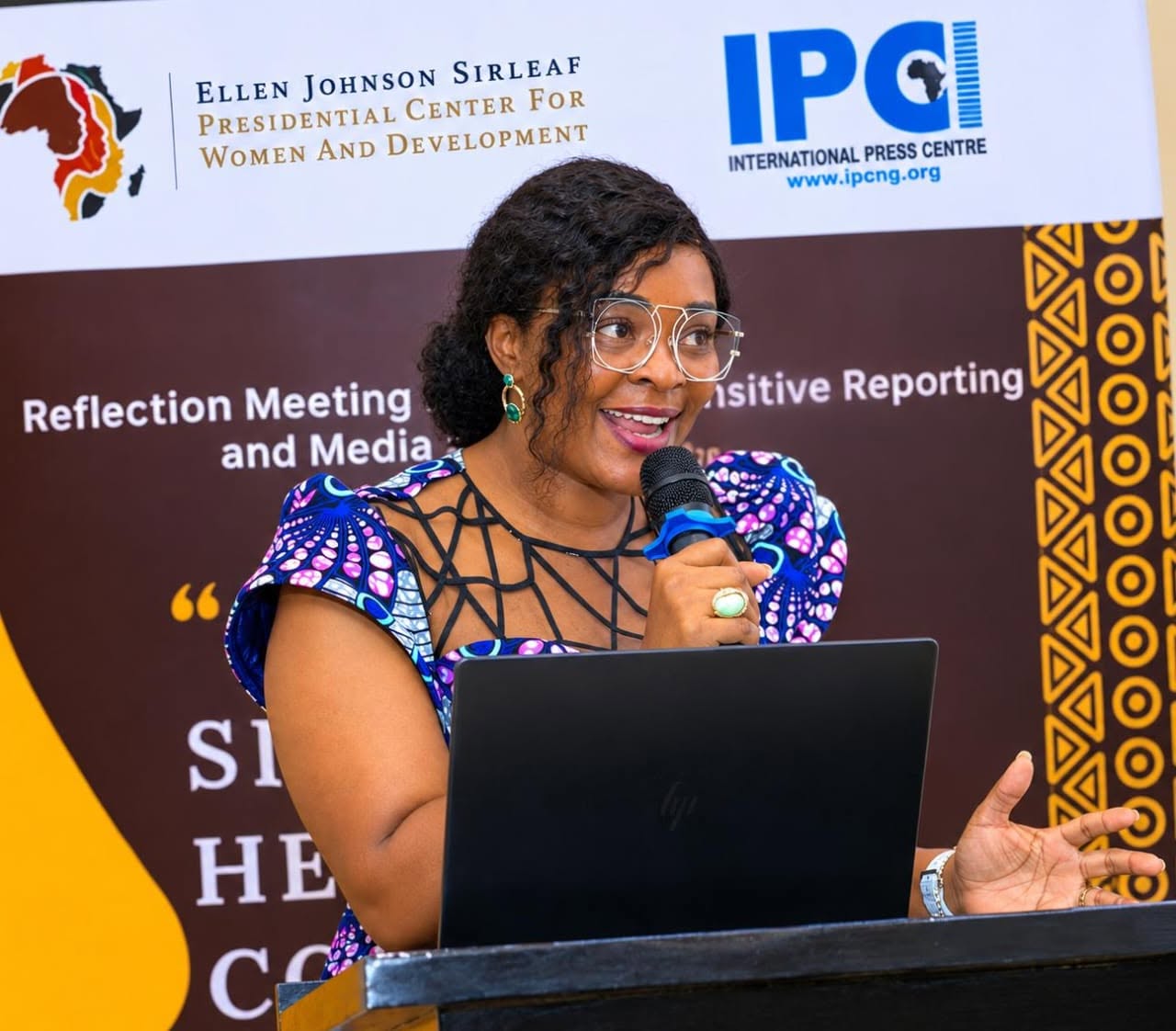
This question was recently examined in Lagos, where media professionals and gender experts discussed how women leaders are seen, heard and covered by the media.
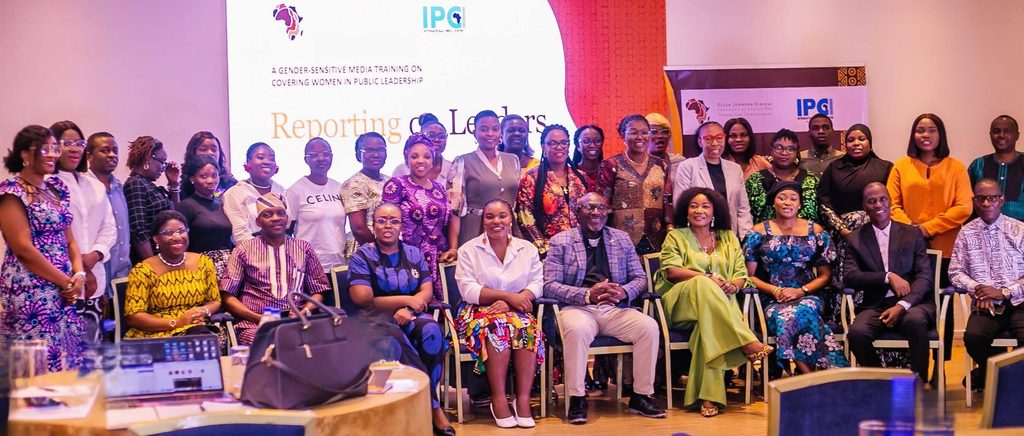
The conversation, organised by the Ellen Johnson Sirleaf Presidential Center for Women and Development (EJS Center) and the International Press Centre (IPC), focused on the need for more thoughtful and balanced reporting of women in leadership.
The discussion highlighted that increasing the number of stories about women is only part of the issue. The quality and focus of those stories also matter.
Women leaders can be assessed through their decisions, achievements, policies and impact. However, media coverage can sometimes give attention to personal issues such as appearance, marital status, family life or other details that may have little to do with their responsibilities as leaders.
- 4Breath4Life Targets 10,000 Healthcare Providers In Nationwide Training Drive
- HBBA Seeks Justice Reforms To Protect Religious Rights
- NGO Calls for Whistleblower Protection Laws
- Beyond Lassa Fever Bukar Usman Uncovers The Story Of Lassa
- FG Opens Doors for Youths Through Skills Programme
Communication Officer of the EJS Center, Noella Ngunyam, stressed that gender-sensitive reporting does not mean protecting women leaders from scrutiny. Rather, it involves giving proper attention to their competence, responsibilities and performance while maintaining journalistic accountability.
The discussion also pointed to the importance of women leaders communicating their work effectively. Executive Director of the International Press Centre, Lanre Arogundade, noted that women in leadership must make their work accessible to journalists, while the media continues to ask questions about their performance and accountability.
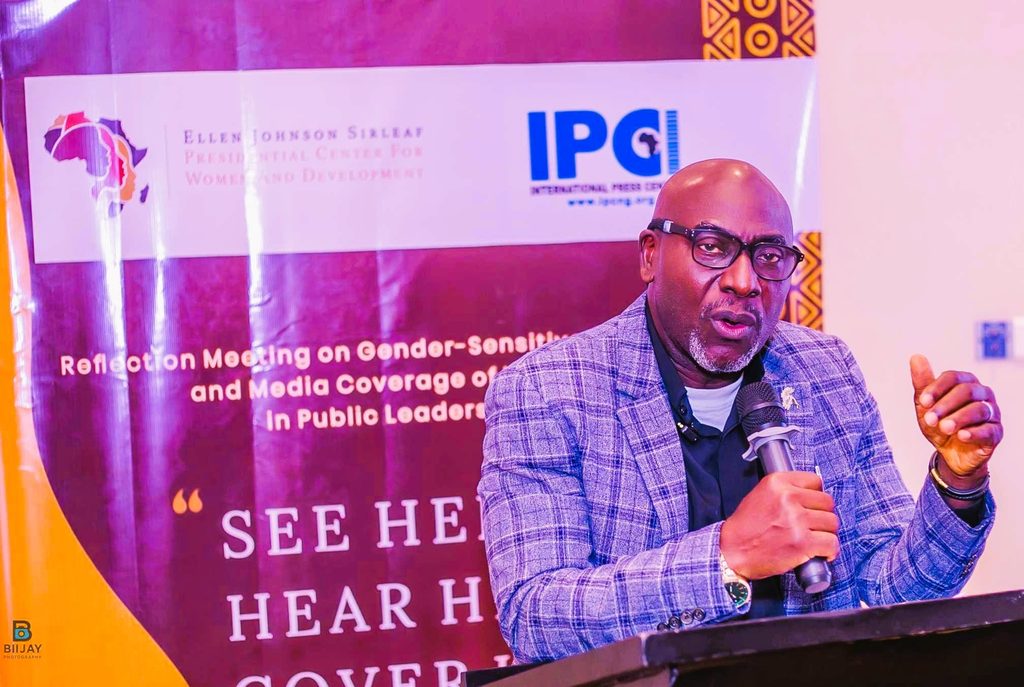
Another concern raised was the limited number of women regularly featured as experts and sources in the media. Wole Soyinka Centre for Investigative Journalism CEO, Motunrayo Alake, called for more qualified women to be included in conversations where their expertise is relevant.
Beyond the discussion in Lagos, the issue raises a broader question for journalism: who gets to speak, what gets reported and what ultimately becomes the public’s understanding of leadership?
As the media continues to shape public conversations, covering women leaders should go beyond simply putting their names in the news. Their ideas, decisions, achievements, challenges and impact also deserve attention.
Because sometimes, the story is not just about who is being covered, but how they are being seen.