

What if the way Nigerians write and speak about their country could influence how the rest of the world sees it?
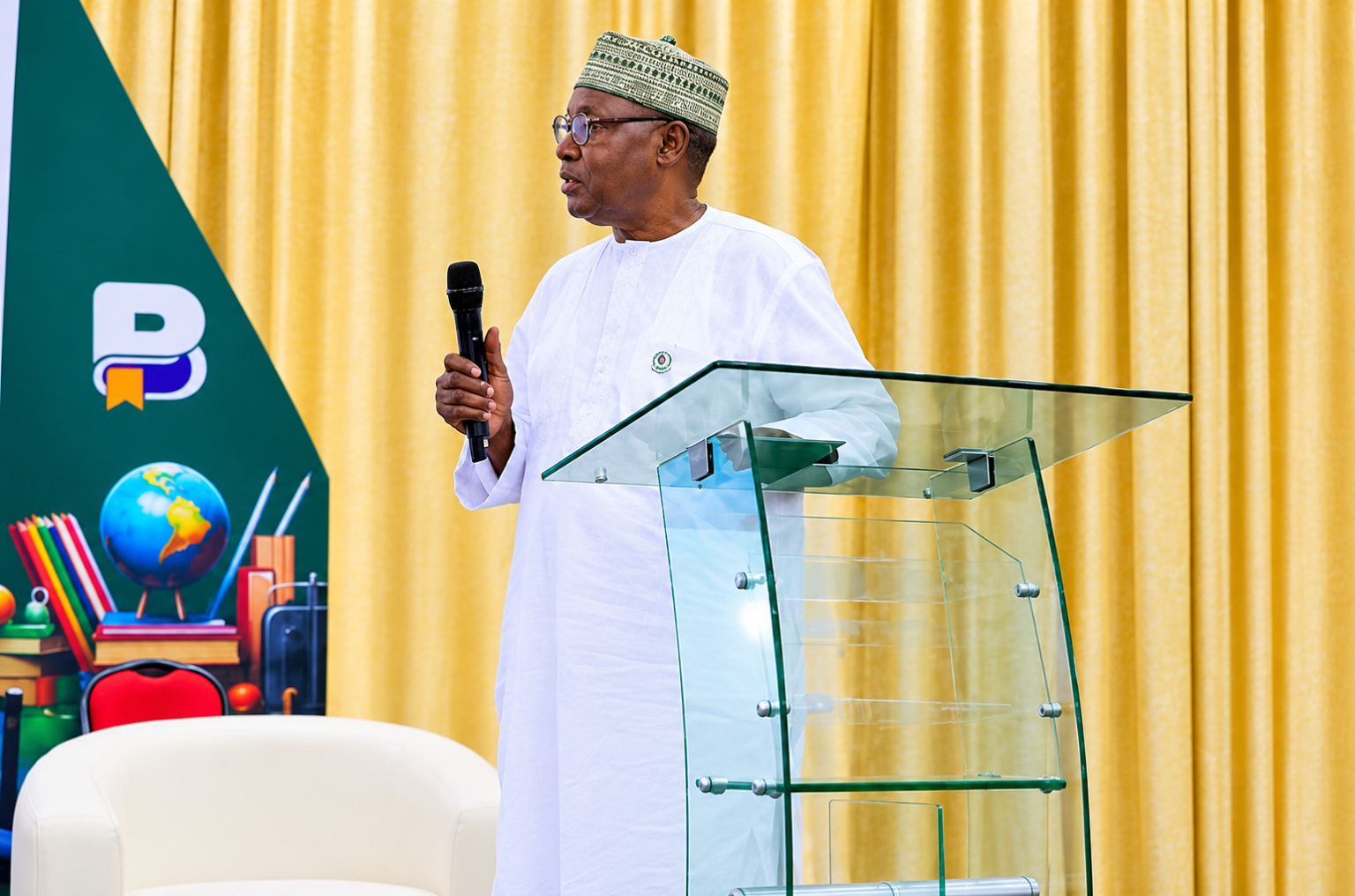
Dr. Bukar Usman, OON, has challenged Nigerian writers to rethink their responsibility to the country, urging them to express dissatisfaction with national challenges without allowing anger to turn into destructive narratives.
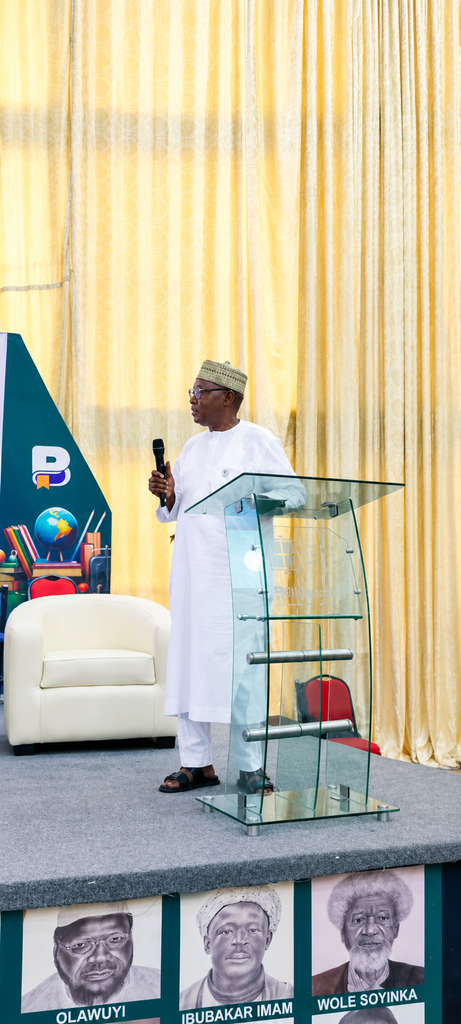
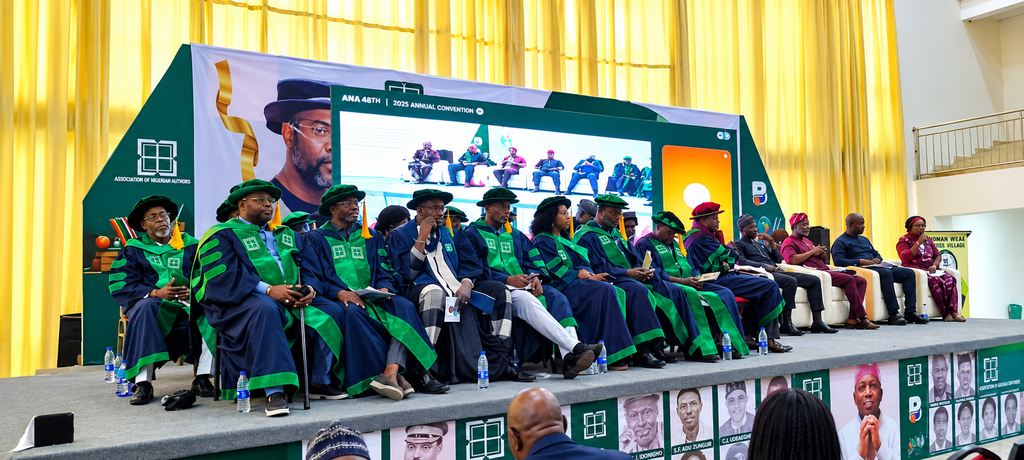
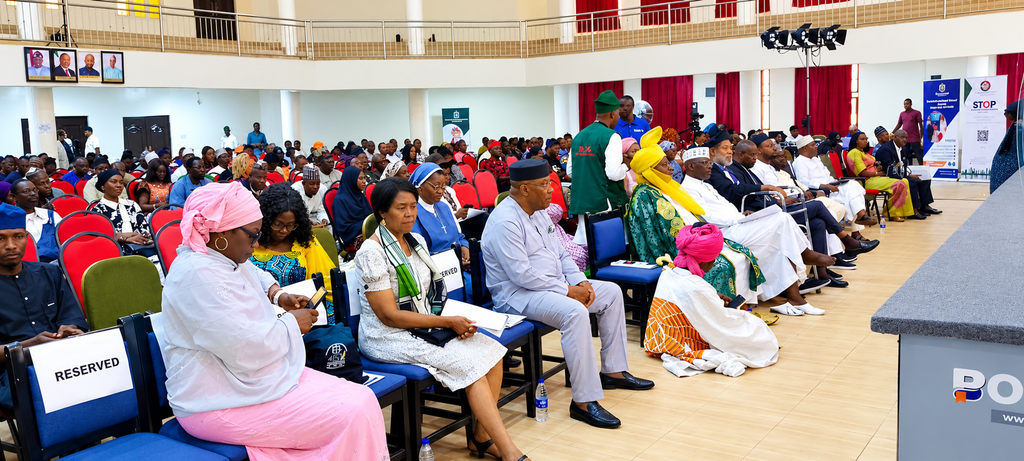
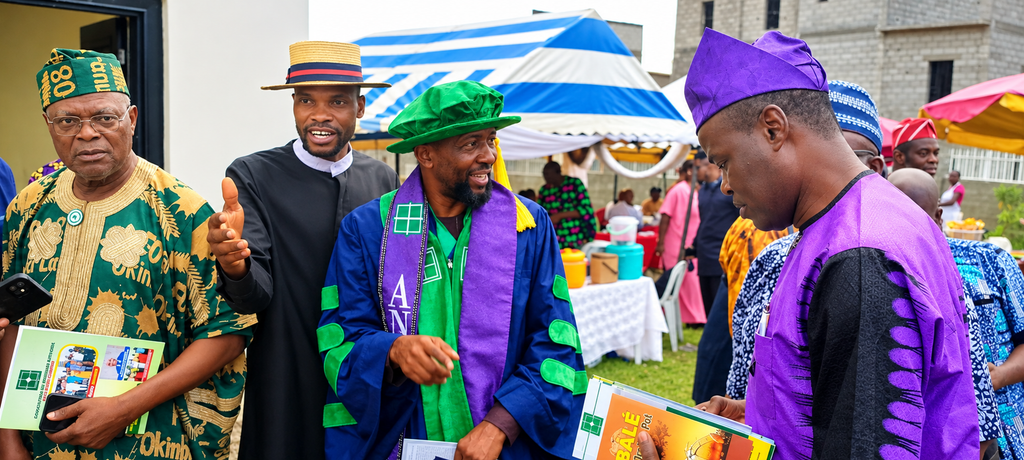
The former Permanent Secretary in the Presidency made the appeal while delivering his address as Chairman of the 45th International Convention of the Association of Nigerian Authors (ANA), held on 27 October 2026 at the Mamman Vatsa Writers’ Village, Mpape, Abuja.
In his address titled Literature, National Security and the Place of Nigeria in the World, Usman argued that literature should serve as a tool for nation-building, peace, stability and national development rather than become an instrument for destroying the country.
He acknowledged that Nigeria has experienced serious political, social and economic difficulties, giving writers legitimate reasons to express disappointment. However, he insisted that criticism should be constructive and guided by a sense of national responsibility.
“We must address our country with some kind of respect,” he stressed during an interview at the convention.
Using the relationship between children and their parents as an illustration, Usman explained that even when children are disappointed with their parents, they are expected to express their concerns with restraint and respect.
He connected this principle to the Nigerian National Anthem, which refers to the country as the motherland and calls on citizens to defend its unity.
According to him, while Nigerians have every right to question developments in their country, they should be conscious of how their words and actions could affect national unity and the country’s image.
Usman also warned that propaganda and mass disinformation have become powerful tools capable of damaging a nation without the use of sophisticated military weapons.
“The pen is mightier than the sword,” he said, reminding writers and other influential voices that their words carry consequences beyond the pages on which they are written.
Beyond the question of patriotism, his address explored Nigeria’s place in the global literary landscape. He highlighted the country’s contributions to African literary development, including its role in the emergence of major Pan-African literary institutions such as the Union of Writers of the African People and the Pan-African Writers Association.
- Bukar Usman Makes Powerful Appeal to Nigerian Writers
- DEVELOPMENT INSIGHTS MORNING 4 NOVEMBER, 2026
- Awele Ilusanmi Foundation Offers ₦1.5m To Encourage Reading
- Remembering Francis Duru and His Love for Akweya
- DEVELOPMENT INSIGHTS MORNING BRIEF, 3 NOVEMBER 2026
He also called attention to the importance of preserving Nigeria’s indigenous knowledge, oral traditions, folklore and cultural heritage through modern digital and technological methods.
Usman explained that literature is not limited to written books. It also includes oral traditions through which African communities historically transmitted wisdom, values and knowledge from one generation to another.
He further noted that Nigerian writers have consistently explored major national experiences, including colonialism, corruption, military dictatorship, the civil war, ethno-religious violence, human rights and gender issues.
He maintained that these difficult subjects must continue to receive literary attention, but writers should ensure that their work contributes constructively to national conversations.
Concluding his address, Usman called on successive executives of ANA to sustain the convention as a platform for intellectual exchange and the advancement of literature in Nigeria and beyond.



