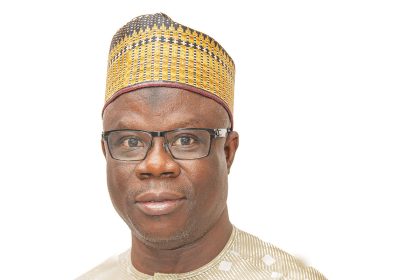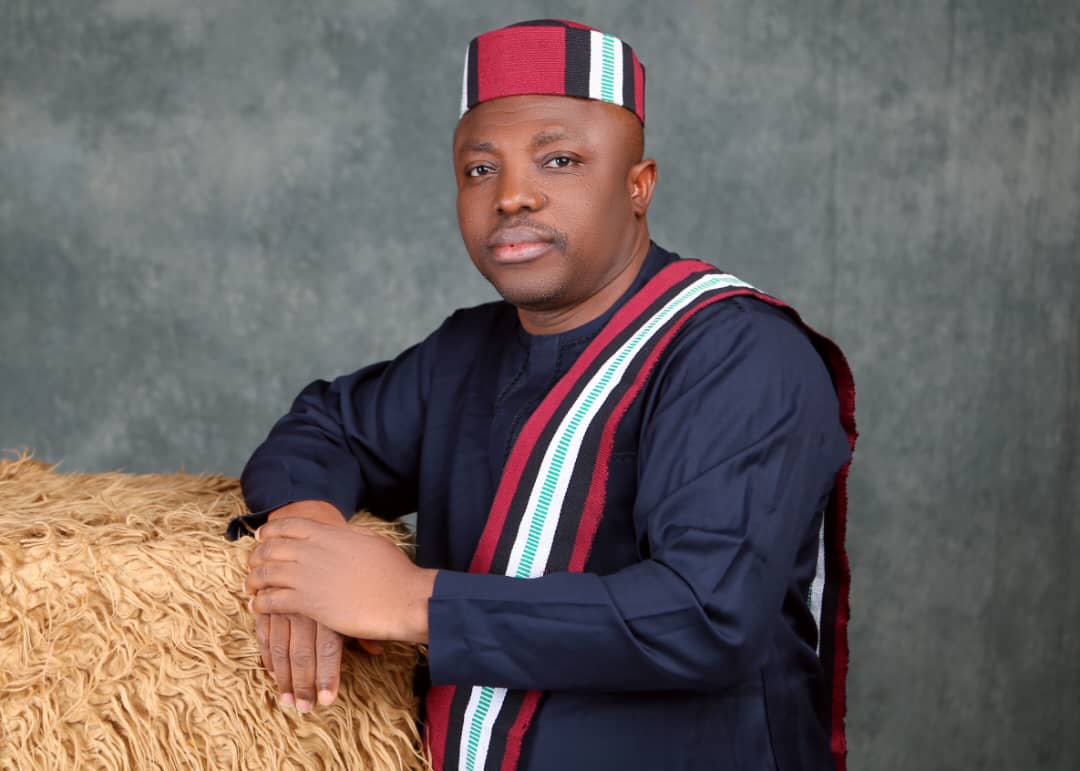

Chief Abba Aduadu’s position centres on the need for the Nigerian government to carefully consider the impact of electricity subsidy removal on ordinary citizens. While he acknowledges that economic reforms may be necessary to strengthen the economy, he argues that such reforms should not simply increase the financial burden on Nigerians without a corresponding improvement in the public services they depend on.According to Chief Abba Aduadu, electricity provides a clear example of this challenge.
Many Nigerians already pay electricity bills while also spending significant amounts on alternative sources of power because the national electricity supply is often unreliable. Households and businesses may have to purchase generators, fuel, inverters or solar systems simply to maintain access to electricity. In his view, these additional expenses form part of the real cost Nigerians already bear for power.
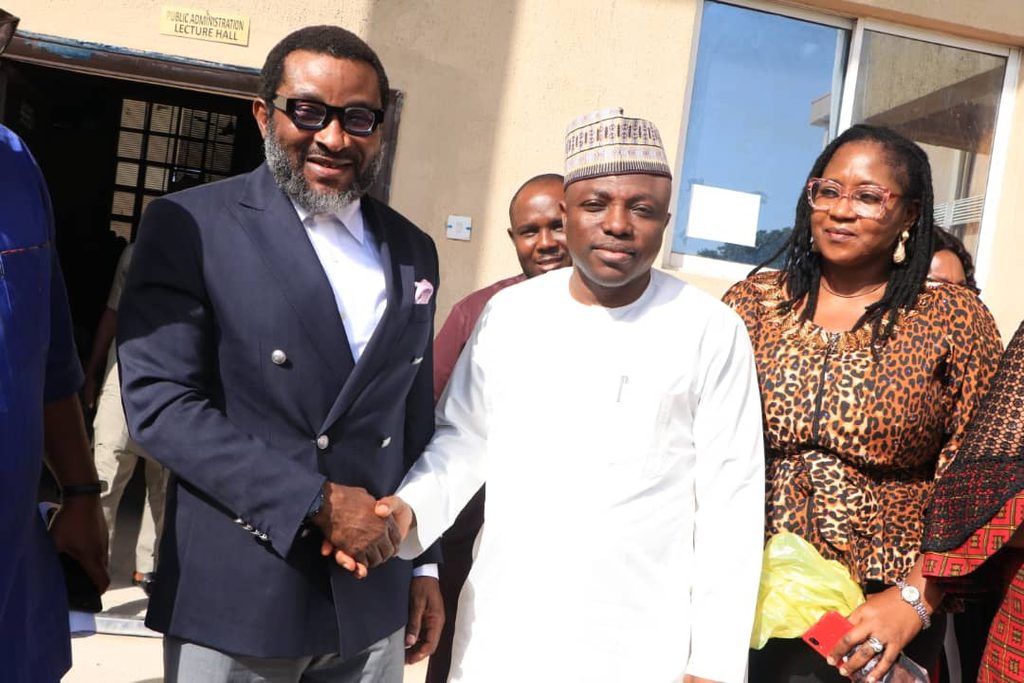
Chief Abba Aduadu therefore questions how much more ordinary Nigerians can reasonably be expected to pay if electricity subsidies are reduced or removed while the quality and reliability of electricity supply remain inadequate. He believes that the government’s responsibility should extend beyond collecting revenue. Government must also create the conditions that allow citizens and businesses to live, work and grow through reliable infrastructure and essential public services. He places particular emphasis on vulnerable and rural communities, where access to electricity, healthcare, good roads and other basic infrastructure may already be limited.
- Accountants Are Turning Numbers Into Opportunities
- Nigeria’s Electricity Bill Has A Surprise
- DEVELOPMENT INSIGHTS MORNING BRIEF, 25 SEPTEMBER 2026
- 4Breath4Life Targets 10,000 Healthcare Providers In Nationwide Training Drive
- HBBA Seeks Justice Reforms To Protect Religious Rights
For these communities, an increase in the cost of essential services could create an even greater burden. He therefore argues that subsidy reforms should be accompanied by stronger infrastructure, meaningful alternatives and measures that protect vulnerable citizens. Another major concern raised by Chief Abba Aduadu is the hidden cost of poor infrastructure. When public electricity fails, citizens and businesses effectively pay again to provide their own power. This means that the true cost of electricity is not limited to the amount shown on an electricity bill. The cost of fuel, generator maintenance, solar equipment and other alternatives can significantly increase the financial burden on Nigerians.
Finally, Chief Abba Aduadu calls for Nigerians to approach questions of governance beyond ethnic, religious and political divisions. He argues that issues such as electricity affect Nigerians regardless of their background or political affiliation.
His central message is that economic reforms should not be measured only by government revenue or economic efficiency. They should also be judged by whether citizens receive reliable public services, whether infrastructure improves and whether Nigerians experience a meaningful improvement in their quality of life.