
For some children, getting medical treatment is not simply about feeling better. It can mean having the opportunity to recover from a condition that can change their lives permanently.
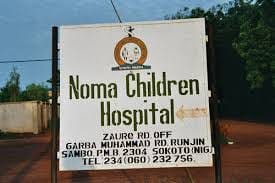
That is why Médecins Sans Frontières (Doctors Without Borders) is providing free reconstructive surgeries and medical support for children affected by noma, a neglected disease that is strongly linked to extreme poverty, malnutrition and limited access to healthcare. In Nigeria, the organisation works with treatment centres including the Noma Children Hospital in Sokoto and facilities in Abuja.
Noma can begin with an infection in the mouth and progress rapidly when it is not treated. Although it is preventable and treatable when identified early, limited awareness, poverty and delays in seeking care can make treatment more difficult. The disease has particularly affected vulnerable children in parts of northern Nigeria and other countries across Africa.
MSF’s work includes reconstructive surgery for children who have survived the disease. The organisation has also highlighted the importance of early diagnosis and access to appropriate treatment. At the Noma Children Hospital in Sokoto, more than 500 children were treated between 2023 and 2025, showing the continued need for specialised care and public awareness.
- 4Breath4Life Targets 10,000 Healthcare Providers In Nationwide Training Drive
- HBBA Seeks Justice Reforms To Protect Religious Rights
- NGO Calls for Whistleblower Protection Laws
- Beyond Lassa Fever Bukar Usman Uncovers The Story Of Lassa
- FG Opens Doors for Youths Through Skills Programme
But treatment is only one part of the solution. For families, recognising the warning signs early and knowing where to seek help can make a major difference. Better nutrition, improved access to healthcare and stronger awareness can also help communities address some of the conditions that allow noma to thrive.
The story of noma therefore goes beyond surgery. It raises a wider question about whether vulnerable children can access basic healthcare early enough to prevent a treatable condition from becoming life-changing.
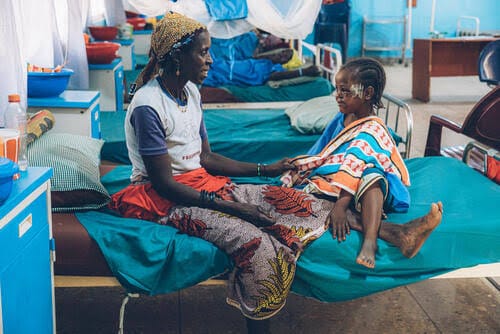
As organisations such as MSF continue providing specialised care, greater awareness among families, health workers and communities remains an important part of the fight against noma. Early attention, accessible healthcare and community education can help ensure that more children receive treatment before the disease progresses.