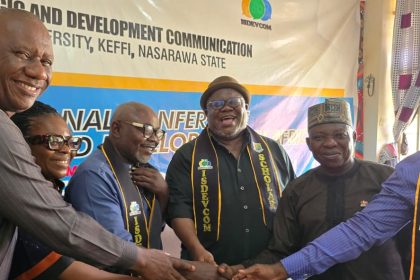

Something exciting is happening in Ebonyi State, and it could change the future of more than 100 young people! Instead of waiting endlessly for job opportunities, beneficiaries of a new government-backed initiative are learning practical creative media and digital skills that could help them build careers, start businesses and earn a living.
On Friday, October 2, 2026, the Federal Ministry of Education’s IDEAS-TVET Initiative, in collaboration with Guarantee Global Tech and Resources, officially commenced its Cohort 3 training programme in Abakaliki, Ebonyi State. The programme is designed to equip more than 100 beneficiaries with practical skills that can open doors to employment, entrepreneurship and financial independence.
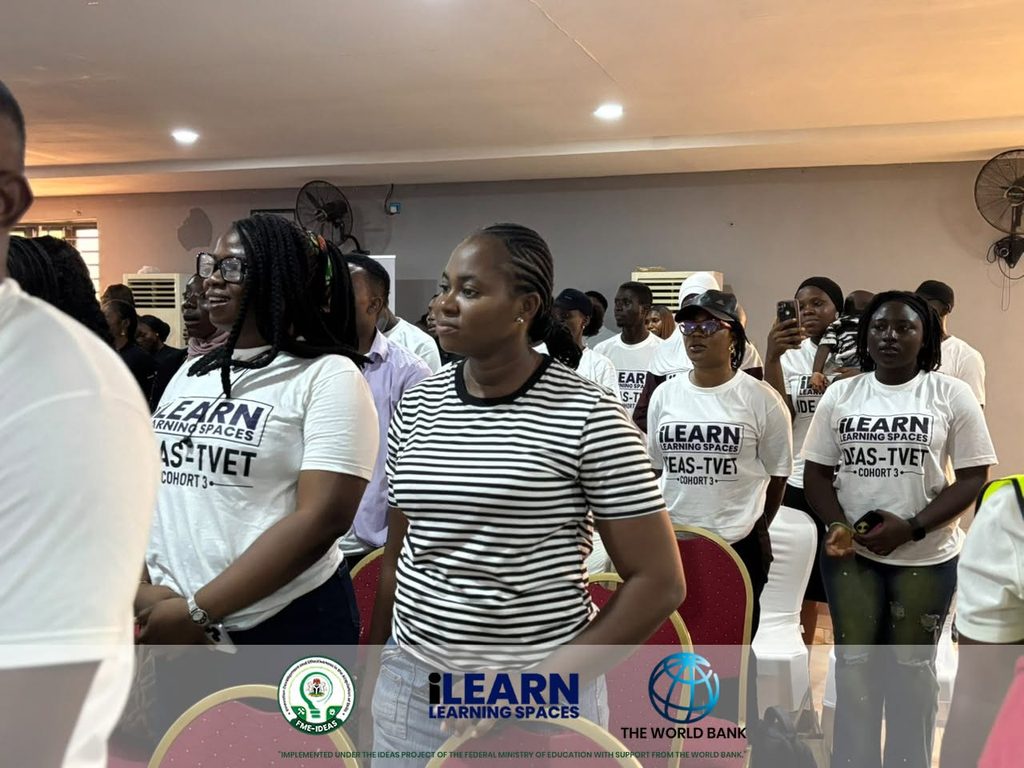
Speaking at the flag-off ceremony, Dr. Anozie Nwokoma, representative of the National Project Coordinator of the IDEAS-TVET Initiative, described the programme as more than another training exercise. He said it was an opportunity to build human capital, strengthen Nigeria’s technical and vocational education system, empower young people and help reduce poverty.
The IDEAS Project is implemented by the Federal Ministry of Education with support from the World Bank. Its latest training programme is giving participants practical experience in video editing, graphic design, camera handling, content creation and crew membership — skills that are increasingly valuable in today’s digital economy.
But here is another important detail: the initiative is not just about teaching young people how to use cameras or edit videos. It is also focused on ensuring that the training meets recognised standards.
Mr. Onyenucheya Okoro Uneke, the programme’s Quality Assurance Assessor, explained that participants are assessed from the beginning to identify their strengths, weaknesses and individual learning needs. The beneficiaries maintain personal folders and weekly logbooks to document their progress, with the training aligned with Nigeria’s National Occupational Standards.
He also disclosed that the Federal Ministry of Education, through the IDEAS Project, is training more than 500 assessors from different training service providers across the country to strengthen quality assurance.
Representatives of the Industrial Training Fund, the Ministry of Education, the National Directorate of Employment, traditional institutions and religious organisations attended the flag-off ceremony. They encouraged participants to take the opportunity seriously and use their new skills to build productive futures.
For the beneficiaries, the impact is already becoming personal.
Ede Ofobuike, one of the participants, said the training had equipped him with valuable creative media skills and positively affected his life.’
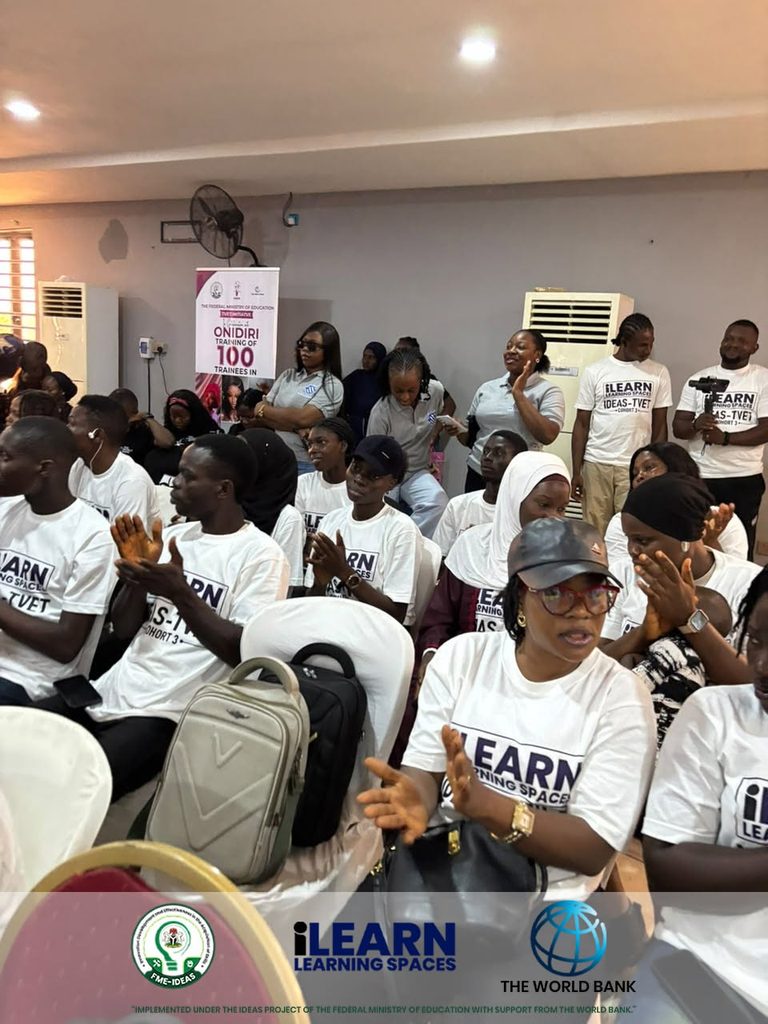
Another beneficiary, Okike Ogbonnaya Eunice, expressed excitement about learning content creation, video editing and graphic design. She praised the conducive learning environment and explained that the stipend provided was helping with transportation costs.
Most importantly, Eunice said the experience could help her become self-employed.
- Akweya Alphabet Series: Words With The Letter GB
- Teachers’ Day: CHRCR Urges Kogi State To Recruit More Teachers, Improve Transport
- Akweya Alphabet Series: Words From Letter G
- Akweya Alphabet Series: The Letter E
- Akweya Alphabet Series: Words With The Letter D
The Chief Executive Officer of Pacific Institute of Catering and Hotel Management, Mr. Kwalu John Paul, also stressed that practical skills could provide a pathway to economic survival and success, drawing on his more than 18 years of experience in skills development.
For Ebonyi’s young people, this programme represents more than certificates or classroom lessons. It offers a chance to transform creativity into a source of income, build independent careers and participate in Nigeria’s growing digital economy.
The big question now is: how many of these beneficiaries will turn their new skills into thriving businesses, sustainable jobs and opportunities for others?
If the training delivers on its promise, more than 100 young people could leave with something far more valuable than a qualification — the practical ability to create their own opportunities.