

Introduction
Akweya, also known as Akpa, is a rich Idomoid language spoken mainly in the Akpa District of Otukpo and parts of Ohimini Local Government Area of Benue State, Nigeria.
With its unique 40-letter alphabet, including distinctive digraphs and trigraphs, Akweya reflects the identity, history and cultural richness of its people. It is also a tonal language, where changes in tone can give the same word different meanings.
The Akweya people proudly call themselves Akweya, meaning “sons of Akwu,” while Akpa is the name officially used by the government since 1950. Both names are commonly used to refer to the people, their language and their land.
The latest Instalment of the Akweya Language Lesson explores another aspect of the language, focusing on its letters, words, and meanings, alongside different profiles of a notable Akweya personality featured in the book The 100 Most Influential Akweya.
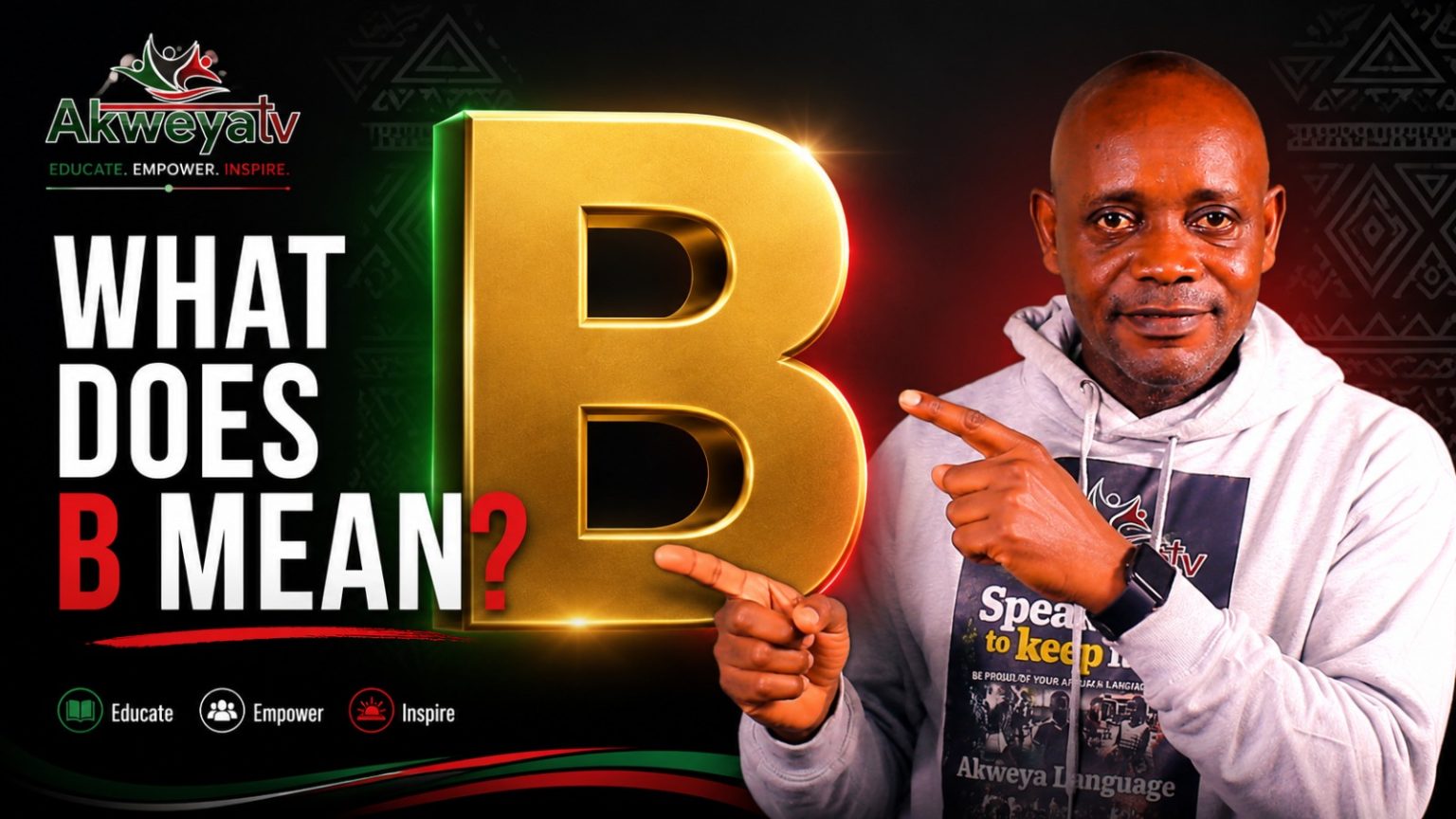
Akweya Language Lesson Highlights Words From Letter B
An Akweya language lesson has focused on words from the letter “B” (Bee), while also introducing personalities featured in an upcoming book titled “The 100 Most Influential Akweya.”
One of the personalities highlighted was David Akoji, who studied English Language at the University of Jos before obtaining a Postgraduate Diploma in Management and a Master’s degree in Business Administration from Bayero University, Kano.

Akoji was among the first Akweya sons to contest for the Federal House of Representatives seat for Otukpo/Ohimini, a development that contributed to greater political participation among Akweya people.
He also supported education, employment opportunities and youth development in Akweya communities and founded Akweya Youth Mentors, a platform that connected accomplished Akweya professionals with young people for mentorship and guidance.
The lesson also introduced several Akweya words, including “Baa”, meaning “to take”; “Ba”, meaning “to beg” or “to cut”; “Bla”, meaning “to deceive”; “Ba Kiyi”, meaning “give us”; “Ibi”, meaning “body”; “Iba”, meaning “drum”; “Ibu”, meaning “farm hut”; “Ibala”, meaning “dryer”; and “Bu”, meaning “tie.”
The lesson formed part of efforts to promote the learning and preservation of the Akweya language.
Link to watch the full video:


