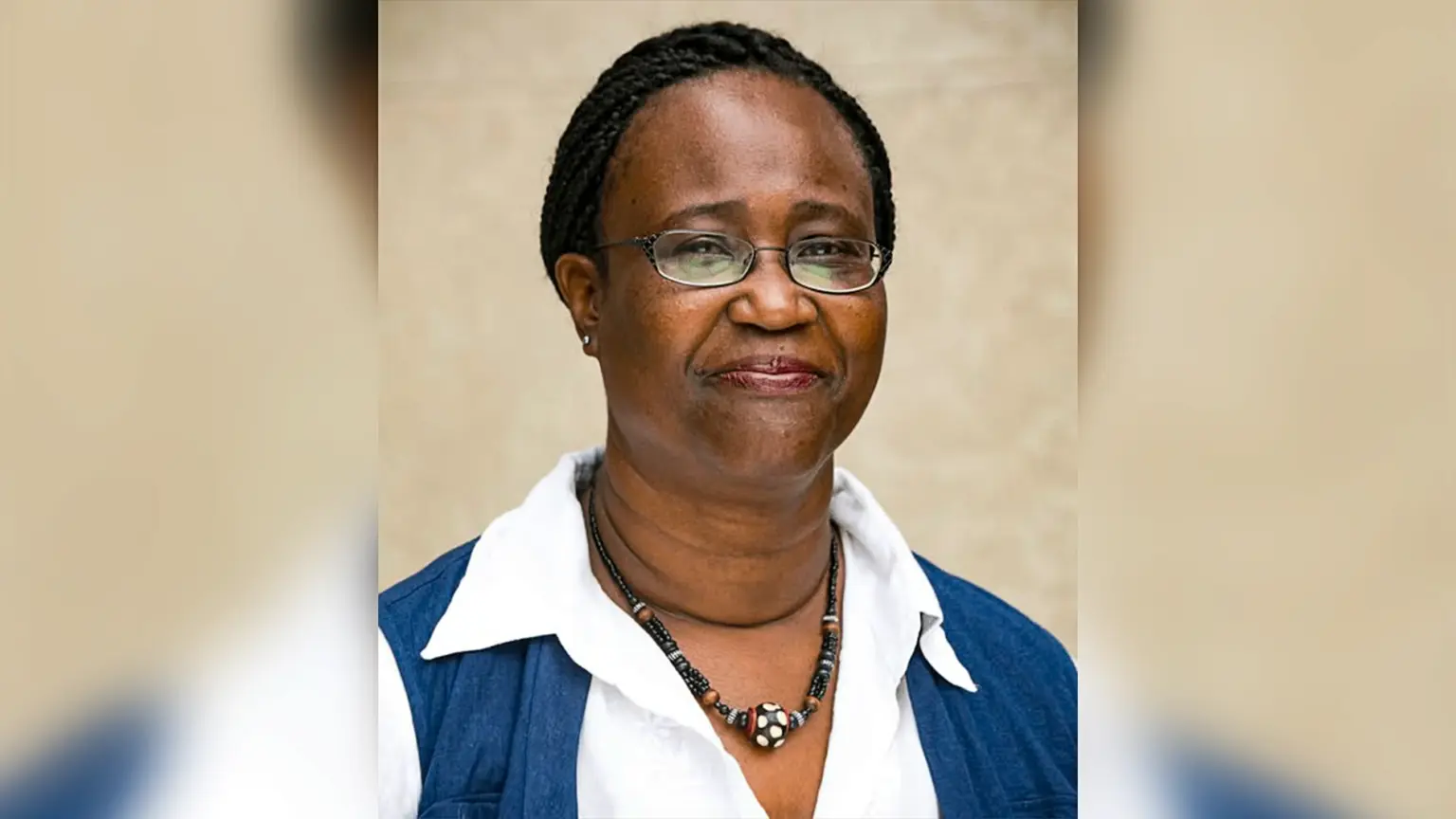


Nigerian NGOs Demand Equal Voice at the UN
What happened: On 12 October, Dr Judith-Ann Walker, Executive Director of the development Research and Projects Centre (dRPC), called for better access for African civil society organisations to UN decision-making. She highlighted accreditation barriers and funding cuts that limited NGO participation around the 81st UN General Assembly.
Why it matters: Nigerian organisations missed important international discussions, including a September 23 Global Partnership for Education meeting focused on a $3.5 billion replenishment target.
Implication: Donors should fund civil society participation in global policy discussions and strengthen African representation.
Developing Countries Seek Greater Influence Over Debt

What happened: On 12 October, finance ministers, central bank governors and senior officials met in Bangkok for the first Governing Council meeting of the UN-backed Borrowers’ Platform, coordinated by UN Trade and Development (UNCTAD). UN Secretary-General António Guterres highlighted rising debt-servicing pressures.
Why it matters: Expensive debt repayments can reduce resources available for healthcare, education and infrastructure. The platform promotes cooperation but does not negotiate collective debt restructuring.
Implication: Nigerian policymakers should strengthen debt transparency and protect essential development spending.
Can Cheaper Petrol Reduce Food Prices?

What happened: On 12 October, Working People United (WoPU), led by National Coordinator-General Williams Akporeha, urged transport operators, haulage companies and food distributors to reduce charges following the Federal Government’s 30-day petrol intervention under President Bola Tinubu’s administration.
Why it matters: Lower fuel costs could reduce food transportation expenses, but other production and distribution costs may prevent prices from falling.
Implication: Relevant agencies should monitor transport charges and food prices to determine whether consumers benefit.
NEDC Advances Electric Mobility in Taraba

What happened: On 12 October, the North-East Development Commission (NEDC) held a stakeholder sensitisation workshop in Taraba State on electric mobility, including electric buses, vehicles and tricycles. State Coordinator Mallam Adamu Lawal opened the workshop on behalf of Managing Director Mohammed G. Alkali.
Why it matters: Electric mobility could create jobs, reduce pollution and improve regional connectivity, provided charging infrastructure and maintenance systems are developed.
Implication: State authorities and private partners should identify viable pilot projects, workforce needs and sustainable operating models.
YVEI Reaches 203 Girls Through Menstrual Health Campaign

What happened: On 10 October, the Young Voices Empowerment Initiative for Youth and Children (YVEI) concluded its Pad a Girl Child Campaign in Itomu, Epe, Lagos State. The campaign reached 203 girls and approximately 20 boys with menstrual-health education and information about reusable and biodegradable products.
Why it matters: Menstrual health education supports dignity, informed choices and girls’ participation in education and community life. Parents, caregivers and boys were also engaged.
Implication: Development partners should support sustained access to menstrual products and measure changes in knowledge and hygiene practices.
Bukar Usman Champions Indigenous Cultural Preservation

What happened: In A Shared Identity: Relevance of Bura Culture Day Celebration, Dr Bukar Usman documents Bura cultural traditions in Borno State and warns about declining use of the Bura-Pabir language. The book highlights the Bura Women Development Association, established in 2014, and proposes stronger community-led language preservation.
Why it matters: Indigenous languages carry cultural knowledge, history and identity. Annual festivals alone cannot prevent language decline without everyday use in homes, schools and community institutions.
Implication: Cultural organisations, educators and donors should support mother-tongue learning, youth engagement and indigenous-language documentation.
WATCH CLOSELY
From commitments to results: Watch whether government policies, education funding and development projects translate into measurable improvements for communities.
HIDDEN OPPORTUNITY
Local evidence, stronger funding: NGOs can use community-level results and human-interest stories to attract donors, strengthen advocacy and demonstrate impact.
OVERLOOKED RISK
The implementation gap: Cheaper petrol may not lower food prices, and one-off campaigns may not deliver lasting change. Monitor outcomes beyond announcements.
Compiled by Nathan Yohanna
For more inquiries:
Website: www.akweyatv.com
Email: info@akweyatv.com
Phone number: +234 904 480 0200
YouTube: @akweyatv
Facebook: @akweyatvglobal
Instagram: @akweyatv
TikTok: @akweyatv