
BY OLUCHUKWU AGHA AMADI
Fuel Price Hike Puts Pressure on Businesses and Households in Abuja
For many residents of the Federal Capital Territory, the latest increase in petrol prices is no longer just a figure displayed at filling stations.
It is beginning to affect how people commute to work and school, move goods to markets, run businesses and manage household expenses.
The latest increase followed a rise in the petrol gantry price of Dangote Petroleum Refinery from ₦1,265 to ₦1,350 per litre, effective September 12, 2026.
The ₦85 increase represents a 6.7 per cent adjustment and is the refinery’s fourth upward price review since August 21.
- Transport Fares Rise by 30% in Abuja, Neighbouring States
- Nigeria’s Young Tech Stars Get Rewarded
- 1,130 Children Receive Life-Changing Support
- Foreign Aid Investigation Sparks Debate Over NGO Accountability
- DEVELOPMENT INSIGHTS MORNING BRIEF, 15 SEPTEMBER 2026
Petrol Prices Rise Across Abuja
Checks across Abuja showed that petrol prices vary among filling stations.
MRS stations increased their pump price from ₦1,350 to ₦1,395 per litre, while NIPCO outlets moved to about ₦1,430 per litre. Mobil stations also adjusted their price to around ₦1,400 per litre.
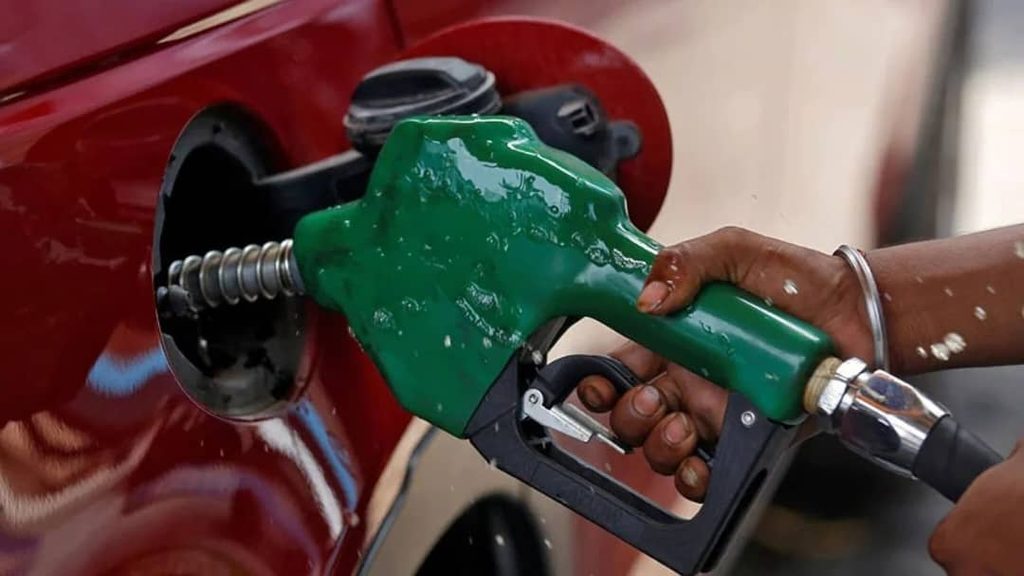
With some stations already selling above ₦1,400 per litre, concerns are growing that petrol prices could move closer to ₦1,500 if international crude oil prices and transportation costs remain elevated.
For motorists, the increase means spending more to fill their vehicles. But for residents who rely on commercial transportation, the impact is likely to come through higher fares.
Commuters Face Rising Transport Costs
Every day, thousands of workers, students, traders and other residents travel from areas including Kubwa, Gwagwalada, Lugbe, Nyanya and Karu to different parts of Abuja.
For many of them, higher petrol prices could translate into higher transportation costs.
Commercial buses, taxis and tricycles all depend on fuel to operate. When their running costs increase, operators may have little choice but to adjust fares.
For residents already spending a significant portion of their income on transportation, even a modest increase can put additional pressure on their daily budgets.
Students and workers who travel long distances may be particularly affected, as reducing their journeys is often not an option.
The impact of the petrol increase could also extend to food and other household essentials.
Food produced on farms must be transported to warehouses, markets and shops before reaching consumers. Higher transportation costs can therefore increase the cost of moving these products along the supply chain.
Experts Warn Of Wider Economic Effects
Mazi Colman Obasi, National President of the Oil and Gas Services Providers Association of Nigeria, said the latest pressure is largely connected to rising international crude oil prices and the cost of refined petroleum products.

Mazi Colman Obasi explained that Nigeria’s largely deregulated downstream market means petrol prices are increasingly influenced by international crude prices, refined-product costs, freight, exchange rates and other supply chain expenses.
“With Nigeria’s downstream market largely deregulated, pump prices are increasingly influenced by international crude prices, refined product costs, freight, exchange rates and other supply chain expenses,” he said.
Mazi Colman Obasi warned that if crude oil prices remain above $100 per barrel or rise further, Nigerians could face additional pressure at the pump.
He said the effects would cut across different sections of society.
“For transporters, the immediate concern is the cost of keeping vehicles on the road. For commuters, it is higher fares.”
According to him, households could face higher transportation, food and electricity costs, while businesses may have to contend with increased logistics, production and energy expenses.
“If the crude price rally persists, the pressure could extend further across the Nigerian economy, deepening concerns over the cost of living and doing business,” he said.
Households Risk Losing More Purchasing Power
Victoria Ibezim-Ohaeri, Executive Director of Spaces for Change, also warned that the latest fuel increase could place additional pressure on households.
“For households, the most immediate concern is likely to be higher transportation and food costs,” she said.
Victoria Ibezim-Ohaeri explained that higher fuel and logistics costs increase the expense of moving both people and goods.
Households and businesses that depend on petrol or diesel-powered generators could also face increased energy costs.
She warned that the situation could further weaken the purchasing power of low and middle income households.
Businesses in sectors including manufacturing, agriculture, construction, retail and logistics could also face higher energy, transportation and input costs.
“If the shock persists, firms may pass additional costs on to consumers, absorb lower profit margins, postpone investment or reduce employment,” she said.
With petrol prices in parts of Abuja now above ₦1,400 per litre and concerns over a possible move towards ₦1,500, residents and businesses are watching the market closely.
The bigger question for many households is no longer simply how much petrol costs, but how much more they will have to spend to live, work and do business in Nigeria’s capital.