
A high-level coalition of international business leaders and humanitarian experts is calling for an urgent maritime agreement to reopen the Strait of Hormuz to essential goods. Citing a dire threat to global food supplies, the International Crisis Group and a group of 33 prominent signatories released a statement on Monday proposing a humanitarian corridor modeled after the 2022 Black Sea grain deal. The proposal, dubbed the “Hormuz Initiative,” seeks to insulate the global trade of food and fertilizer from the intensifying military campaign between the U.S., Israel, and Iran.
The move comes as traffic through the Strait has been “sharply curtailed” following a string of Iranian attacks on vessels off its southern coast. These actions were staged in response to the U.S.-Israeli military campaign that launched on 28 February 2026. The blockade has crippled more than just energy markets; the International Crisis Group warns that roughly one-third of the global fertilizer trade typically passes through this narrow waterway. The statement notes that “the impact will be felt around the world, but the pain will be especially acute for small farmers in poor countries”.
The proposed initiative looks to the UN-brokered Black Sea Grain Initiative as a successful precedent for maintaining trade during active hostilities. That deal allowed Ukraine to export millions of tonnes of grain despite its war with Russia, effectively lowering global food prices and providing relief to the Global South.
The signatories argue that while a ceasefire is the ideal solution, “any realistic effor±t± to lessen the humanitarian effects of the new Middle East war needs to rely on something other than the success of diplomacy aimed at ending or pausing the war”.
.
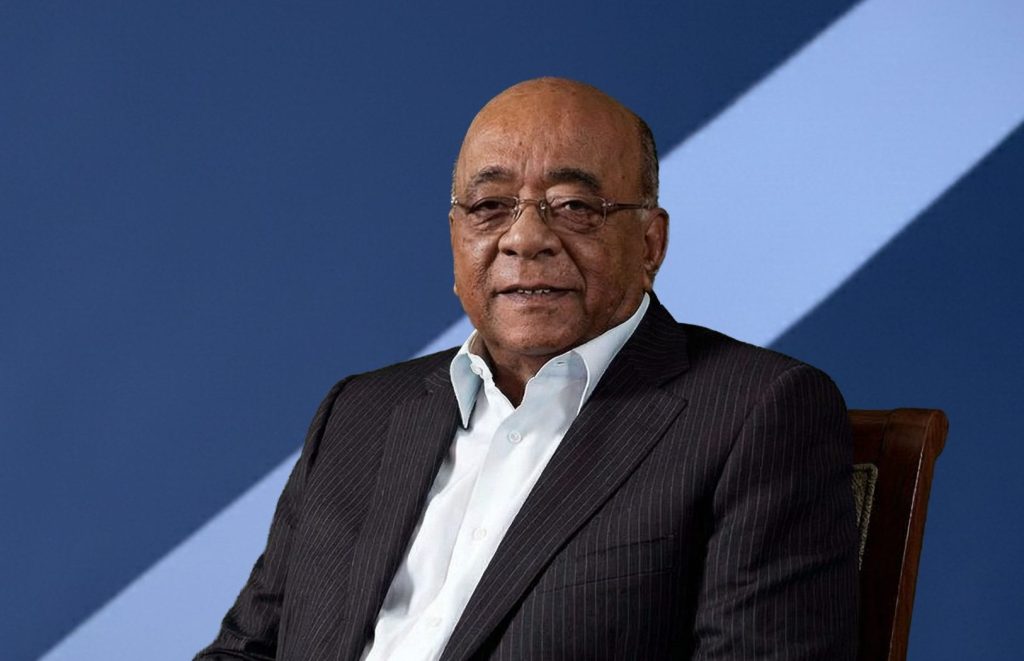
The push for this mechanism includes significant representation from African leadership and industry. Among the 33 signatories are former Guaranty Trust Bank CEO Fola Adeola, a Nigerian who is the founder and Chairman of the FATE Foundation, and Ibrahim Mayaki, the African Union Special Envoy for Food Systems and former Prime Minister of Niger. Other key regional voices include Mo Ibrahim, founder of the Mo Ibrahim Foundation and Celtel International, and Nathalie Delapalme, Executive Director of the Mo Ibrahim Foundation.
The statement notes that “the impact will be felt around the world, but the pain will be especially acute for small farmers in poor countries”.
These leaders emphasise that without this initiative, farmers in vulnerable regions like war-ravaged Sudan may react to high costs by planting less, creating even more scarcity.
The United Nations has already taken steps toward this goal by announcing a task force to address maritime trade disruption and floating an operational mechanism to permit the transit of fertilizer and humanitarian aid.
The “Hormuz Initiative” would remain independent of any military plans to open the Strait by force, focusing strictly on the unhindered flow of food and related materials like sulfur and ammonia. Proponents suggest this approach serves both Iranian and U.S. interests by lowering the conflict’s costs to the rest of the world while protecting regional food security.