
Global humanitarian organisation Médecins Sans Frontières (MSF) has publicly criticised the American company Gilead Sciences for refusing to supply a highly effective HIV prevention drug, raising concerns about the safety of millions of vulnerable people worldwide.
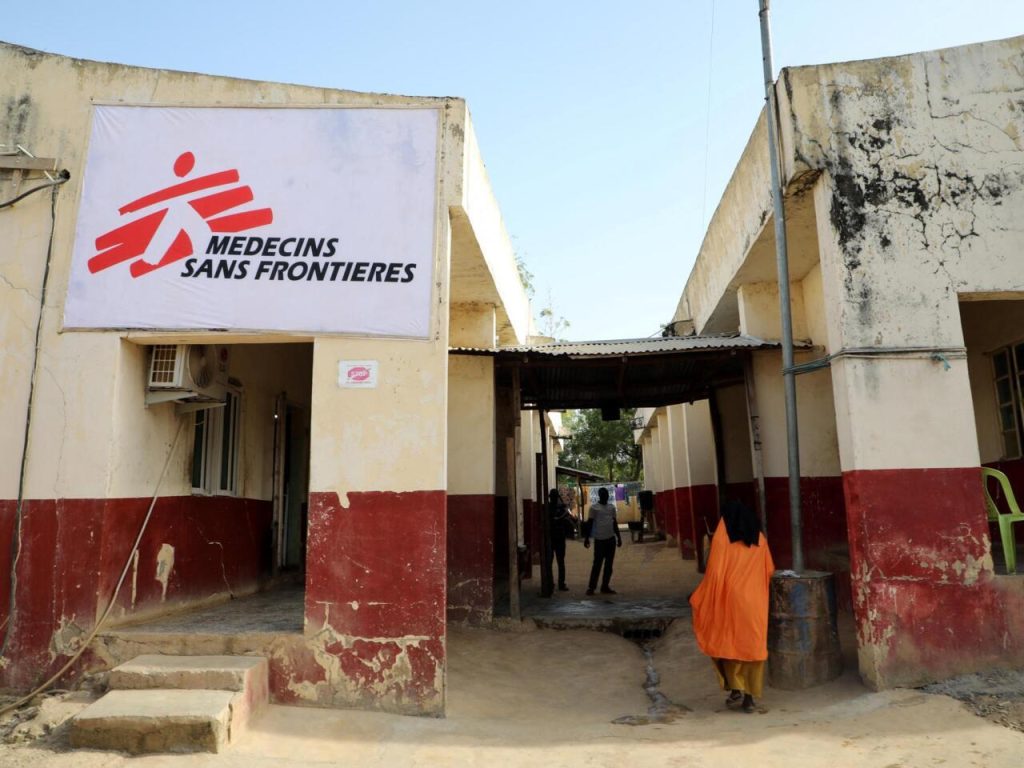
In an open letter released March 30, 2026, MSF urged the pharmaceutical company to urgently make available lenacapavir, a groundbreaking injectable form of HIV prevention medication known as pre-exposure prophylaxis (PrEP). The organisation says repeated attempts to procure the drug directly from the company have been unsuccessful.
Lenacapavir is being hailed as a major advancement in HIV prevention because it requires administration only twice a year, unlike daily pills. This makes it particularly valuable for people living in fragile and hard-to-reach environments, including conflict zones and underserved communities where MSF operates.
According to global estimates, approximately 1.3 million people contract HIV each year, underscoring the urgent need for more accessible prevention tools.
Dr. Tom Ellman, Director of MSF’s Southern Africa Medical Unit, warned that restricting access to such innovation could have deadly consequences.
“Blocking humanitarian organisations from accessing a medical breakthrough puts vulnerable people in danger,” he said.
Despite public assurances from Gilead Sciences that production capacity can meet demand, MSF says the company has declined to sell even limited quantities for its programmes. Instead, MSF has been directed to obtain the drug through the Global Fund to Fight AIDS, Tuberculosis and Malaria.
However, the Global Fund’s current supply is limited, enough to cover only about two million people over three years, which is far below global demand. Access is further constrained by eligibility conditions, leaving some countries where MSF operates completely excluded.
Despite public assurances from Gilead Sciences that production capacity can meet demand, MSF says the company has declined to sell even limited quantities for its programmes.
While access remains restricted in many low- and middle-income countries, the drug is already available for purchase in wealthier nations such as the United States, raising questions about equity in global health distribution.
Dr. Ellman drew parallels with past inequalities in HIV treatment access: “Gilead must decide whether it prioritises protecting people or protecting control and profit. This situation echoes the 1990s, when life-saving HIV medicines were widely available in wealthy countries but out of reach for much of the developing world.”
MSF has now requested an urgent follow-up meeting with Gilead Sciences before April 13 to revisit the possibility of direct procurement, pricing, and timelines for supply.
The outcome of these discussions could significantly impact global efforts to curb new HIV infections, especially among populations most at risk.
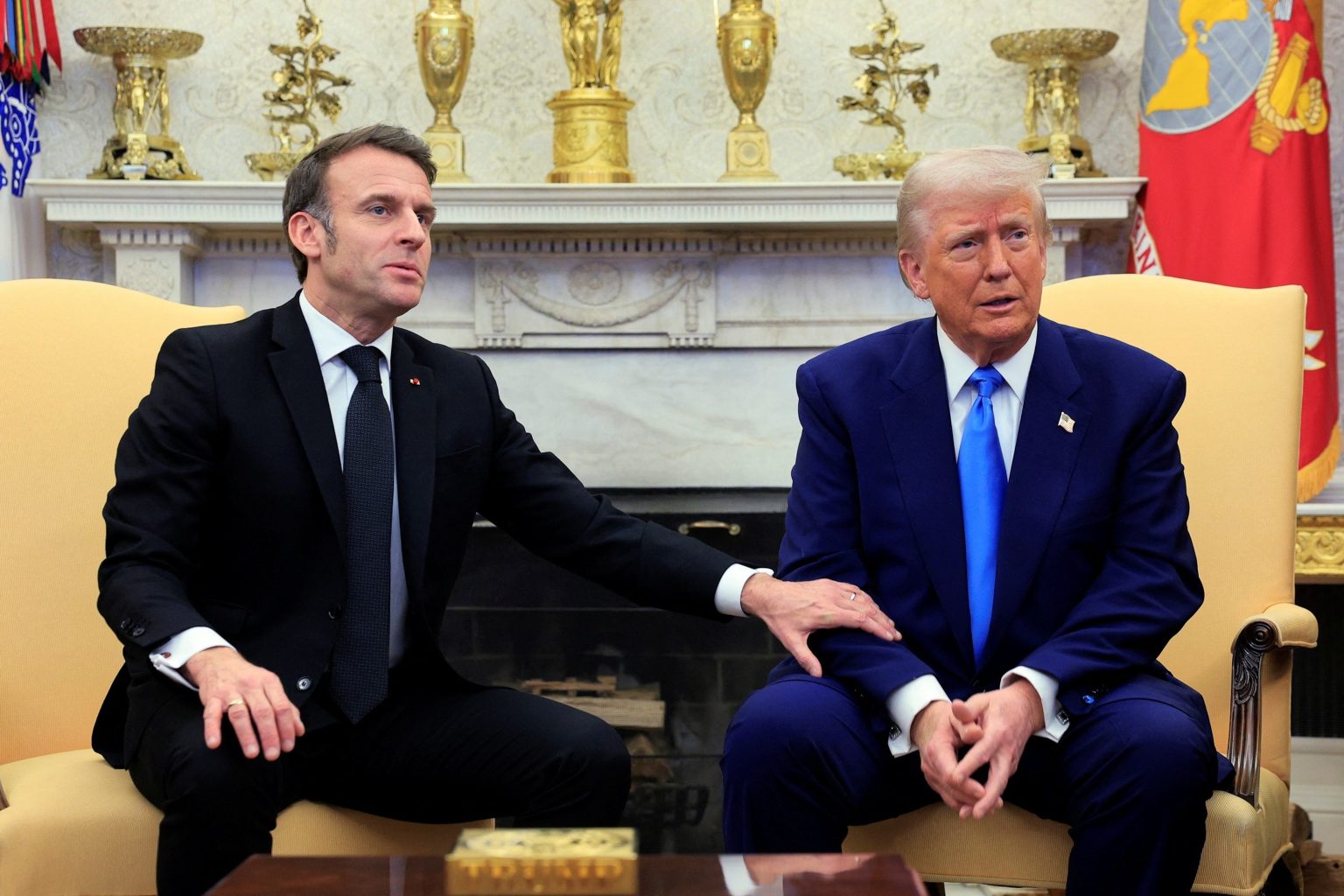
It is unclear if Gilead’s refusal to sell to MSF is connected to the refusal of European countries to join US President Donald Trump’s war in Iran. Médecins Sans Frontières (MSF), or Doctors Without Borders, was founded in Paris, France, in 1971 by a group of French doctors and journalists. While it originated in France, it is now an independent, global international movement with 21 association offices worldwide.
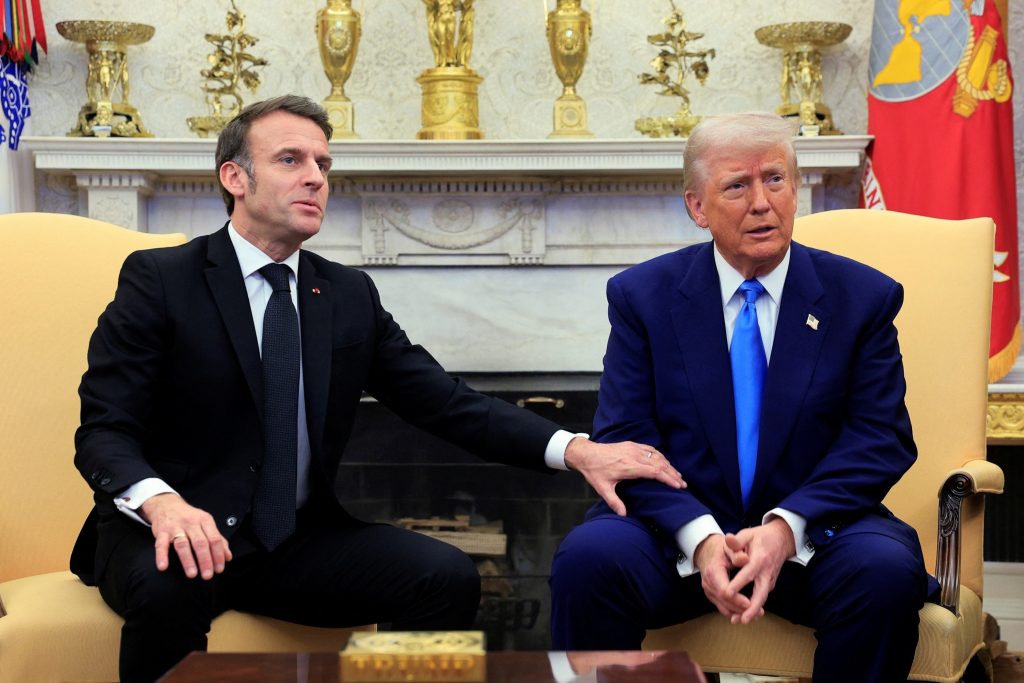
U.S. President Donald Trump recently intensified diplomatic tensions with France by threatening a 200% tariff on French wine and champagne. This threat is intended to pressure President Emmanuel Macron into joining Trump’s “Board of Peace” initiative. Tensions have further escalated over disagreements regarding Iran and NATO.