Akweya Kingdom stood still in solemn remembrance on April 15, 2026, marking one year since the tragic killing of innocent sons of the land in Otogwi—an incident that continues to cast a long shadow over the community and its people.
At exactly 5 p.m., the symbolic hour of the attack, messages of mourning, reflection, and renewed resolve poured in from across Akweya and neighbouring communities, underscoring a shared grief, and a collective determination to prevent a recurrence.
ACDA Leads Day of Mourning
Leading the tributes, the Akweya Community Development Association (ACDA), through its President General, Chief Maurice Agor Adiga, described the anniversary as “the day of mourning in Akweya Land.”
“It’s exactly one year today… when innocent sons of Akweya were murdered in cold blood at Otogwi,” he stated, extending condolences to the District Head, the Traditional Council of Chiefs, and the bereaved families.
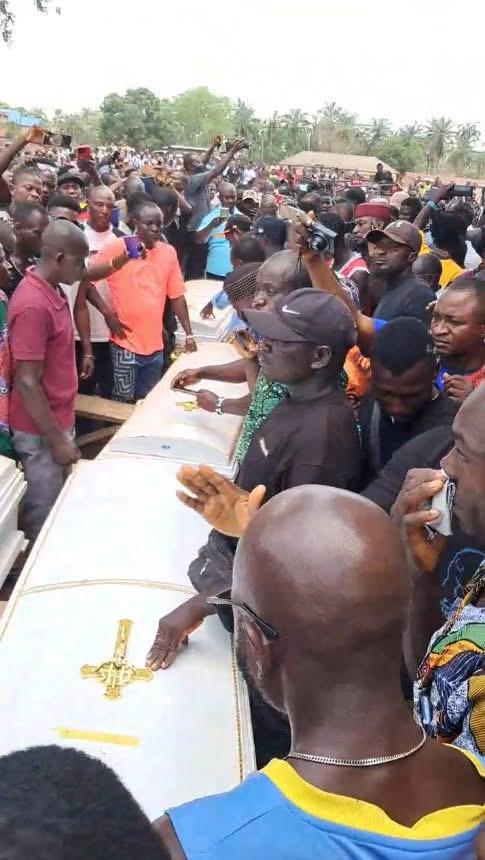
In a deeply emotional message, Chief Adiga invoked divine justice, saying, “May God Almighty remember the cry of their blood… May the Lord clean up internal and external perpetrators of evil in Akweya Kingdom.”
Regional Solidarity and Shared Grief
The Ejor Community, in an official press release signed by Elaigwu Elaigwu, stood “in solemn solidarity with the people of Akweya Kingdom,” describing the killings as “a shared wound… for all communities that value peace, dignity, and human life.”
Beyond mourning, the Ejor Community called for concrete steps to address insecurity, including: stronger local security collaboration, improved intelligence sharing, sustained government presence,and greater internal vigilance.
“Remembrance must also inspire action,” the statement emphasised, reflecting a growing sentiment that grief must translate into reform.
Similarly, the Onyuwei Community Development Association, led by Comrade Andrew Monday Ameh, lamented the “gruesome murder” of their people, calling the killings “dastardly and unwarranted.”
Voices of Reflection, Anger, and Justice
Individual voices also added depth to the day’s reflections. Professor Ted Anyebe described the killings as “a very sad chapter in the history of Akweya,” warning that perpetrators and collaborators would not escape justice.
“They should not think that they are invisible to karma and natural justice,” he said, in a strongly worded message that captured both anger and a demand for accountability.
From Maiduguri, the Akpa Youth Progressive Forum (AYPF), through its National President, Comrade Godwin Ondoma Ikam, reminded grieving families that “you are not alone in this remembrance,” while calling for unity, healing, and hope.
Communities Stand as One
Across Akweya’s social and cultural landscape, community associations echoed a unified message: solidarity. The Adim Community reaffirmed its “unwavering solidarity” and commitment to a future free from such tragedies.
The Egbla Community Development Association, through its National Secretary Benedict Agbo Onaji, extended heartfelt sympathy, praying for strength for affected families.

The Ogblo Community Development Association (OCDA) highlighted the resilience of the people, noting that the fallen heroes’ legacy “continues to inspire unity, strength, and a shared commitment to peace.”The National Association of Ogyoma Youth (NAOY) emphasised that “the pain of Otobi is our pain,” pledging continued support for justice and healing. The Ogyoma Community, in a separate message, urged collective responsibility in protecting lives while trusting in divine justice. The Allan Community, led by its National President, Comrade Agaba Ogwuche, described the murders as “the most desecrated act in Akweya land ever,” adding poignantly, “One year without them has left our sunshine a little dimmer.”
As part of the remembrance, appreciation was also extended to individuals who contributed to the burial of the victims, including Gabriel Okoliko, Chief Maurice Agor Adiga, and Mr. Kenneth ‘Kenboardman’ Ogbuja, highlighting the communal spirit that followed the tragedy.
A Call Beyond Mourning
While prayers for the departed and comfort for the bereaved dominated the tone of the day, a clear message emerged across statements: remembrance must go hand in hand with responsibility. Communities repeatedly emphasised unity, vigilance, and collaboration as essential to safeguarding Akweya’s future.
One year on, the grief remains raw—but so too does the resolve. As echoed across messages from ACDA, Ejor, Onyuwei, Ogblo, Ogyoma, Allan, Adim, Egbla, and AYPF: Akweya may mourn, but it stands together, determined that such a tragedy must never happen again.