

AkweyaTV has called on its editorial staff to prioritise accuracy, verification and responsible judgment when publishing content, warning that reckless editorial decisions could expose media organisations to legal, reputational and digital-platform risks.
The call was made during an in-house presentation titled “Publishers vs Platforms: Understanding Editorial Responsibility in the Digital Age,” delivered by AkweyaTV’s Social Media Manager, Mr. Nathan Yohanna. The session examined the difference between media publishers and digital platforms, particularly as news organisations increasingly rely on social media and other online platforms to distribute content.
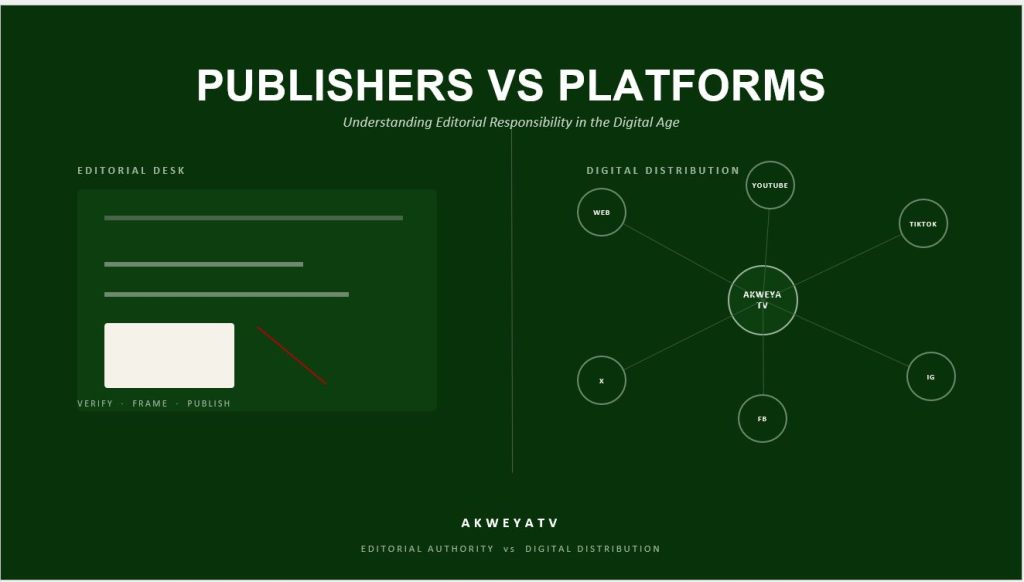
According to the presentation, AkweyaTV operates as a media publisher and editorial decision-maker, giving the organisation responsibility for determining what information is published, how stories are framed, which sources are used and whether claims have been adequately verified.
Digital platforms such as YouTube, Facebook, Instagram, TikTok and X, meanwhile, primarily provide the channels through which content is distributed to audiences.
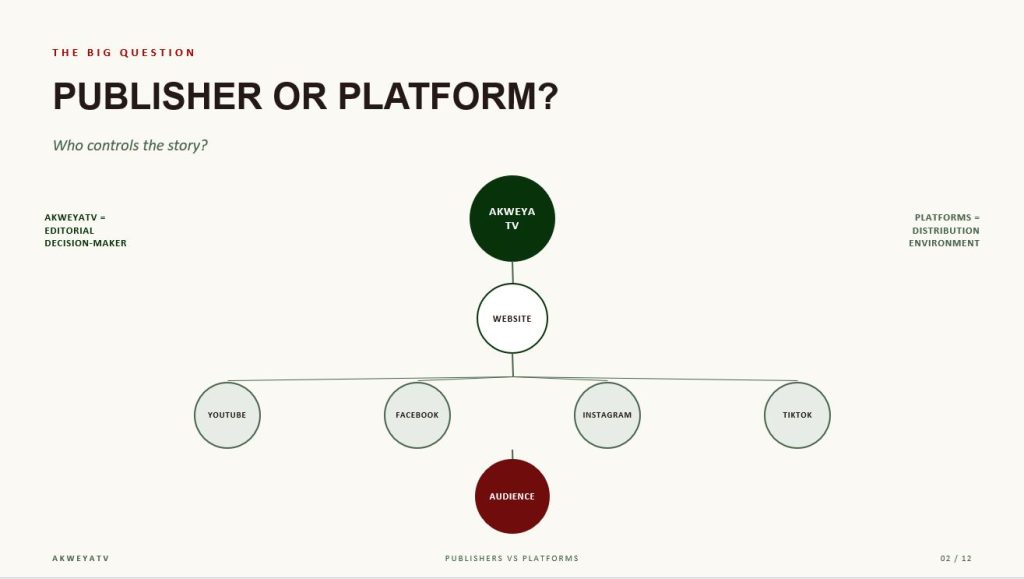
Mr. Nathan Yohanna stressed that the fact that content is available or permitted on a digital platform does not automatically make it appropriate for publication by AkweyaTV. “A platform may allow something or a text to be published, AkweyaTV should still choose not to publish,” he said.
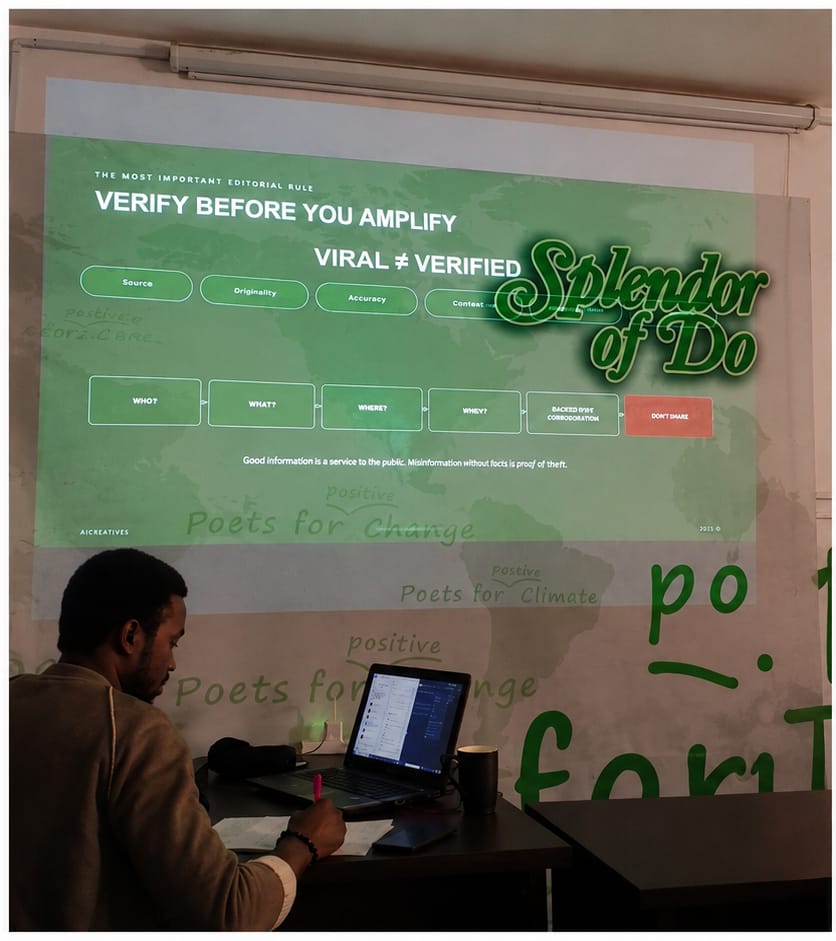
He urged staff to adopt the principle “verify before you amplify,” particularly when dealing with viral videos, WhatsApp claims, anonymous social media posts, political statements, user-generated content and AI-generated material.
The presentation noted that social media can serve as a source of information but should not, on its own, be treated as proof that a claim is accurate. Staff were encouraged to establish the source of information, verify when and where an event occurred and seek independent confirmation before publication.
Focus on Legal and Reputational Risks
The training also highlighted the risks associated with libel and slander, particularly when reports contain serious allegations against individuals or organisations. Staff were advised to ensure that claims are supported by evidence, provide relevant parties with an opportunity to respond and avoid publishing sensitive information unnecessarily.
The organisation identified accuracy, fairness, independence, privacy, public interest, copyright and transparent corrections as important elements of responsible editorial practice.
Speaking during the session, Mr. Odoh Diego Okenyodo, CEO of AkweyaTV, stressed the importance of protecting the organisation from avoidable legal and reputational consequences that could result from poorly researched or recklessly published reports. He noted that although digital platforms give AkweyaTV the opportunity to reach wider audiences, editorial responsibility remains with the organisation. The training therefore emphasised that publishing content through a digital platform does not transfer responsibility for that content to the platform.
- NARD Gives Federal Government Two Weeks To Address Doctors’ Demands
- Group Urges Urgent Action on Nigeria’s Security Policy
- Kubwa Gas Plant Fire Police Trace Blaze to Driver’s Crash
- Fun Facts Young Nigerians Should Know About Nigeria’s Independence
- GOCOP Conference Opens Wider 2027 Election Conversation
Balancing Speed With Editorial Responsibility
AkweyaTV staff were also encouraged to exercise additional caution when handling high-risk material, including serious allegations, political claims, breaking news, user-generated content, material involving children or vulnerable persons, sensitive content, AI-generated information and copyrighted material.
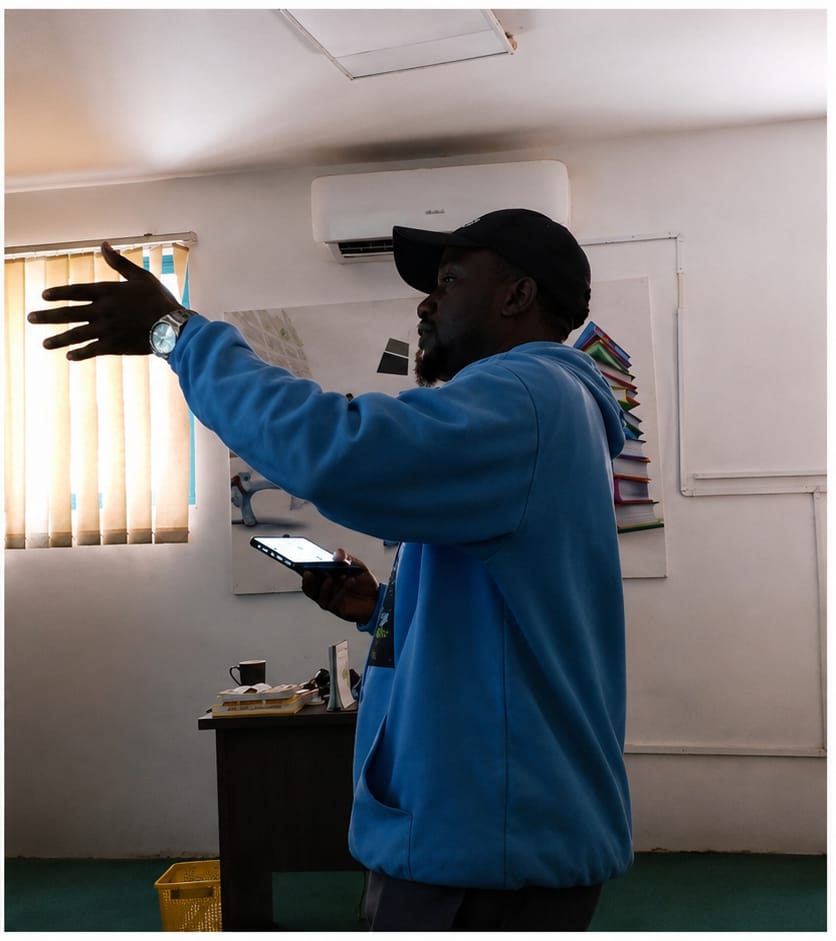
Mr. Yohanna warned that editorial standards should not be compromised in the pursuit of speed, audience engagement or viral attention. The organisation was encouraged to strengthen its internal editorial systems through clear policies covering editorial standards, verification, corrections, copyright, content management and platform compliance.
The presentation concluded that while digital platforms control aspects of distribution, algorithms, recommendations and access, AkweyaTV must retain responsibility for its own editorial judgment, accuracy, context, fairness, verification and corrections. The session ended with a call for staff to comply with digital platform rules while maintaining independent editorial standards and ensuring that the pursuit of audience engagement does not come at the expense of accurate, fair and responsible journalism.
About AkweyaTV

AkweyaTV is a media organisation committed to informing, inspiring and showcasing Africa to the world. The organisation emphasises responsible editorial decision-making, accuracy, verification, fairness and public interest while using digital platforms to distribute its content to audiences.
For more news, interviews, profiles and development stories, visit https://www.akweyatv.com/