
When water became increasingly difficult to access in Biu, particularly during the dry season, residents faced a familiar but difficult reality long journeys in search of water.
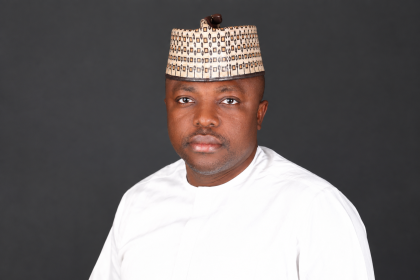
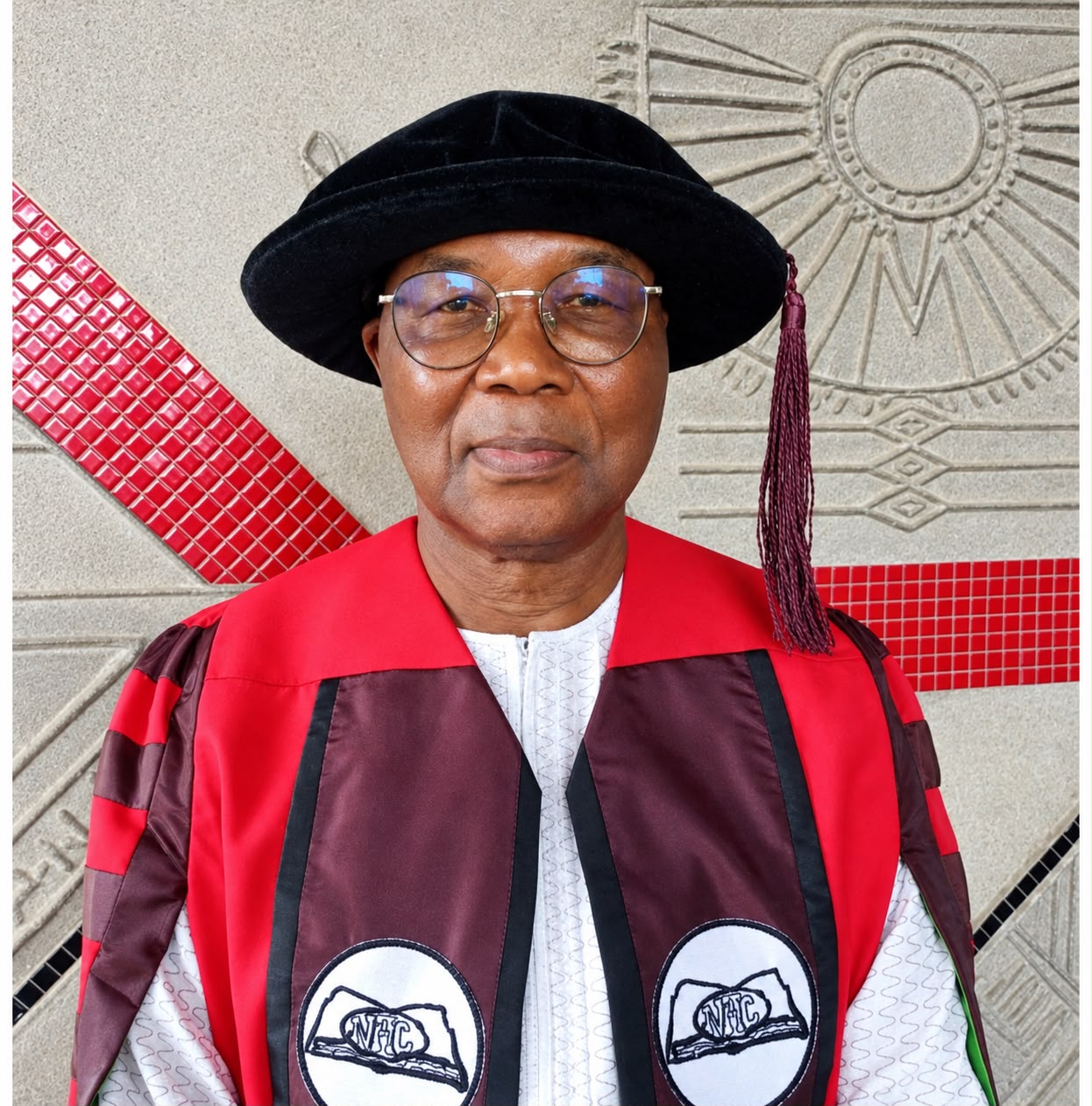
In 1992, Dr. Bukar Usman, OON, a son of Biu and later a senior Nigerian civil servant, responded by supporting the drilling of several motorised boreholes across the town and surrounding communities.
- Swiss Diplomat’s Wife Tests Positive For Ebola In Nigeria
- Farida Isiak Case Raises Press Freedom Concerns
- ISDEVCOM Delegation Pays Condolence Visit To Family Of Late Francis Duru
- Clement Nwankwo’s Fight For Human Rights And Democracy
- AEDC Announces Three-Day Power Disruption In Parts Of Abuja
Bringing Water Closer To The People
The intervention targeted areas where residents, public institutions and communities needed more reliable access to water.
Boreholes were provided in locations including Zarawuyaku, GRA Biu, the Emir’s Palace, General Hospital Biu, the Divisional Police Headquarters, Nasarawa, Biu Oil Mill, Dugja Dizza, Galdimare Primary School and Garuwashina, among others.
The idea was simple but significant, bring water closer to the people.
For residents who had previously travelled considerable distances to fetch water, particularly women and children, the boreholes helped reduce the daily burden.
More Than A Borehole Project
The significance of the intervention went beyond the physical infrastructure.
At a time when access to clean and reliable water affected household life, sanitation and public health, the projects provided practical support to communities dealing with water shortages.
Some of the boreholes have since been upgraded by communities and government agencies, while others have become less functional. According to the information compiled in August 2026, most of the identified boreholes remain functional, while those around the family house in Zarawuyaku and Dugja Dizza were no longer working.
A Contribution To Biu’s Development Story
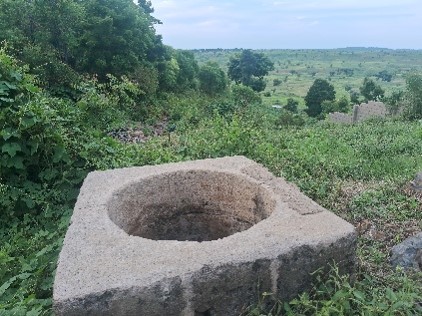
Bukar Usman’s intervention forms part of a wider history of individuals and governments responding to Biu’s water needs from the traditional wells that sustained early settlements to later government boreholes and the long running Biu Dam project.
What makes his contribution particularly notable is that it came as a private intervention aimed at addressing an immediate community need.
For Biu, the boreholes are therefore more than water points. They represent a period when an individual used his resources and influence to respond to a challenge affecting his community.
A Legacy That Deserves Documentation
More than three decades later, the story of the 1992 intervention remains relevant.
As Biu continues to grow, documenting the locations, history and present condition of these water projects could help preserve an important part of the town’s development story.
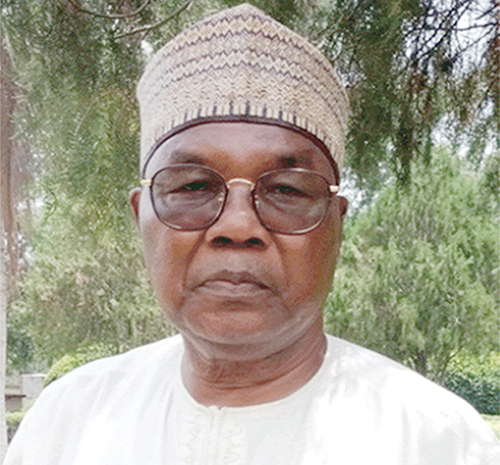
For Bukar Usman, the intervention adds another dimension to a life already associated with public service, writing and cultural preservation.
His contribution to water supply demonstrates that community service can take different forms sometimes through public office, sometimes through scholarship, and sometimes through something as fundamental as helping people gain access to water.
For more stories, updates and information: https://www.akweyatv.com/