

By: Praise Otor Peters
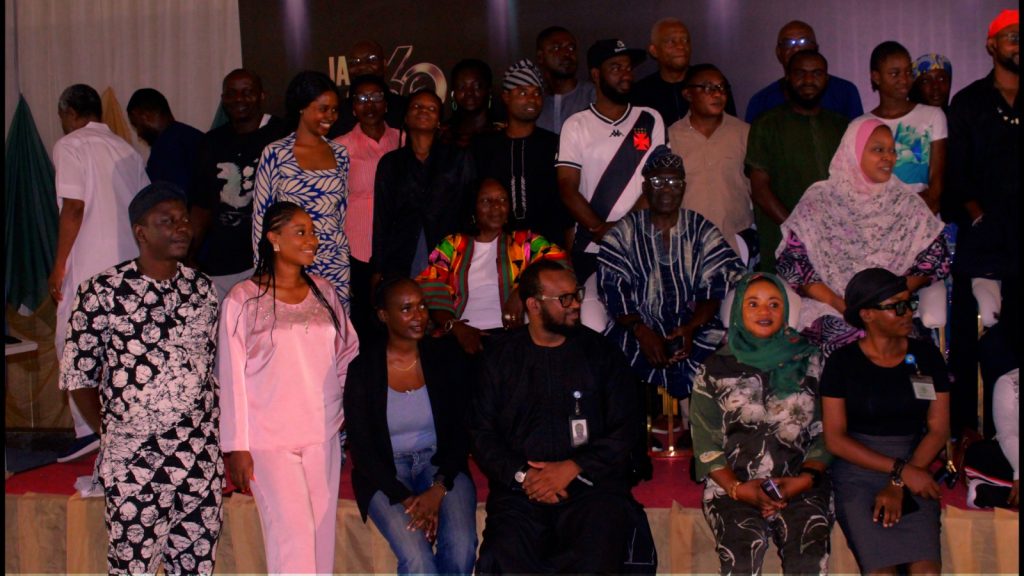
ABUJA — Veteran activist and social commentator, Comrade Jaye Gaskia, has challenged Nigeria’s progressive movements to move beyond protest and criticism and develop practical strategies for engaging with political power to drive democratic and social transformation. Gaskia made the call during a conference held at Top Rank Galaxy Hotel, Abuja, from 9:00 a.m. to 2:30 p.m., as part of activities marking his 60th birthday. The conference brought together activists, labour leaders, academics, civil society organisations, youth representatives and development practitioners to reflect on Nigeria’s democratic journey, the history of popular struggles and the challenges facing contemporary movements. A major highlight of the event was the launch of The Essential Jaye Gaskia Reader: Ideas, Movements and Social Transformation, a more-than-500-page collection documenting Gaskia’s writings, speeches and public interventions spanning decades of activism.
Gaskia Calls for New Approach to Political Power
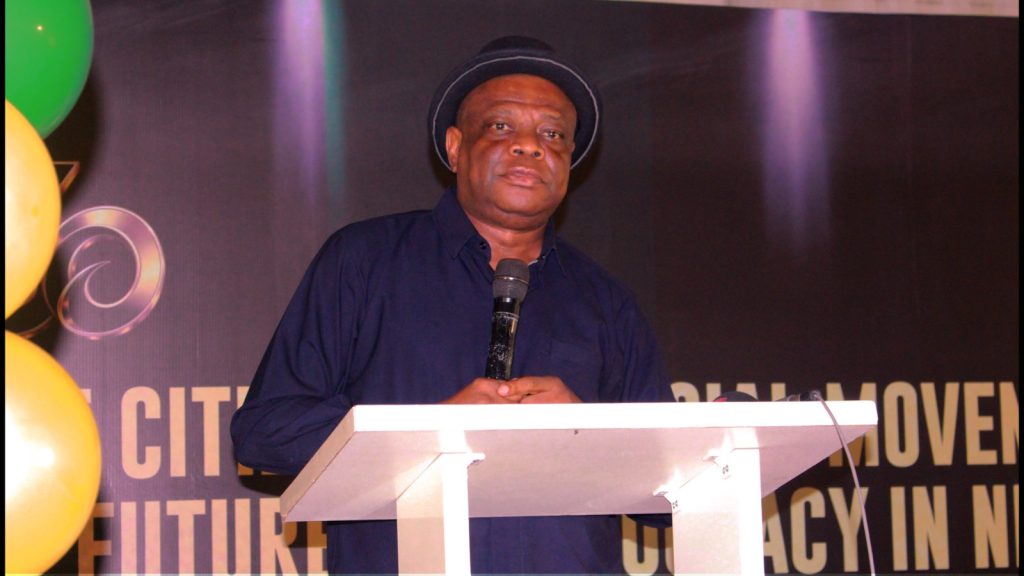
Speaking at the event, Gaskia argued that although the Nigerian left had played important roles in the independence struggle, opposition to military rule and pro-democracy campaigns, it had not done enough to translate its activism into political power. He challenged activists to examine how political forces on the right had adopted strategies previously associated with the left and urged progressive movements to rethink their approach to political participation. According to him, the central question for activists should now be how political power can be acquired and transformed to serve the interests of society in the 21st century. Gaskia also cautioned against simply reproducing strategies developed during earlier revolutionary periods, stressing that every generation must develop approaches suited to the realities of its time. “We cannot be Marxists for the time of Karl Marx, Marxists for the time of Lenin, Marxists for the time of Che Guevara,” he said, emphasising the need for contemporary movements to adapt their ideas and strategies. He further called for deliberate investment in leadership development and mentorship, noting that sustainable social transformation requires a new generation of leaders equipped to take responsibility for the future.
Speakers Seek Stronger Intergenerational Alliances
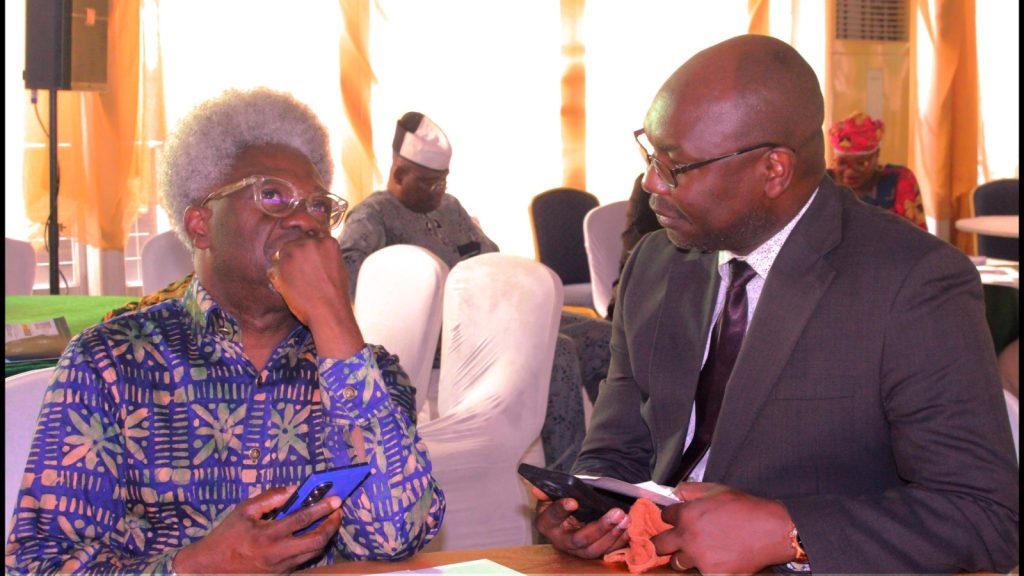
Other speakers at the conference also called for broader cooperation among established activists, civil society organisations, political actors and young Nigerians. Dr. Tunde Ibuzeor proposed what he described as a “fourth scenario”, involving strategic alliances between activists and people outside the traditional left to improve participation in political processes and access to political power. He argued that sections of the Nigerian left made a strategic error in 1999 by largely staying away from electoral politics. Similarly, Cynthia Amadu of YIAGA Africa stressed the need to strengthen connections between older activists and younger generations. She noted that young Nigerians increasingly use digital platforms to organise, mobilise and express dissatisfaction with government policies, but said online mobilisation is not always translated into sustained political action. Amadu urged older activists to deliberately engage younger people, transfer institutional knowledge and create stronger bridges between established movements and emerging youth-led initiatives.
Trust Deficit Threatens Democratic Confidence
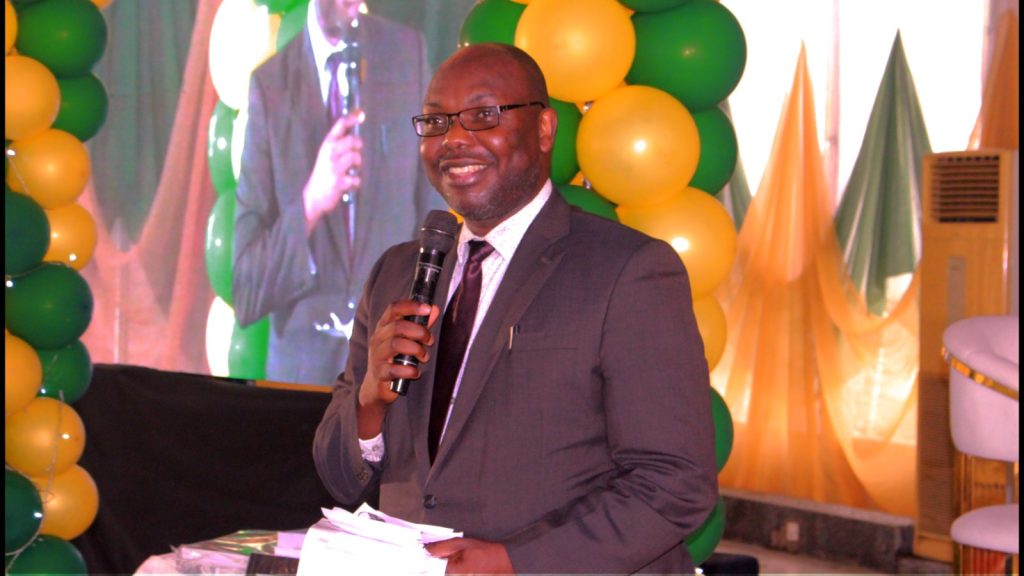
The conference also examined the relationship between citizens and government, with participants identifying a significant trust deficit as one of the challenges confronting Nigeria’s democracy. Speakers stressed that restoring public trust would require more than political speeches or government promises, arguing that confidence in public institutions is built through citizens’ everyday experiences. Credible elections, effective public services, accountability, functioning institutions and the fulfilment of government commitments were identified as key factors in rebuilding public confidence. One participant described trust as a “living experience,” noting that citizens are more likely to trust government when they see public projects completed, public facilities functioning, complaints addressed and electoral choices respected. Participants warned that continued failure to meet citizens’ expectations could increase political disengagement and weaken democratic legitimacy.
Citizens Urged to Move Beyond Complaints
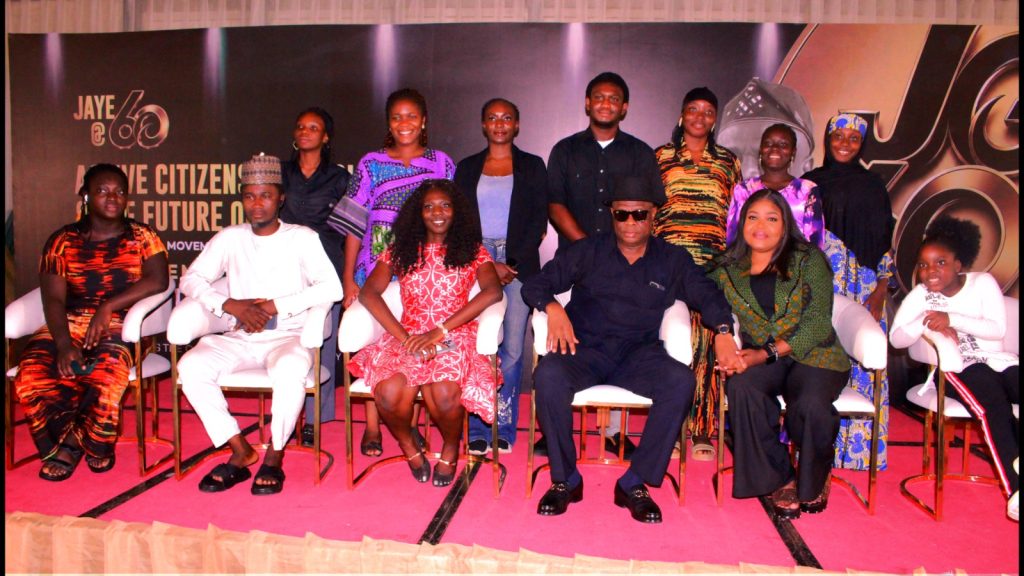
The discussions also placed emphasis on the responsibility of citizens to become more active participants in governance. A participant shared an experience of using photographs, formal complaints and media engagement to draw government attention to poor road construction in Abuja, saying the intervention eventually contributed to the completion of the affected road. The example was contrasted with other challenges, including water shortages, flooding and development around drainage channels, where citizens often complain individually without organising collectively to demand solutions. Speakers therefore urged citizens to document problems, engage relevant authorities, work collectively and use available channels to demand accountability. As one speaker put it, “It is not sufficient for us to just sit down and lament.”
- Activists, Labour Leaders, Civil Society Groups Call for New Strategies to Deepen Nigeria’s Democracy
- Nigeria’s Public Finance System Tracks Spending Better Than Results, Athena Centre Report Finds
- DEVELOPMENT INSIGHTS MORNING BRIEF, 21 AUGUST 2026
- Nigeria’s State Police Debate Takes a Shocking Turn as Experts Warn of Decentralised Abuse
- Experts Warn Against Decentralising Impunity as Nigeria Weighs State Police
Book Documents Decades of Activism
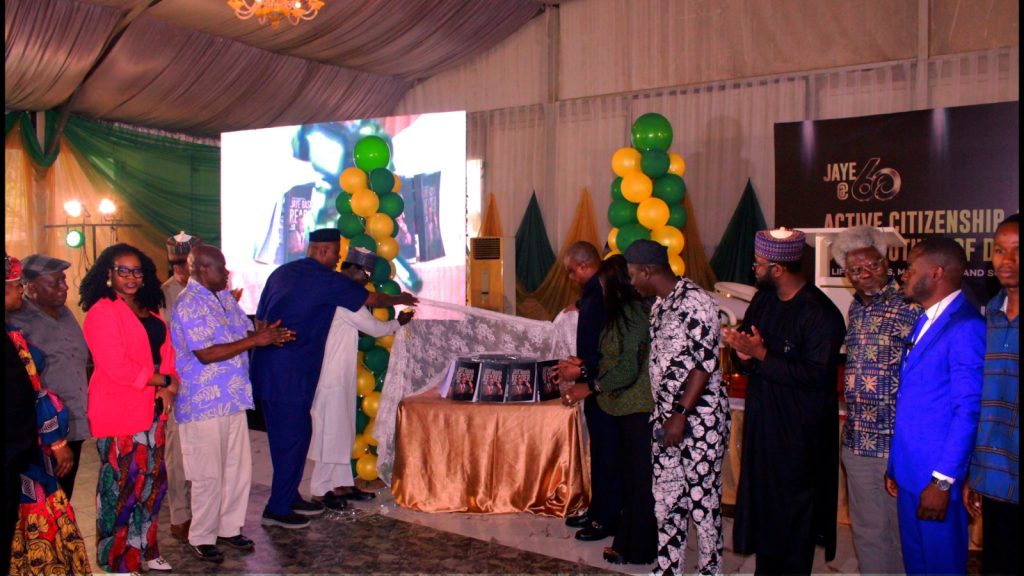
The launch of The Essential Jaye Gaskia Reader provided another major focus of the conference.
The publication is divided into eight sections covering political philosophy, democracy, resistance, social movements, labour, citizenship, nation building, governance, environmental justice, the Niger Delta, peacebuilding and the prevention and countering of violent extremism. A review presented on behalf of the DG of the Institute for Peace and Conflict Resolution described the book as both a historical record and a practical resource for activists, researchers, students and policymakers. The reviewer noted that the publication combines theoretical analysis with Gaskia’s decades of practical experience in activism and public engagement. The book also traces the development of Gaskia’s thinking, from reflections on politics and society to questions surrounding organising, political participation and the transformation of state power.
Organisations Support Publication
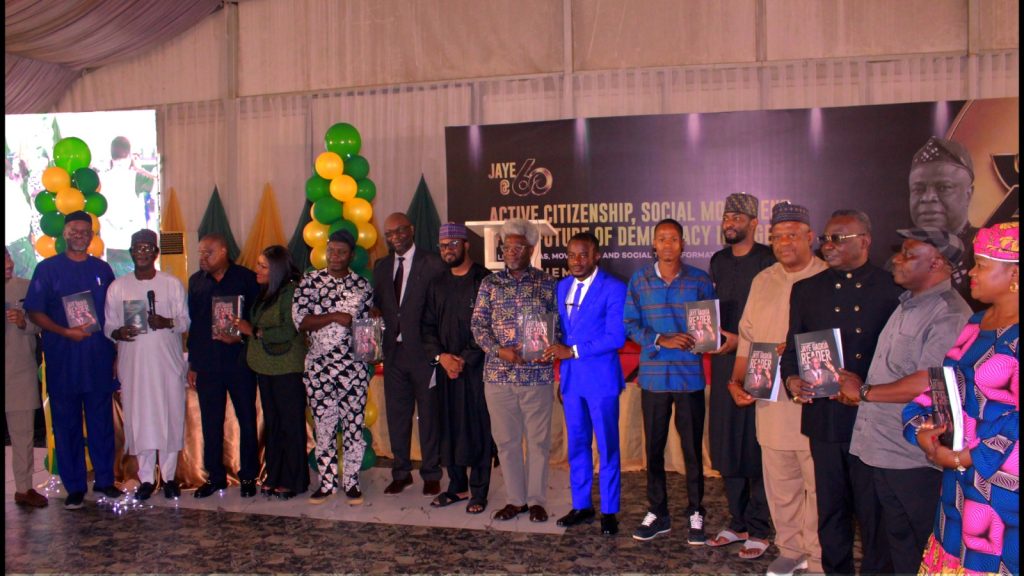
The book launch also attracted financial support from individuals and organisations that purchased copies in support of the project. The Nigerian Labour Congress announced plans to acquire three copies, while YIAGA Africa, WANEP, the Peacebuilding Development Council and other civil society organisations also pledged support through the purchase of copies. Several individuals also made personal contributions, with some purchasing copies above the stated cover price in recognition of Gaskia’s contribution to Nigeria’s democratic and social movements.
A Call to Turn Mobilisation Into Change
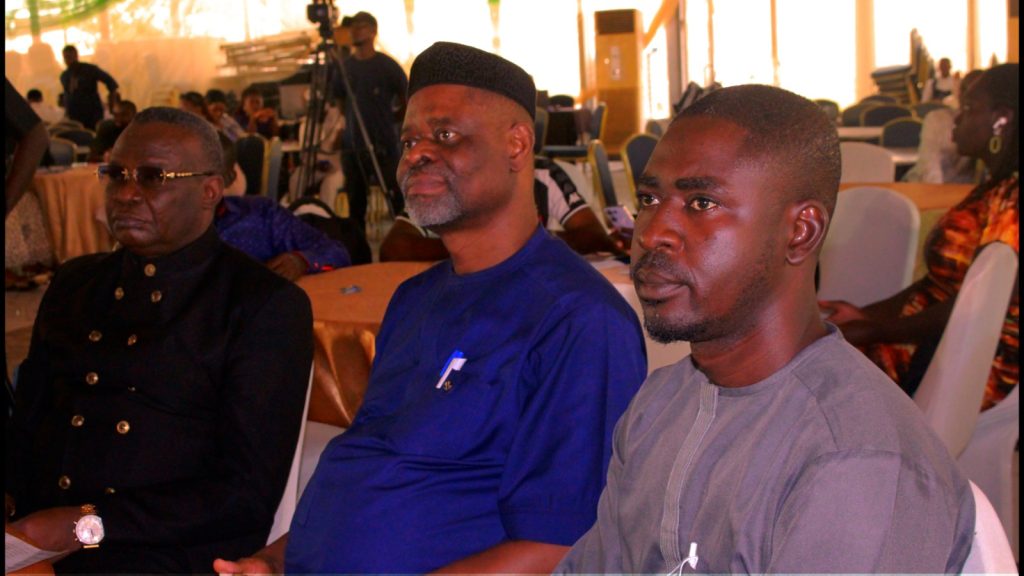
Beyond the birthday celebration and book launch, the conference served as a broader reflection on the future of Nigeria’s progressive movements. Participants acknowledged the country’s history of student activism, labour struggles, pro-democracy campaigns and civil society mobilisation, but stressed that protest and mobilisation alone cannot guarantee lasting political change. They called for stronger leadership, political education, institutional memory, strategic organisation and sustained programmes capable of translating moments of popular mobilisation into meaningful democratic outcomes. For Gaskia, the responsibility ultimately rests with each generation to understand the realities of its time, identify its mission and organise to fulfil it.