

Stakeholders say decentralising policing must not become decentralising impunity, political repression or human rights abuses
By Aishat Omowumi Yekeen
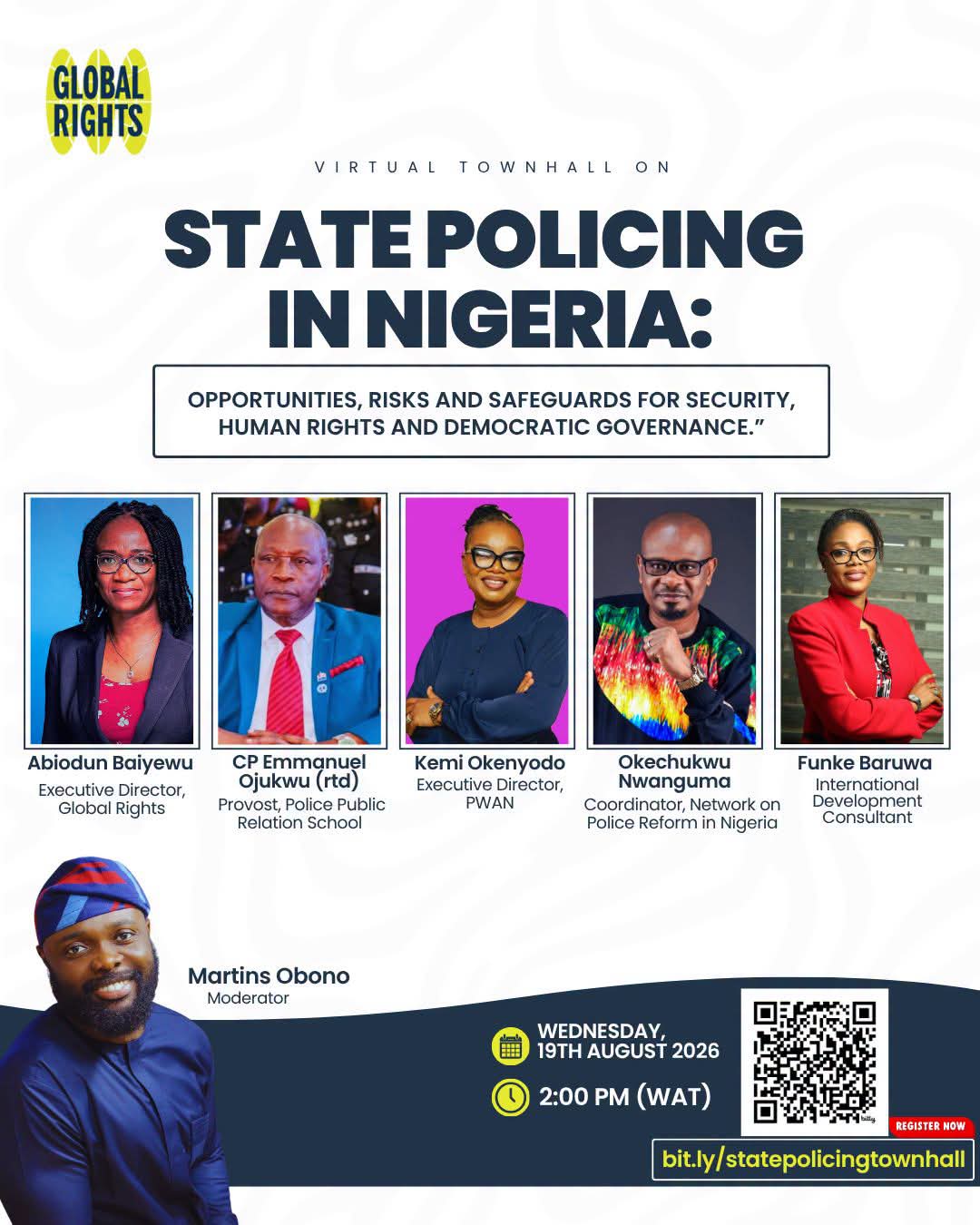
ABUJA, August 19, 2026 — Experts and civil society actors have cautioned the Nigerian government against rushing the establishment of state police, warning that transferring policing powers from the federal government to the states without adequate safeguards could deepen political repression, human rights violations and institutional dysfunction. The warning was issued on Wednesday during a virtual town hall organised by Global Rights on the theme, “State Policing in Nigeria: Opportunities, Risks and Safeguards for Security, Human Rights and Democratic Governance.”

Martins Obono, moderator of the Global Rights virtual town hall on state policing in Nigeria.
The session was moderated by Martins Obono and featured contributions from Abiodun Baiyewu, Executive Director, Global Rights; Dr. Emmanuel Ojukwu (CP, rtd.); Professor Chidi Odinkalu; Kemi Okenyodo, Executive Director,PWAN; Funke Baruwa, International Development Consultant; and Okechukwu Nwanguma, Coordinator, Network on Police Reform in Nigeria. The discussion focused on whether state police would provide a genuine response to Nigeria’s insecurity or merely transfer existing weaknesses and abuses within the policing system from the federal level to the states.
Baiyewu: State police must not become another tool for political control
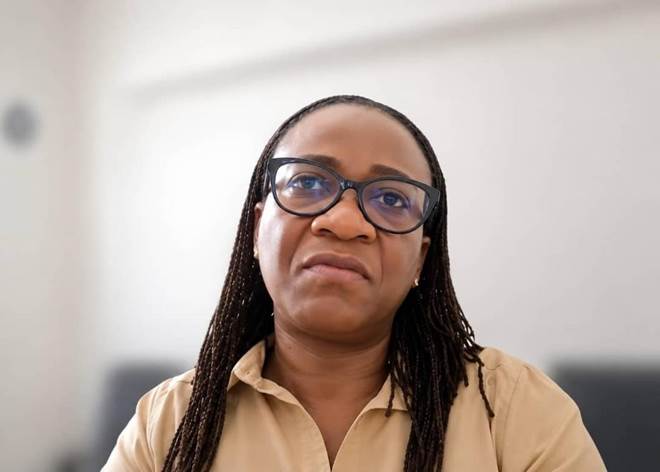
Abiodun Baiyewu, Executive Director, Global Rights.
Opening the discussion,++Abiodun Baiyewu questioned whether Nigeria’s existing governance institutions were sufficiently prepared to support a state-controlled police system. She argued that the debate should go beyond the question of whether policing should be decentralised and examine the institutional environment in which state police would operate. Baiyewu warned that transferring coercive powers to governors without adequate accountability, independence and oversight could create another avenue for political abuse.
She also stressed the need to distinguish between community policing and state policing, noting that bringing policing closer to communities does not necessarily require placing the entire police structure under the control of state governments. According to her, Nigeria must address the wider governance and human-security problems contributing to insecurity rather than expecting the police alone to solve them.
Ojukwu: Training and welfare must come first
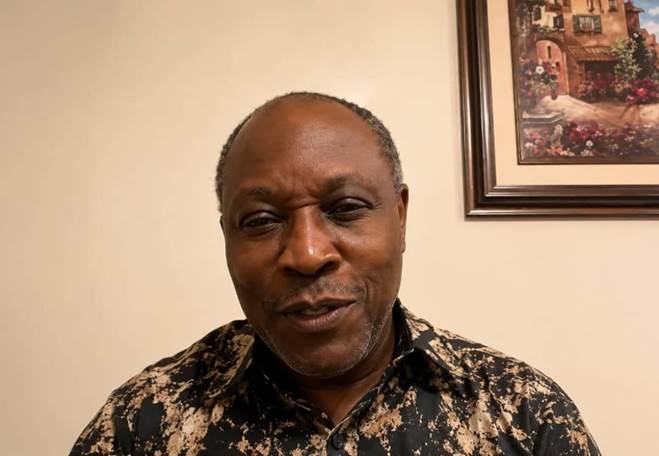
Dr. Emmanuel Ojukwu (CP, rtd.), contributor to the discussion on state policing.
Retired Commissioner of Police Dr. Emmanuel Ojukwu placed training and police welfare at the centre of any proposed restructuring of the country’s policing system. Drawing from his experience in the Nigeria Police Force, Ojukwu said professional policing could not be achieved simply by creating new institutions, issuing uniforms or providing weapons. He recalled the poor condition of some police training institutions and argued that the quality of policing would depend heavily on the quality of training officers receive.
He said officers must be properly trained in arrest procedures, investigation, management of persons in custody, use of police powers and other aspects of police work. Ojukwu also highlighted the welfare of police officers, including salaries, accommodation, healthcare and retirement benefits, arguing that poor working conditions can undermine professionalism and expose officers to corruption and abuse.
He further raised concerns about the fate of the existing Nigeria Police Force if state police is established, noting that the force has more than 200,000 personnel who would have to be properly accommodated within any new policing architecture.
Odinkalu: Police is a law-enforcement agency, not a solution to insecurity

Professor Chidi Odinkalu, contributor to the town hall discussion.
Professor Chidi Odinkalu urged Nigerians to properly distinguish between policing and national security. He argued that the police is fundamentally a law-enforcement institution whose work involves investigating crime, enforcing the law and ensuring that legal processes are followed. According to him, Nigeria’s insecurity has deeper governance-related causes that cannot be solved simply by creating additional police structures.
- Akweya Alphabet Series: Words With The Letter GB
- Teachers’ Day: CHRCR Urges Kogi State To Recruit More Teachers, Improve Transport
- Akweya Alphabet Series: Words From Letter G
- Akweya Alphabet Series: The Letter E
- Akweya Alphabet Series: Words With The Letter D
Odinkalu also questioned whether citizens had been adequately involved in determining what kind of policing system Nigeria actually needs. He warned that without adequate financing, training and institutional safeguards, state police could simply reproduce existing dysfunction at the state level. He described fiscal capacity as a major concern, particularly for states that already struggle to meet basic obligations such as paying workers and funding public services. Rather than rushing into the creation of state police, Odinkalu called for serious consideration of the country’s fiscal and institutional capacity.
Okenyodo outlines safeguards against political and ethnic capture

Kemi Okenyodo, Executive Director of PWAN, during the discussion on state policing in Nigeria.
Kemi Okenyodo, Executive Director of PWAN, identified political capture as one of the major risks that must be addressed before state police becomes operational. She argued that state police recruitment must reflect the diversity of the communities being policed. According to her, state police must not become an “indigenous” security structure dominated by a particular ethnic or religious group. She called for adequate representation of minorities, women and persons with disabilities within the policing structure. Okenyodo also stressed the importance of proper remuneration, healthcare, education and retirement benefits for police officers. She argued that protecting the welfare and dignity of police personnel should form part of the safeguards against corruption and abuse. Beyond the police itself, she called for stronger oversight by state Houses of Assembly and effective monitoring by institutions such as the National Human Rights Commission. She questioned why existing institutions with relevant legal mandates were not playing a more prominent role in the state-policing debate.
Baruwa: Decentralisation must not mean decentralisation of impunity

Funke Baruwa, International Development Consultant.
Funke Baruwa, International Development Consultant, said state policing should not simply amount to transferring the existing command-and-control model from Abuja to state capitals. She argued that a genuine decentralised policing system should include operational independence, accountability, professional autonomy and meaningful community participation. Baruwa warned that placing coercive powers directly under governors without adequate safeguards could turn state police into instruments of political control. She said the issue was particularly important as Nigeria approaches the 2027 general elections, when concerns about political intimidation, suppression of dissent and electoral abuse could become more pronounced. She urged policymakers to build a state-policing system that is “fit for purpose” rather than treating state police as a quick solution to every security problem. Her central warning was that Nigeria must ensure that decentralisation of policing does not become decentralisation of human rights violations.
Nwanguma: Implement existing police reforms before creating new structures
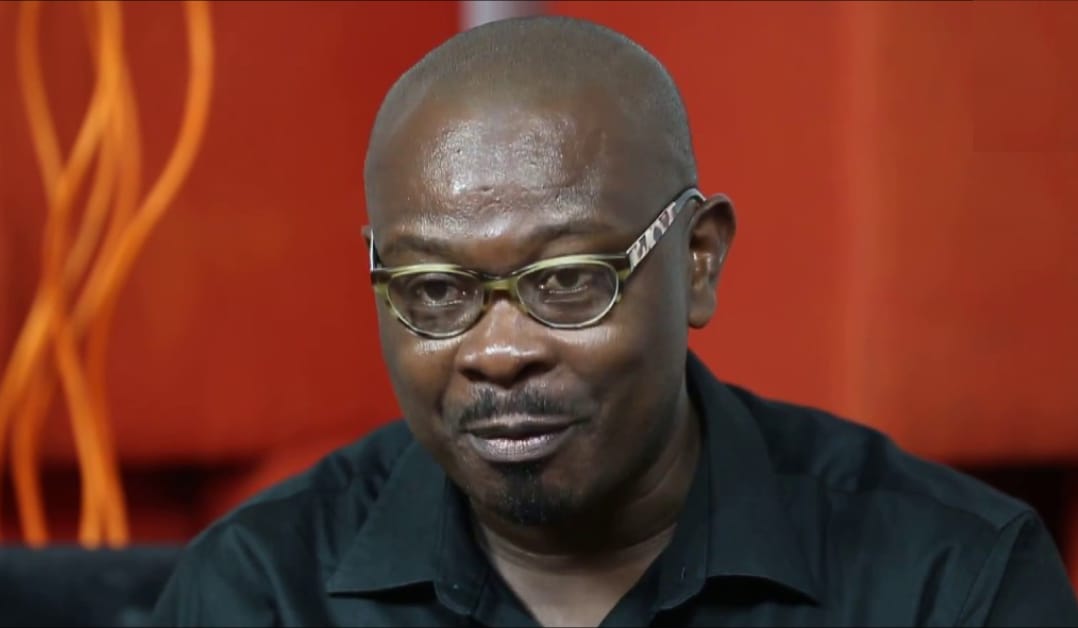
Okechukwu Nwanguma, Coordinator, Network on Police Reform in Nigeria.
Okechukwu Nwanguma, Coordinator of the Network on Police Reform in Nigeria, questioned the rationale for creating state police when several existing police reforms have yet to be fully implemented. He pointed to the Police Act 2020, which provides for reforms aimed at improving professionalism, accountability, community participation and aspects of decentralised decision-making within the police. According to Nwanguma, Nigeria’s major problem is not a shortage of progressive laws or reform proposals, but the failure to implement them.
He warned that creating state police without first addressing impunity and unchecked political power could simply amount to decentralising dysfunction. Nwanguma also expressed concern about the limited public access to the proposed constitutional and legislative documents underpinning the state-policing initiative. He argued that Nigerians should be able to examine the actual proposals before decisions are made on such a fundamental restructuring of policing.
Concerns over overlapping jurisdictions
The panel also examined possible conflicts between federal and state police and other lawenforcement agencies. Participants warned that unclear jurisdiction could produce conflicts between federal and state police, particularly where offences have implications beyond individual states. Okenyodo noted that several federal agencies already have specialised law-enforcement responsibilities, including the Economic and Financial Crimes Commission, the Independent Corrupt Practices and Other Related Offences Commission and the Nigeria Security and Civil Defence Corps. She called for clearly defined mandates and warned against broad provisions that could create competing claims of authority.
Community policing is not the same as state policing
The discussion also drew a distinction between community policing and state policing. Ojukwu explained that community policing is a method of policing that involves communities in identifying local security problems and working with police authorities to address them. It does not necessarily require the creation of an entirely separate state police force. Participants also raised concerns about existing vigilante and community security structures in different states, warning that the relationship between such groups, state police and the federal police would need to be clearly defined.
Calls for transparency and public participation
The panel urged the government to make the proposed legislation and constitutional amendments available for public scrutiny. Baruwa called on civil society organisations, the media and citizens to move beyond simply supporting or opposing state police and instead engage directly with the proposed legal and institutional framework. She called for transparent recruitment, institutional-readiness assessments, human-rights standards and mechanisms for monitoring state police once established. Participants also urged stakeholders to develop specific safeguards against the misuse of policing powers during elections.
Odinkalu questions the timing of the reform
In his closing contribution, Professor Odinkalu questioned the timing of the proposed state-policing reform, particularly with the 2027 elections approaching. He argued that there was no need to rush such a fundamental restructuring of Nigeria’s policing system during an election cycle. He advocated for a more comprehensive national consultation after the 2027 elections, involving citizens, civil society, lawmakers, security professionals and other relevant stakeholders. According to him, the central question is not simply whether Nigeria needs state police, but whether the country is prepared to establish the financing, training, accountability and institutional safeguards required to make it safe and effective.
Emerging consensus
Although panelists differed on whether Nigeria should ultimately proceed with state police, a broad consensus emerged that decentralisation alone cannot solve Nigeria’s policing and security challenges. Speakers agreed that any state-policing system must be professionally trained, adequately funded, operationally accountable, representative of the communities it serves and protected from political capture. The discussion therefore shifted from the simple question of “Do we need state police?” to a broader question: “What kind of policing system does Nigeria want, and what safeguards must be in place before it is created?” As the Global Rights town hall concluded, one warning remained central to the discussion: Nigeria must not decentralise policing in a way that merely decentralises impunity.