
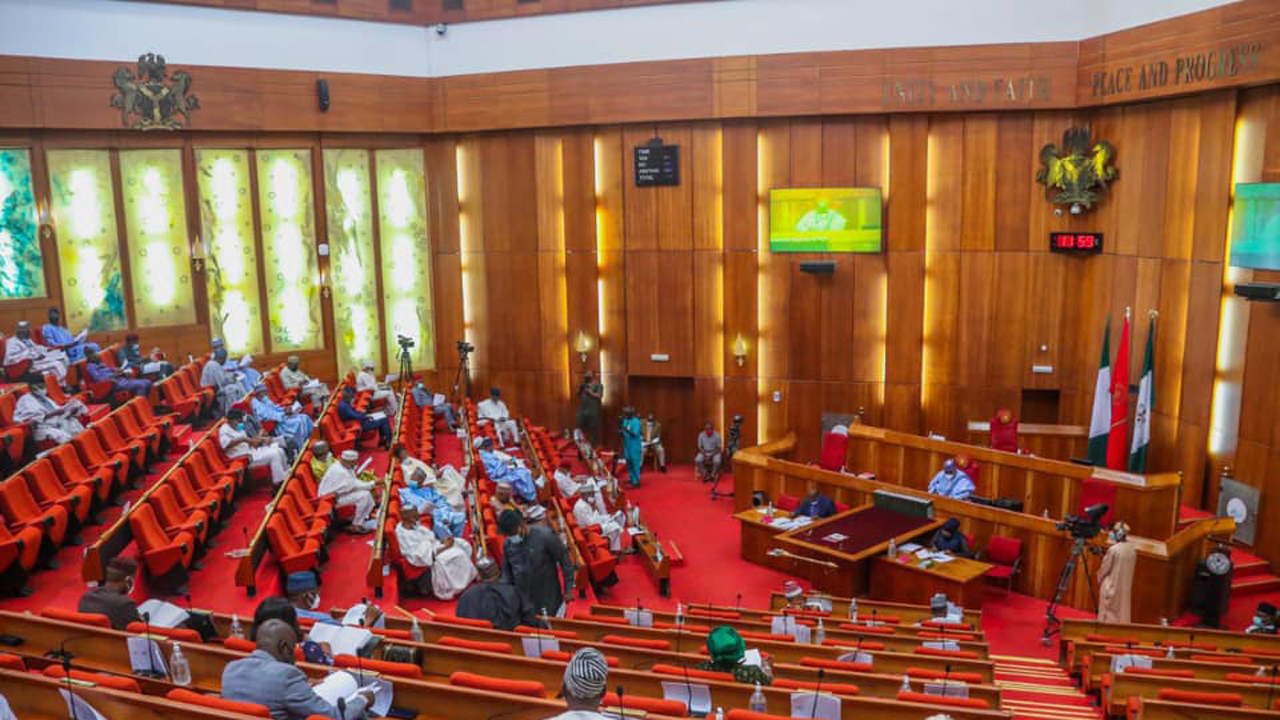

Nigeria’s non-governmental organisation (NGO) sector is facing increased scrutiny following investigations into foreign funded programmes and moves by the National Assembly to strengthen oversight of foreign aid.
NGOs have long played an important role in healthcare, education, humanitarian response, human rights and community development, particularly in areas where government services are limited.
However, recent developments have raised questions about how donor funds are managed and how much government oversight is appropriate.
- Transport Fares Rise by 30% in Abuja, Neighbouring States
- Nigeria’s Young Tech Stars Get Rewarded
- 1,130 Children Receive Life-Changing Support
- Foreign Aid Investigation Sparks Debate Over NGO Accountability
- DEVELOPMENT INSIGHTS MORNING BRIEF, 15 SEPTEMBER 2026
EFCC FBI Probe US Funded Programmes in Nigeria
The Economic and Financial Crimes Commission (EFCC) and the United States Federal Bureau of Investigation (FBI) are investigating alleged financial irregularities involving funds from U.S. supported programmes in Nigeria.
The probe followed the termination of some USAID-supported programmes in 2025, with particular attention on funds linked to HIV and tuberculosis interventions.
FBI Assistant Law Enforcement Attaché Marcus Maccain said the investigation would examine how the funds were managed after the programmes ended.
“We are seeking stronger engagement with the EFCC to establish how the funds were managed and identify possible financial misconduct,” Marcus Maccain said.
The EFCC has also said it would trace the funds and determine whether they were used for their intended purposes.
The investigation, however, does not mean the wider NGO sector has been found guilty of wrongdoing.
Senate Proposes Tighter Foreign Aid Rules
The development comes as the Senate considers the Foreign Aid (Regulation, Coordination, Transparency and Disclosure) Bill, 2026.
Sponsored by Senator Ibrahim Hassan Dankwambo, the bill passed second reading in July and seeks greater transparency in the management of foreign assistance.

Among its proposals are mandatory registration of foreign aid, a national database of donor funded projects, disclosure of funding information and better coordination with national development plans.
Senator Ibrahim Hassan Dankwambo said Nigeria needs a stronger framework to coordinate foreign assistance.
“The problem is not the absence of institutions, but the absence of a binding legal framework that coordinates them,” he said.
The bill is not yet law and has been referred to Senate committees for further consideration.
Civil Society Raises Concerns
While lawmakers say stronger oversight is necessary, some civil society organisations fear the proposed regulations could place excessive restrictions on independent organisations.
Human rights groups have called for the bill to be withdrawn, arguing that registration, reporting and government oversight requirements could affect the independence of organisations working on human rights, governance and accountability.
The Nigeria Network of NGOs has also raised concerns about possible duplication of existing regulatory requirements.
Civil society groups maintain that they support transparency but want any new framework to protect the independence of legitimate organisations.
Finding The Balance
The debate has also drawn attention to how NGOs spend donor funds, including money used for staff, administration, monitoring, travel and other operational costs.
Such expenses are not, by themselves, evidence of financial misconduct. However, the current scrutiny has increased calls for organisations to provide clearer information about their funding, spending and impact.
For NGOs working in conflict affected and hard to reach communities, stronger accountability must also be balanced with the flexibility needed to respond to emergencies.
As the debate continues, the key challenge for Nigeria will be finding a regulatory framework that protects donor funds and strengthens accountability without restricting legitimate civic action.
For the NGO sector, the message is increasingly clear transparency and measurable impact will remain central to public trust.
For more stories, information and updates, visit AkweyaTV: https://www.akweyatv.com/




