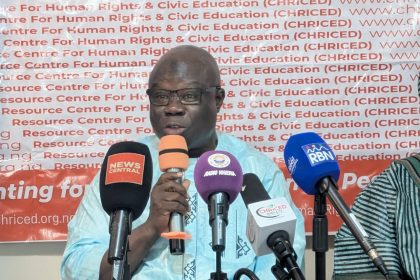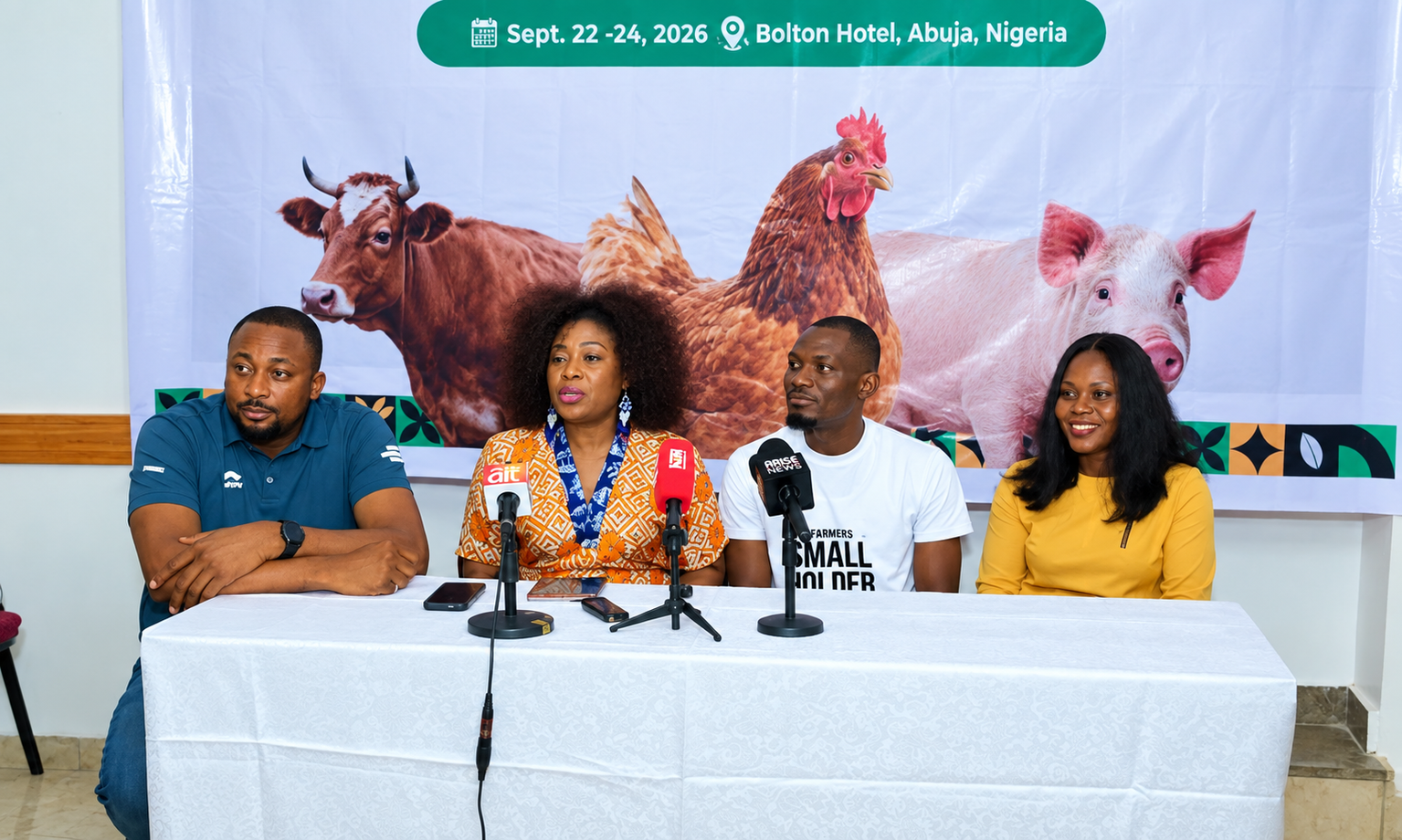

A coalition of civil society organisations, farmers and pastoralist groups has called for greater transparency over the proposed $2.5 billion livestock investment involving Brazilian meat processing company JBS.
The groups made the demand after a three-day strategy workshop on industrial livestock production held in Abuja from September 22 to 24, 2026.
The coalition said Nigerians should have access to key documents relating to the proposed investment, including the Memorandum of Understanding (MoU), contracts, land allocation arrangements, financing terms, government incentives and information on the beneficial ownership of private investment vehicles linked to the project.
- Community Leaders Help Drive Vaccine Uptake In Kano
- CISLAC Calls For Citizen Focused Approach To Security And Governance
- SEKI-Plomacy Targets 900 Cultural Festivals Across Niger Delta
- CSOs Demand Transparency Over JBS $2.5bn Livestock Investment
- Student Group Announces New Send-Forth Date, Sets October 10 for Elections
Groups Seek Independent Environmental Assessment
The organisations also called for comprehensive and independent Environmental and Social Impact Assessments before further land allocation, approvals or construction linked to the proposed investment.
According to the coalition, large-scale livestock production could affect land, water resources, grazing areas, local livelihoods and surrounding ecosystems.
It said these potential impacts should be properly assessed before major decisions are taken.
The groups also called for meaningful consultation with farmers, pastoralists, women, young people, affected communities and civil society organisations.
They said communities whose land or livelihoods could be affected should have a say in decisions concerning the project, including the application of free, prior and informed consent where applicable.
Concerns Over Land, Water And Livelihoods
The coalition said access to land, markets, waterways and groundwater remains critical to farmers and pastoralists.
It therefore urged the government to put enforceable safeguards in place to prevent the investment from increasing pressure on communities that depend on these resources.
The groups also called for animal welfare and public health to be considered as part of any livestock-sector reforms associated with the investment.
They urged the government to ensure that the project aligns with Nigeria’s commitments on climate change, biodiversity and open government.
The coalition further called for transparent budgets, effective grievance mechanisms and independent monitoring involving civil society organisations.
CSOs Raise Wider Food Security Questions
Beyond the proposed JBS investment, the groups raised concerns about the direction of Nigeria’s food system.
They argued that smallholder farmers, pastoralists and other local producers already play an important role in food production and should not be displaced by large scale industrial expansion.
The coalition called for greater support for agroecology, indigenous seeds and resilient local food systems.
It said food security should be considered not only in terms of the volume of food produced, but also who benefits from the food system and whether local producers can continue to participate in it.
Groups Cite Concerns About JBS’s Global Operations
The coalition also raised concerns about reports and allegations relating to JBS’s operations in other countries, including issues around deforestation, labour and land rights and changes to some of the company’s human rights commitments.
The groups said Nigeria should examine lessons from JBS’s experience in other markets, including Australia, as it considers the proposed investment.
These concerns were presented by the coalition as reasons for greater scrutiny of the proposed project.
Groups Call For Openness And Accountability
The coalition stressed that increasing livestock production alone would not automatically guarantee food security.
It said the government and other stakeholders should also consider how benefits would be distributed, how resources would be managed, and how farmers, communities and the environment would be protected.
“Transparency is not optional. It is the foundation of food security,” the coalition said.
The groups called for public accountability and meaningful participation by farmers, pastoralists, women, youth, communities and other food producers before major decisions are taken.
They said any major investment in Nigeria’s livestock sector should protect livelihoods, support local food systems, safeguard the environment and ensure that communities potentially affected by the project are involved in decisions concerning their future.