
DRASA Calls for Stronger Hospital Infection Prevention

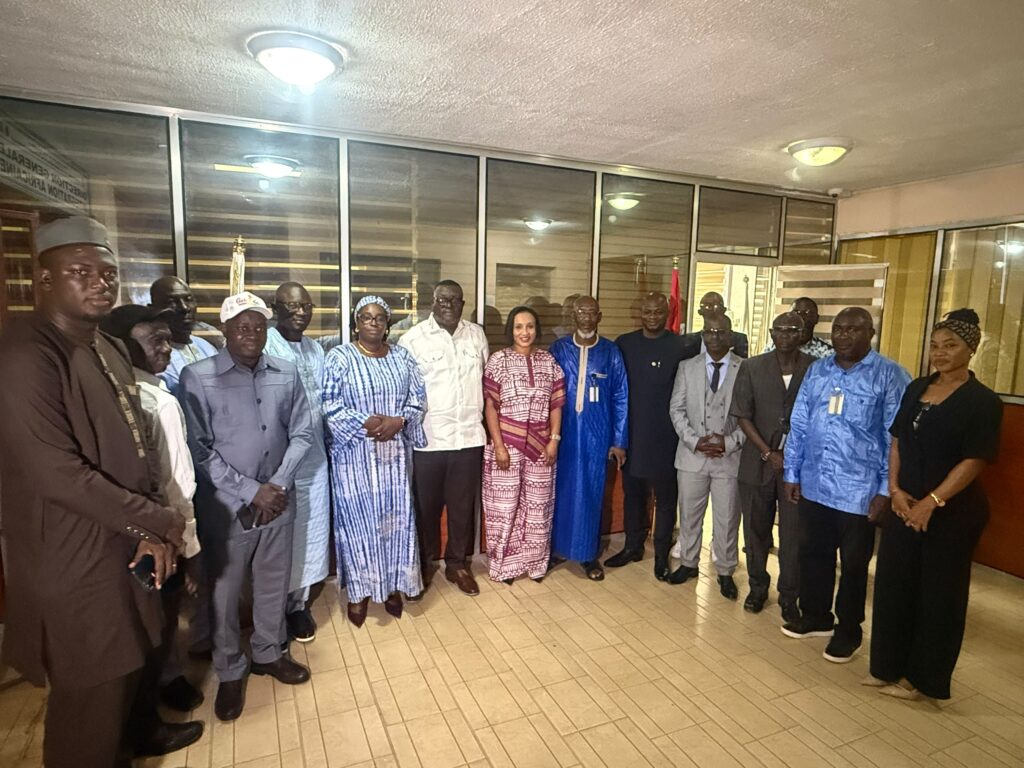
At the 11th Future of Health Conference organised by Nigeria Health Watch in Abuja on 29 October, DRASA Health Trust CEO Dr Niniola Williams called for routine infection prevention in Nigerian hospitals. She disclosed that DRASA had trained over 16,000 healthcare workers and built a network of nearly 100,000 health champions nationwide.
Why it matters: Preventing hospital-acquired infections requires consistent hygiene, safe injections, equipment disinfection and better healthcare practices.
Implication: Health authorities and NGOs should expand infection-prevention training and community disease surveillance.
ECOWAS Pushes Local Defence Manufacturing
ECOWAS Commission President General Birame Diop called for regional defence cooperation and indigenous military manufacturing at the Africa International Defence Exhibition (AFRIDEX), which opened in Lagos on 26 October and ends today. He identified terrorism, cyber threats, maritime insecurity and organised crime as growing regional challenges.
Why it matters: Dependence on imported military equipment limits Africa’s security self-reliance, while local production could create industrial and technology opportunities.
Implication: Investors and development institutions should monitor opportunities in African defence technology and manufacturing.
ECOWAS Promotes Development-Led Border Security
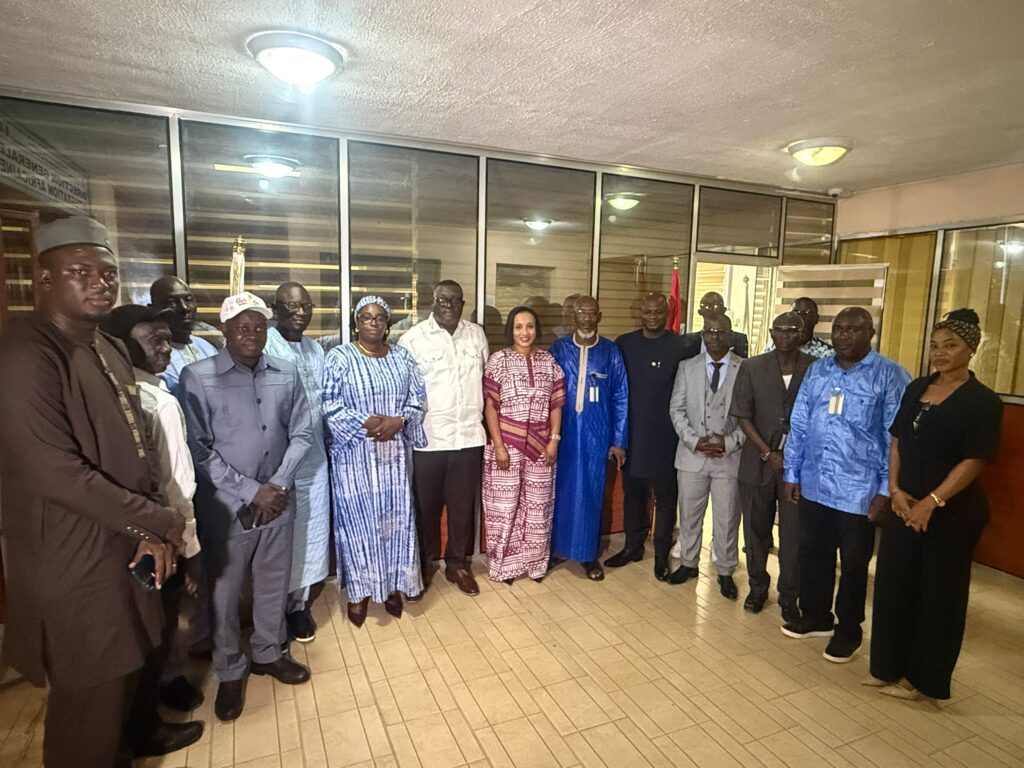
At the third Abidjan Border Forum in Côte d’Ivoire, ECOWAS called for increased investment in border communities, cross-border infrastructure and traditional conflict-resolution systems. Participants highlighted cultural ties, indigenous languages and local mediation as important tools for preventing conflicts.
Why it matters: Military responses alone cannot address insecurity driven by poverty, weak infrastructure and local grievances.
Implication: NGOs should strengthen community-led peacebuilding and cross-border livelihood programmes.
National Assembly Targets December for State Police

Senate Leader Opeyemi Bamidele announced on 29 October at NIPSS, Kuru, Plateau State, that the National Assembly aims to complete the remaining constitutional amendment processes for state police by December 2026. At least 30 state Houses of Assembly have approved the proposed reform.
Why it matters: State policing could improve local security responses but requires strong human rights safeguards and accountability.
Implication: Governance organisations should monitor the legislation and advocate transparent, community-centred policing.
NESG Warns Production Costs Threaten Industries

At the 32nd Nigeria Economic Summit in Abuja, NESG co-facilitator Lumun Feese warned that unreliable electricity, high production costs and poor logistics were weakening Nigerian industries. She proposed a Presidential Industrialisation, Competitiveness and Regional Integration Council to coordinate industrial policy implementation.
Why it matters: High operating costs threaten local manufacturing, employment and Nigeria’s ability to benefit from the African Continental Free Trade Area.
Implication: Businesses and development finance institutions should support reforms targeting power, logistics, skills and affordable industrial financing.
NECA and Labour Disagree Over Wage Negotiations

On 29 October, NECA Director-General Adewale-Smatt Oyerinde insisted that minimum wage negotiations must involve government, employers and organised labour. Meanwhile, NLC President Joe Ajaero questioned TUC’s opposition to the proposed ₦70,000 transport allowance, arguing that workers’ purchasing power matters more than salary figures alone.
Why it matters: Wage increases without addressing inflation, transport and food costs may offer limited relief while placing additional pressure on businesses.
Implication: Government, employers and labour should prioritise transparent, evidence-based wage negotiations.
WATCH CLOSELY
Nigeria’s Shift Towards Locally Driven Security
State police reform, ECOWAS’s push for local defence manufacturing and investment in border communities signal a shift towards African-led security solutions. Watch for constitutional changes, implementation safeguards and new regional partnerships over the next 3–12 months.
HIDDEN OPPORTUNITY
Evidence-Based Development Partnerships
Growing demand for measurable development results creates opportunities for NGOs, researchers and media organisations to collaborate on impact reporting, programme documentation and policy communication. Organisations that demonstrate measurable outcomes will be better positioned to attract funding and influence policy.
OVERLOOKED RISK
The Implementation Gap
Nigeria’s growing list of policy commitments may not translate into improved living conditions without adequate funding, clear responsibilities and accountability. Development organisations should track budget releases, implementation progress and actual community-level outcomes rather than relying on announcements alone.
Compiled by Nathan Yohanna
YouTube: @akweyatv
Facebook: @akweyatvglobal
Instagram: @akweyatv
TikTok: @akweyatv