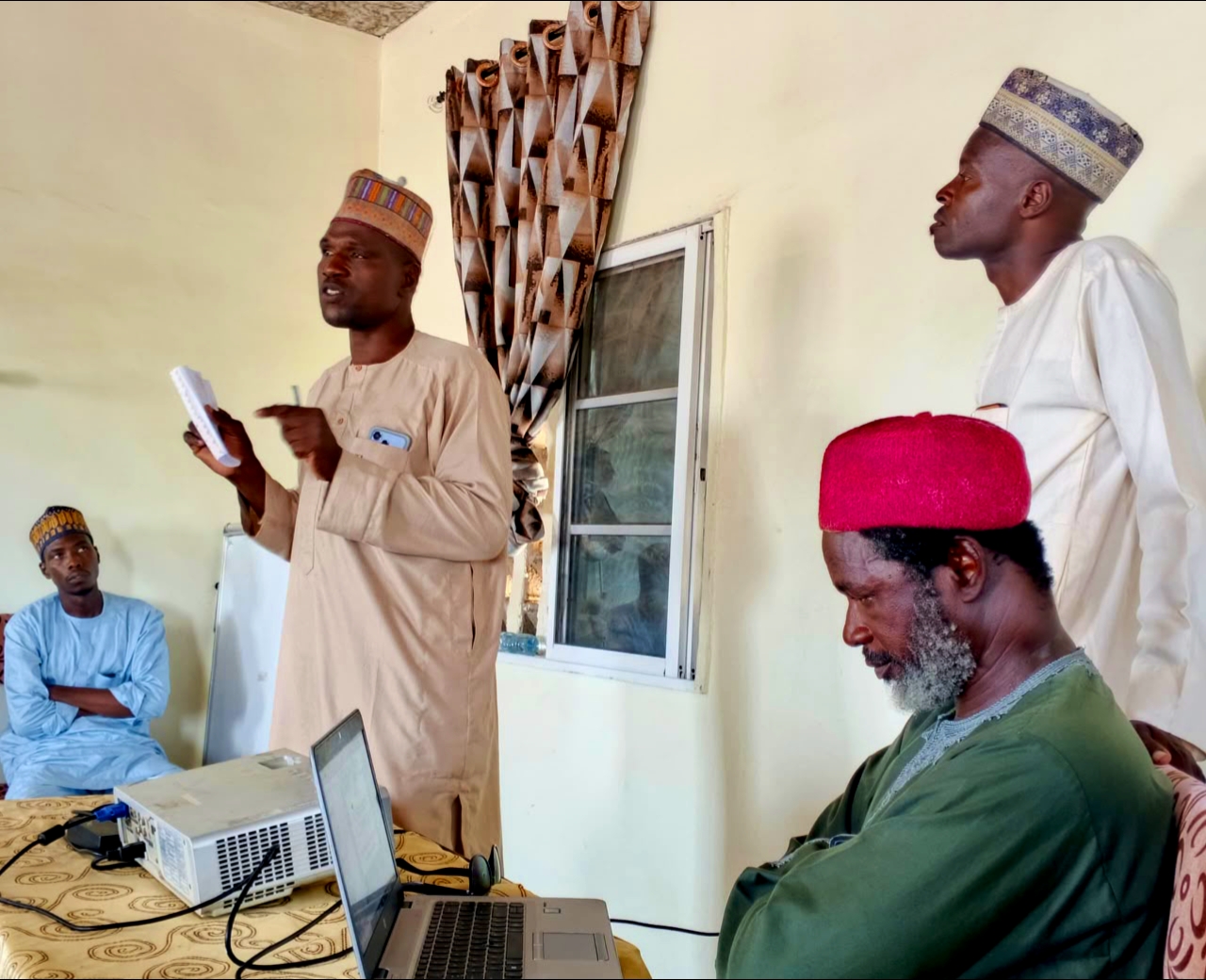

A one-day step-down training on self-regulation for Civil Society Organisations (CSOs) and Nonprofit Organisations was held on 6 September 2026 at the Coalition Office in Katsina State, bringing together sector practitioners to examine professionalism, accountability, and ethical conduct within Nigeria’s nonprofit space. This is one of several steps being taken by civil society leaders to stave off attempts by government at various levels to rein in critical voices.
Introducing Self-Regulation
The Katsina session featured four paper presentations. In the first, Comr. Umar Ahmad Jibril and Rabe Bala Daura introduced participants to the concept of self-regulation, emphasising that organisations must establish internal mechanisms promoting accountability, transparency, and ethical behaviour without relying solely on external regulators.
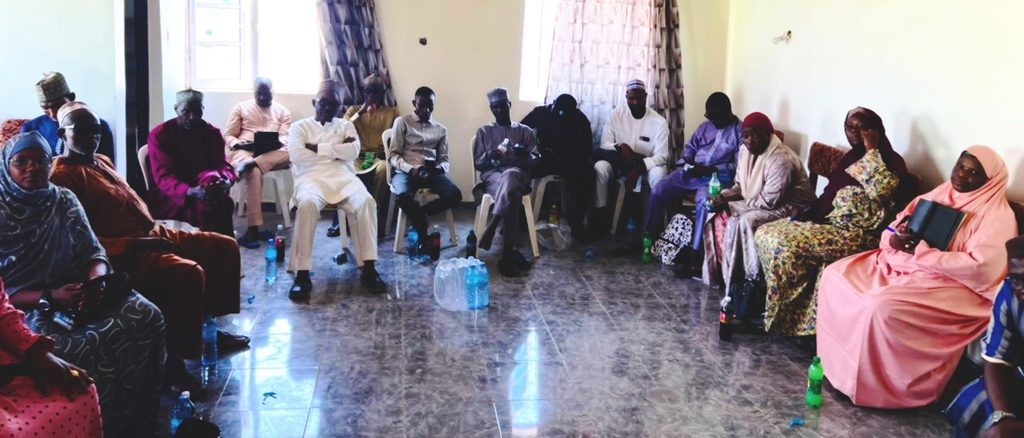
The second paper, “Hybrid Self-Regulation for Nigeria Nonprofits,” examined combining internal organisational mechanisms with sector-wide regulatory frameworks. This model, developed specifically for Nigerian nonprofits, has been promoted at similar trainings across states including Kogi, where participants were exposed to the Hybrid Self-Regulation Model alongside the Nigerian CSO Minimum Standards of Operation.
The third presentation addressed the “Nigerian CSOs Minimum Standard of Operation,” stressing that compliance with minimum standards (covering 12 critical areas including governance and transparency, financial integrity, annual budgeting, legal compliance, and ethical fundraising) is essential for building sustainable organisations. The fourth paper, “Code of Conduct for Nigerian CSOs,” delivered by former Katsina State Health Educator, Ibrahim Sogiji, focused on integrity, professionalism, and responsible resource use.
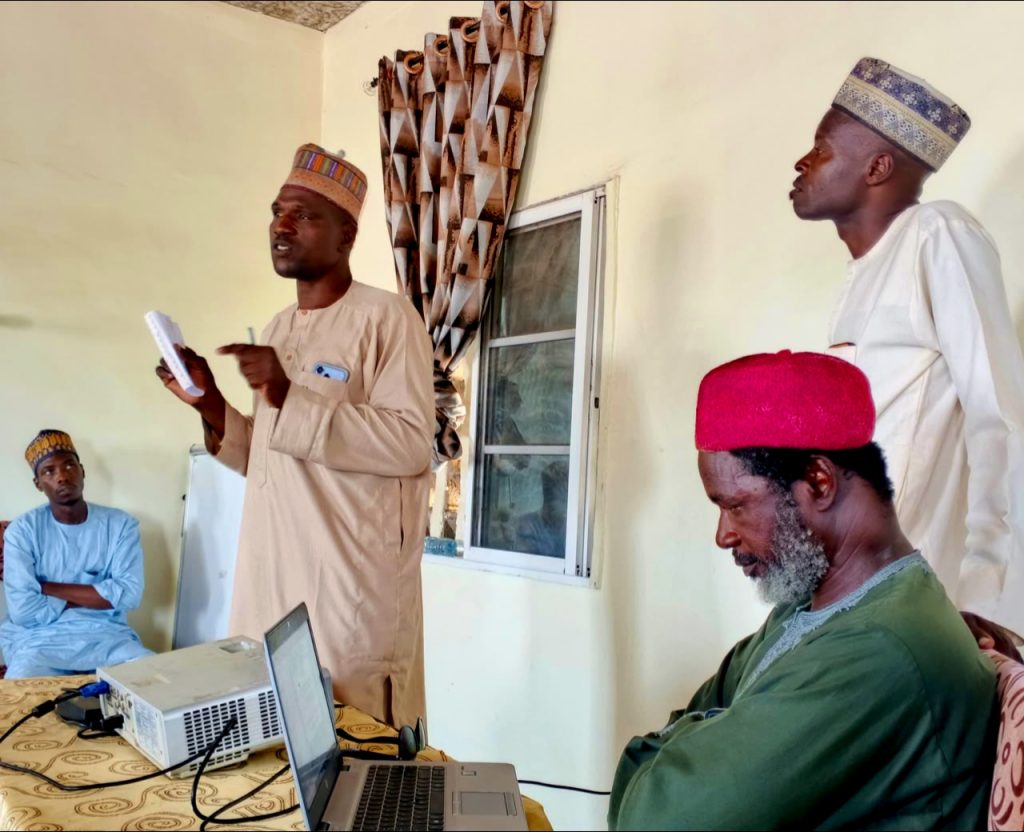
Following the presentations, Muhammad Maifada provided a comprehensive summary, consolidating the relationship between self-regulation, minimum standards, and the Code of Conduct. In discussions, participants unanimously agreed to step down the training to grassroots members, ensuring the principles reach a wider membership base.
The Push for Self-Regulation
The drive for self-regulation in Nigeria’s civil society sector did not emerge overnight. According to Dr. Harry Udoh, Team Lead of the Ethics and Good Leadership Awareness Initiative (EGLAI), the push was “the outcome of years of reflection, engagement and collective learning within the sector rooted in aspiration to build a vibrant, transparent and accountable civil society ecosystem”.
The movement gained momentum following concerns over poor governance and weak management within some organisations, which eroded donor confidence and threatened the sustainability of civil society groups. As Udoh explained, the proliferation of CSOs meant that “all kinds of persons entering the frame of that sector without proper guidance, without proper regulation” created space for “black sheep within that” sector.
This introspection led to the development of the Nigerian CSO Self-Regulation Framework, which originally comprised multiple modalities designed to guide civil society governance. Following reviews in 2023 and 2024, stakeholders agreed to adopt a more streamlined hybrid approach combining a code of conduct, self-assessment mechanisms, and working group information systems to enable effective monitoring, evaluation, and compliance.
The framework was developed with support from the European Union-funded CSO Strengthening Bridge Project (EU CSO Bridge), implemented by the International Institute for Democracy and Electoral Assistance (International IDEA). The nationwide rollout has seen zonal capacity-building workshops across Nigeria’s geopolitical zones, equipping CSO champions to drive grassroots adoption of self-regulation.
Debates Over Government Regulation of NGOs
The push for self-regulation has unfolded against a backdrop of persistent legislative attempts by the Nigerian government to regulate civil society organisations. As Udoh noted, “If you look across the history of the National Assembly, this is now the 10th National Assembly, and every Assembly has sought ways to regulate civil society organisations in the country”.
- NGOs Speed Up Self-Regulation to Beat Government Threat
- Chief Abba Adaudu: Accountants Are Not Stingy, They Focus on Value for Money
- My Three Month Journey at Isu Media: Lessons, Growth and New Discoveries
- ENTERTAINMENT INTELLIGENCE, 19 SEPTEMBER
- Africa Social Impact Network Launches
Historical Attempts at Regulation
Nigeria’s National Assembly has, for nearly two decades, repeatedly considered legislative proposals to regulate the activities, funding, and operations of NGOs and CSOs. These proposals have generally shared a common objective: increasing governmental oversight over organisations that receive foreign funding. A 2016 bill to establish a Non-Governmental Organisations Regulatory Commission stalled after a public hearing in 2017, while a similar bill introduced in 2020 was withdrawn following opposition from legislators.
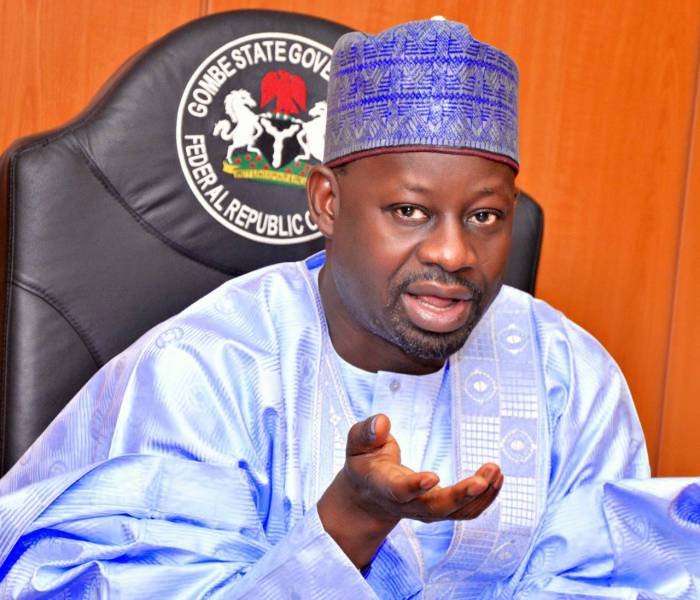
The most recent legislative proposal is the Foreign Aid (Regulation, Transparency and Disclosure) Bill, 2026, sponsored by Senator Ibrahim Dankwambo. The bill, which has already passed its second reading in the Senate, seeks to regulate all foreign aid, grants, donations, and technical assistance received by governments, civil society organisations, private entities, and other recipients within Nigeria. And perhaps the interest it is generating is as much because of the subject itself as well as the because of the proponent of the bill, since Dankwambo is a former governor of Gombe State (2011 to 2019), and a former Accountant-General of the Federation.
The bill proposes establishing a Foreign Aid Regulatory Commission (FARC) with sweeping powers to register recipients of foreign aid, collect information, conduct audits and inspections, issue regulations, monitor compliance, and impose sanctions. It would require every recipient of foreign assistance to register with FARC within 30 days, criminalise non-registration, and impose extensive disclosure requirements through a National Foreign Aid Register. Penalties for non-compliance include a minimum fine of N20 million for civil society organisations and private entities, as well as possible suspension or revocation of operating licences.
CSO Opposition and Concerns
Civil society organisations have mounted strong opposition to the bill. In a joint statement, CSOs described the legislation as “an increasingly coordinated legislative effort to expand executive control over civil society, independent media and digital spaces while curtailing civic participation, public scrutiny and democratic accountability”.
The Socio-Economic Rights and Accountability Project (SERAP) and the Nigerian Guild of Editors (NGE) urged the National Assembly to reject the bill, warning that it could undermine civic space, media freedom, and democratic participation. They argued that the bill, “although presented in the guise of promoting transparency, would establish an extensive framework for governmental control over civil society organisations and private entities receiving foreign assistance”.
Human rights groups have called on Nigeria’s National Assembly to reject the bill, warning that legislation seeking to align foreign funding with government priorities “risks expanding government control over independent civil society and suppressing dissent”.
Critics have further argued that the proposed FARC would duplicate functions already performed by existing regulatory bodies, including the Corporate Affairs Commission (CAC), the Economic and Financial Crimes Commission (EFCC), and the Special Control Unit against Money Laundering (SCUML). SERAP and NGE stated that “nothing in the Bill demonstrates that these institutions are unable to perform their statutory responsibilities or that any regulatory gap justifies creating another regulator with overlapping and potentially intrusive powers”.
Concerns have also been raised about vague provisions in the bill, particularly undefined terms such as “foreign aid,” “national priorities,” and “public interest,” which could allow arbitrary enforcement and violate constitutional and international human rights standards requiring restrictions on rights to be lawful, necessary, and proportionate.
The Case for Self-Regulation
It is within this contested regulatory environment that the push for self-regulation has gained urgency. As Dr. Udoh explained, “as a form of pushback, we believe the best approach is to look inwards and come up with minimum standards of operation, codes of ethics and codes of conduct, precepts and principles that guide our conduct, our actions, and how we run our organisations”.
He emphasised that self-regulation “guarantees sustainability for our organisations” and enables CSOs to “operate creditably, professionally, and with integrity”. More fundamentally, Udoh argued that if CSOs are to hold government accountable, “we ourselves must be accountable. We must be above board in how we conduct our affairredibility, accountability, and professionalism are not merely external obligations
The paper presentation session in Katsina was informative and participatory, providing valuable insights into the need for stronger self-regulatory practices within Nigerian CSOs and nonprofit organisations. The agreement to cascade the training to the grassroots level represents an important step towards strengthening organisational capacity, promoting ethical standards, and ensuring that the principles discussed during the training are understood and practised by members at all levels.
As Nigeria’s civil society sector continues to navigate the complex terrain between self-regulation and government oversight, the Katsina training underscores a growing consensus within the sector: that credibility, accountability, and professionalism are not merely external obligations but internal imperatives essential to sustaining public trust and defending civic space.