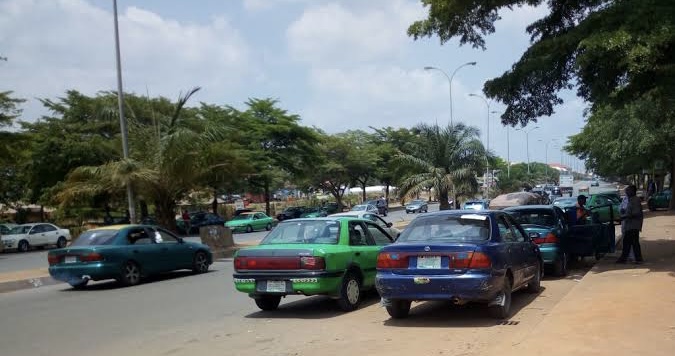

Transport fares across the Federal Capital Territory and neighbouring Nasarawa, Niger and Kogi states have increased by between 20 and 30 per cent on several routes, adding to the financial pressure on commuters.
The latest increases are being felt on both intra-city routes and roads connecting Abuja with surrounding states, with workers, students, traders and other daily commuters bearing the impact.
- Why Are the Idoma Celebrating?
- INEC Targets Safer, Smoother 2027 Elections
- Nigeria Plans Power-Telecom Integration to Boost Rural Connectivity
- Gospel Singer Toluwanisings Dies At 41
- Nigerian Authors Set For 45th International Convention In Abuja
Abuja Routes Record Fresh Increases
In Abuja, passengers travelling from Nyanya to the Federal Secretariat now pay about ₦1,000, compared with the previous fare of ₦700.
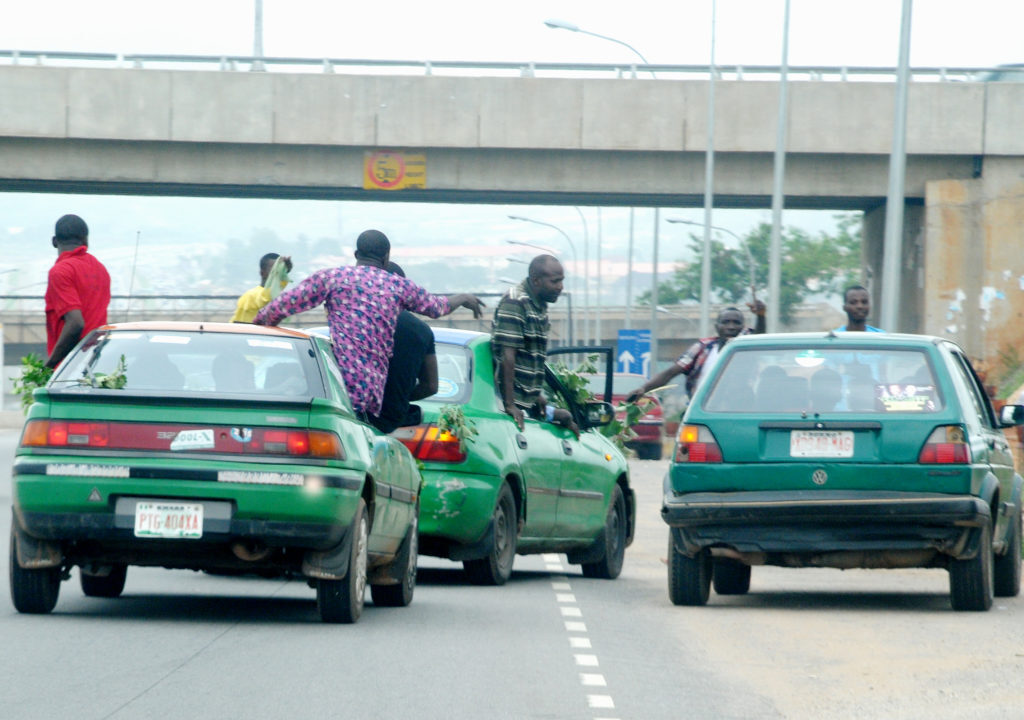
Similarly, transport fares from the Federal Secretariat to Lugbe have increased from ₦500 to ₦700.
The increases have also affected routes linking Abuja with neighbouring Nasarawa, Niger and Kogi states, although fares vary depending on the route, distance and type of vehicle.
For many commuters, the increases mean spending more of their daily income on transportation.
Drivers Blame Rising Operating Costs
Commercial transport operators attributed the fare increases mainly to the rising cost of petrol, vehicle repairs, spare parts and other operating expenses.
A commercial driver, Ahmed Tanko, said the cost of keeping vehicles on the road had continued to rise while drivers struggled to maintain reasonable earnings.
“The cost of fuel is too high. You have to put your vehicle on the road for a long time to make anything tangible,” he said.
Tanko added that a significant portion of daily earnings goes into buying fuel and maintaining vehicles.
“If you buy ₦20,000 fuel, you will not make more than ₦30,000 with it. Little is left for maintenance and profit,” he said.
Transport operators said they were also dealing with rising costs of spare parts, servicing and other routine expenses, making it difficult to maintain previous fares.
Commuters Feel the Pressure
Passengers said the fare increases were putting additional pressure on already stretched household budgets.
A resident, Ruth Ngongu, said the rising cost of petrol was making transportation increasingly difficult for ordinary residents.
“Fuel is becoming too expensive,” she said.
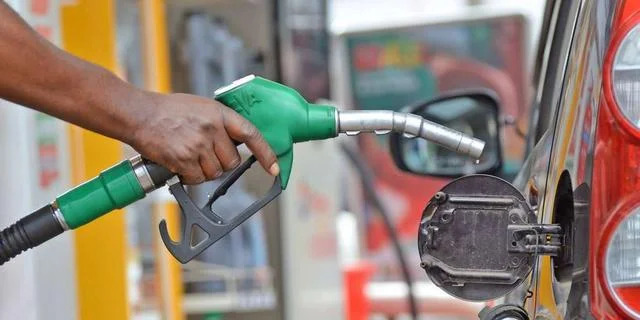
She also expressed concern over the speed at which petrol prices were changing, saying the price had reportedly moved from about ₦1,350 to ₦1,450 per litre within a day.
For workers who commute daily, even a ₦200 or ₦300 increase per trip can translate into thousands of naira in additional transportation expenses each month.
Students and low-income earners are also likely to feel the impact, particularly those who depend entirely on commercial buses, taxis and other forms of public transportation.
Rising Transport Costs Could Affect Household Spending
The latest fare increases come at a time when many households are already adjusting their spending because of higher prices of food, fuel and other essential goods.
Higher transportation costs could further affect how much commuters have available for food, education, healthcare and other household needs.
With fuel and vehicle operating costs continuing to influence transport prices, commuters are now facing fresh uncertainty over whether fares will remain at their current levels or rise further.
For residents who depend on public transport every day, the increase is more than a change in fare it represents another addition to the cost of getting to work, school, markets and other essential destinations.