
Nigeria’s development agenda faces a critical test: can institutional reforms, infrastructure investment and civic action translate into measurable outcomes for citizens?
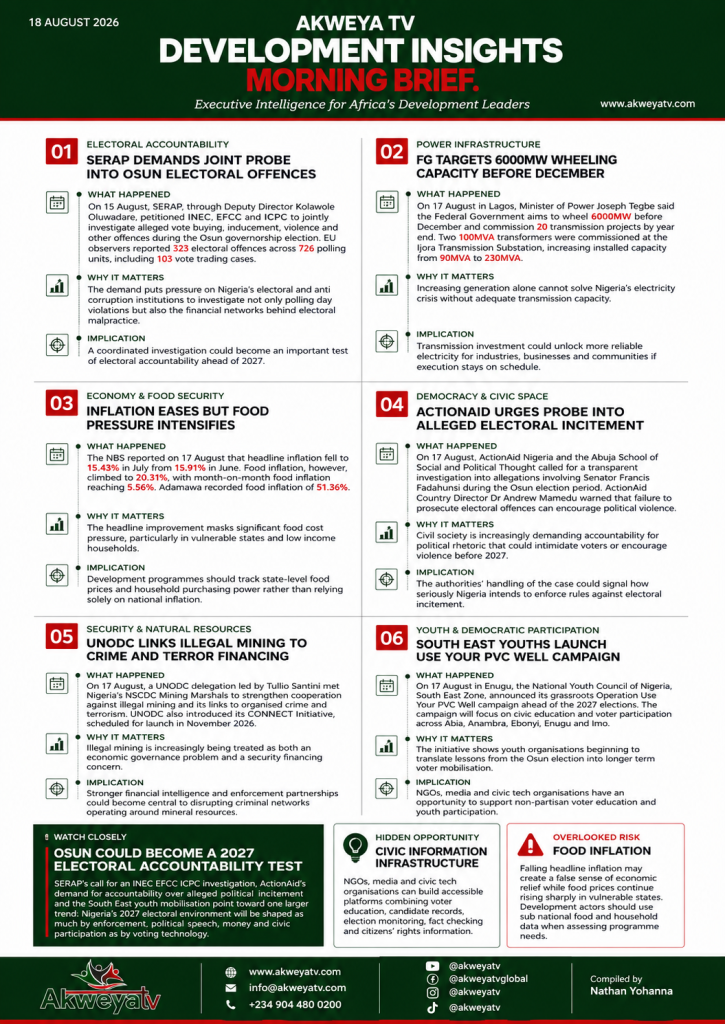
SERAP DEMANDS JOINT PROBE INTO OSUN ELECTORAL OFFENCES
What happened: On 15 August, the Socio Economic Rights and Accountability Project SERAP, through Deputy Director Kolawole Oluwadare, petitioned INEC, EFCC and ICPC to jointly investigate alleged vote buying, inducement, violence and other offences during the Osun governorship election. EU supported observers reported 323 electoral offences across 726 polling units, including 103 vote trading cases.
Why it matters: The demand puts pressure on Nigeria’s electoral and anti corruption institutions to investigate not only polling day violations but also the financial networks behind electoral malpractice.
Implication: A coordinated investigation could become an important test of electoral accountability ahead of 2027.
FG TARGETS 6000MW WHEELING CAPACITY BEFORE DECEMBER
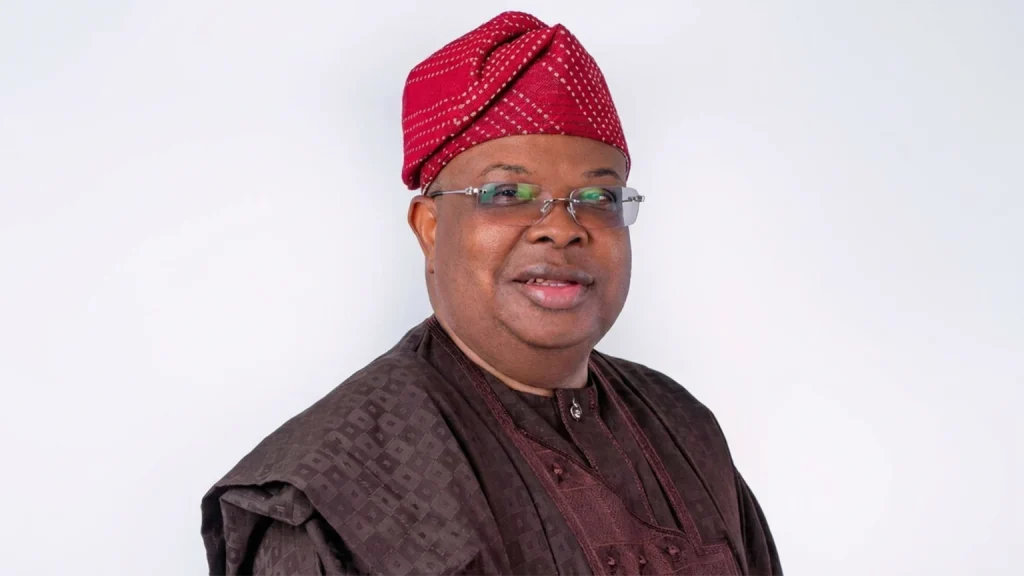
What happened: On 17 August in Lagos, Minister of Power Joseph Tegbe said the Federal Government aims to wheel 6000MW before December and commission 20 transmission projects by year end. Two 100MVA transformers were commissioned at the Ijora Transmission Substation, increasing installed capacity from 90MVA to 230MVA.
Why it matters: The strategy recognises that increasing generation alone cannot solve Nigeria’s electricity crisis without adequate transmission capacity.
Implication: Transmission investment could unlock more reliable electricity for industries, businesses and communities if project execution stays on schedule.
INFLATION EASES BUT FOOD PRESSURE INTENSIFIES
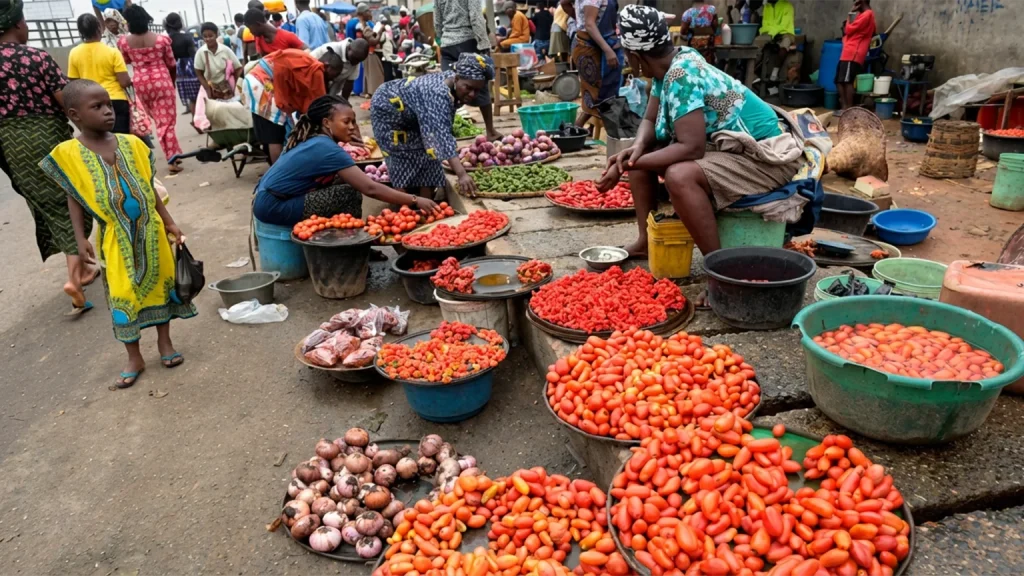
What happened: The National Bureau of Statistics NBS reported on 17 August that headline inflation fell to 15.43 percent in July from 15.91 percent in June. However, food inflation climbed to 20.31 percent, with month on month food inflation reaching 5.56 percent. Adamawa recorded food inflation of 51.36 percent.
Why it matters: The headline improvement masks significant food cost pressure, particularly in vulnerable states and low income households.
Implication: Development programmes should track state level food prices and household purchasing power rather than relying solely on national inflation.
ACTIONAID URGES PROBE INTO ALLEGED ELECTORAL INCITEMENT
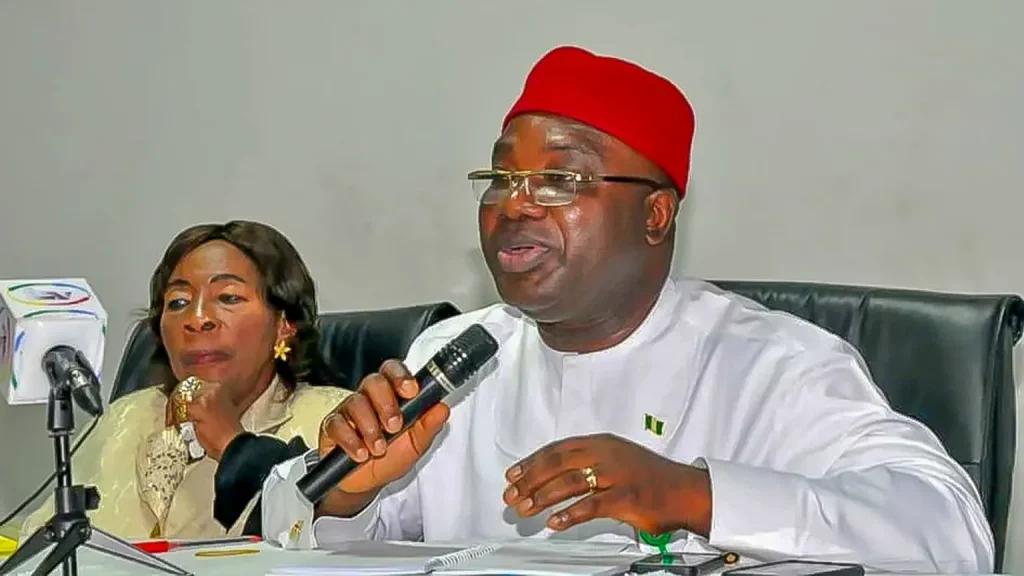
What happened: On 17 August, ActionAid Nigeria and the Abuja School of Social and Political Thought called for a transparent investigation into allegations involving Senator Francis Fadahunsi during the Osun election period. ActionAid Country Director Dr Andrew Mamedu warned that failure to prosecute electoral offences can encourage political violence.
Why it matters: Civil society is increasingly demanding accountability for political rhetoric that could intimidate voters or encourage violence before 2027.
Implication: The authorities’ handling of the case could signal how seriously Nigeria intends to enforce rules against electoral incitement.
UNODC LINKS ILLEGAL MINING TO CRIME AND TERROR FINANCING
What happened: On 17 August, a UNODC delegation led by Tullio Santini met Nigeria’s NSCDC Mining Marshals to strengthen cooperation against illegal mining and its links to organised crime and terrorism. UNODC also introduced its CONNECT Initiative, scheduled for launch in November 2026.
Why it matters: Illegal mining is increasingly being treated as both an economic governance problem and a security financing concern.
Implication: Stronger financial intelligence and enforcement partnerships could become central to Nigeria’s efforts to disrupt criminal networks operating around mineral resources.
SOUTH EAST YOUTHS LAUNCH USE YOUR PVC WELL CAMPAIGN
What happened: On 17 August in Enugu, the National Youth Council of Nigeria, South East Zone, announced its grassroots Operation Use Your PVC Well campaign ahead of the 2027 elections. The campaign will focus on civic education and voter participation across Abia, Anambra, Ebonyi, Enugu and Imo.
Why it matters: The initiative shows youth organisations beginning to translate lessons from the Osun election into longer term voter mobilisation.
Implication: NGOs, media and civic tech organisations have an opportunity to support non partisan voter education and youth participation.
WATCH CLOSELY
OSUN COULD BECOME A 2027 ELECTORAL ACCOUNTABILITY TEST
SERAP’s call for an INEC EFCC ICPC investigation, ActionAid’s demand for accountability over alleged political incitement and the South East youth mobilisation point toward one larger trend: Nigeria’s 2027 electoral environment will be shaped as much by enforcement, political speech, money and civic participation as by voting technology.
HIDDEN OPPORTUNITY
Civic information infrastructure
NGOs, media and civic tech organisations can build accessible platforms combining voter education, candidate records, election monitoring, fact checking and citizens’ rights information.
OVERLOOKED RISK
Food inflation
Falling headline inflation may create a false sense of economic relief while food prices continue rising sharply in vulnerable states. Development actors should use sub national food and household data when assessing programme needs.
Compiled by Nathan Yohanna
For more inquiries:
Website: www.akweyatv.com
Email: info@akweyatv.com
Phone number: +234 904 480 0200
YouTube: @akweyatv
Facebook: @akweyatvglobal
Instagram: @akweyatv
TikTok: @akweyatv