

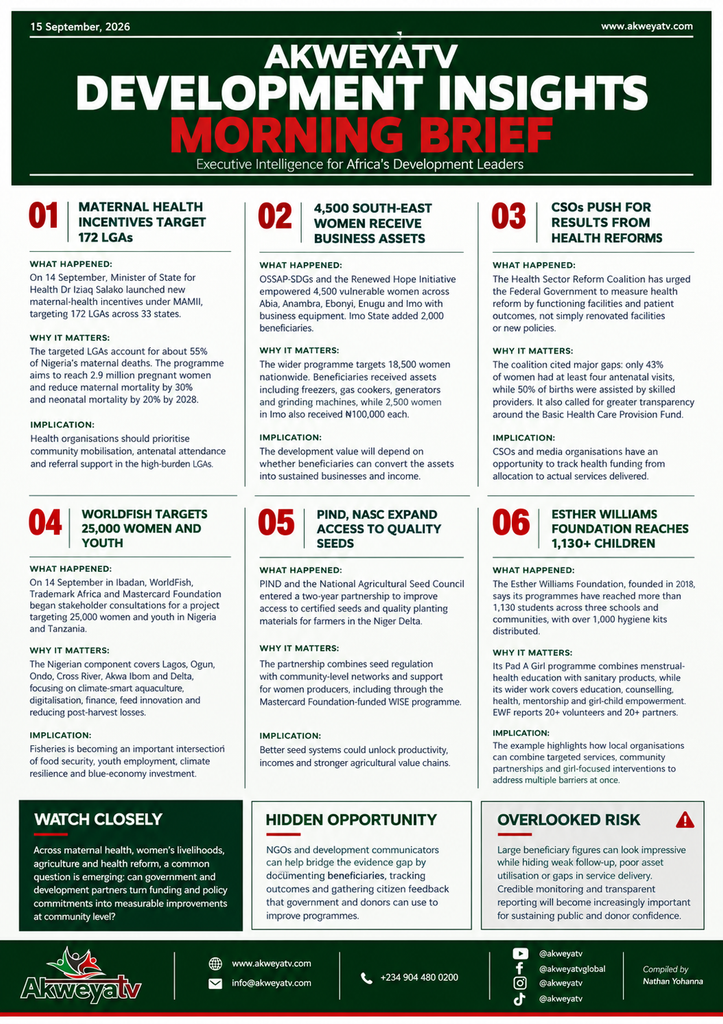
MATERNAL HEALTH INCENTIVES TARGET 172 LGAs
WHAT HAPPENED: On 14 September, Minister of State for Health Dr Iziaq Salako launched new maternal-health incentives under MAMII, targeting 172 LGAs across 33 states.
WHY IT MATTERS: The targeted LGAs account for about 55% of Nigeria’s maternal deaths. The programme aims to reach 2.9 million pregnant women and reduce maternal mortality by 30% and neonatal mortality by 20% by 2028.
IMPLICATION: Health organisations should prioritise community mobilisation, antenatal attendance and referral support in the high-burden LGAs.
4,500 SOUTH-EAST WOMEN RECEIVE BUSINESS ASSETS

WHAT HAPPENED: OSSAP-SDGs and the Renewed Hope Initiative empowered 4,500 vulnerable women across Abia, Anambra, Ebonyi, Enugu and Imo with business equipment. Imo State added 2,000 beneficiaries.
WHY IT MATTERS: The wider programme targets 18,500 women nationwide. Beneficiaries received assets including freezers, gas cookers, generators and grinding machines, while 2,500 women in Imo also received ₦100,000 each.
IMPLICATION: The development value will depend on whether beneficiaries can convert the assets into sustained businesses and income.
CSOs PUSH FOR RESULTS FROM HEALTH REFORMS
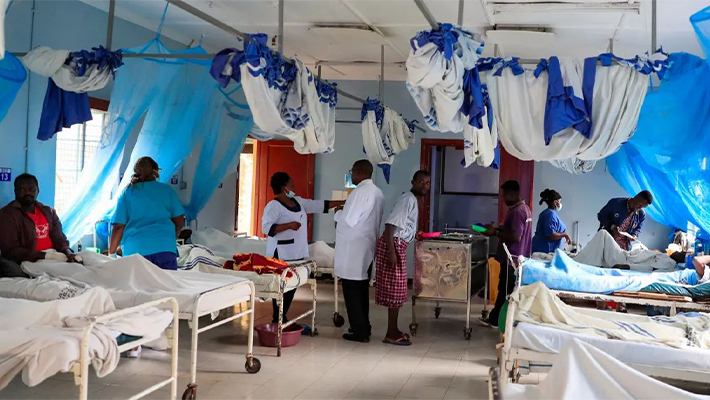
WHAT HAPPENED: The Health Sector Reform Coalition has urged the Federal Government to measure health reform by functioning facilities and patient outcomes, not simply renovated facilities or new policies.
WHY IT MATTERS: The coalition cited major gaps: only 43% of women had at least four antenatal visits, while 50% of births were assisted by skilled providers. It also called for greater transparency around the Basic Health Care Provision Fund.
IMPLICATION: CSOs and media organisations have an opportunity to track health funding from allocation to actual services delivered.
WORLDFISH TARGETS 25,000 WOMEN AND YOUTH
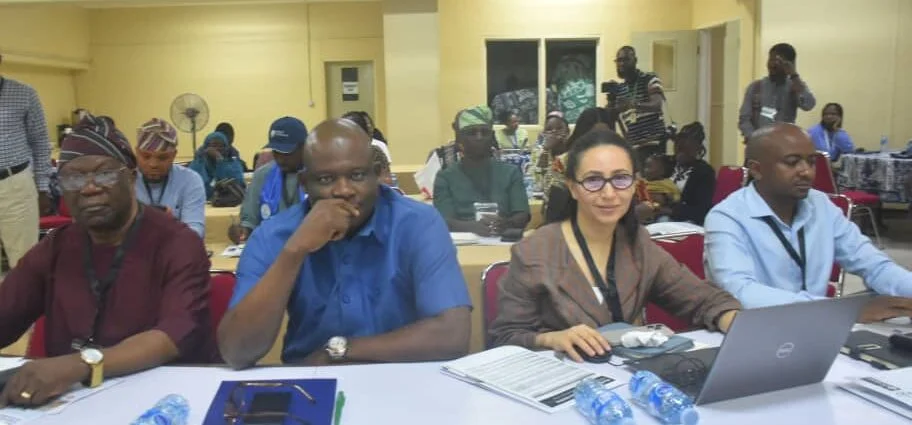
WHAT HAPPENED: On 14 September in Ibadan, WorldFish, Trademark Africa and Mastercard Foundation began stakeholder consultations for a project targeting 25,000 women and youth in Nigeria and Tanzania.
WHY IT MATTERS: The Nigerian component covers Lagos, Ogun, Ondo, Cross River, Akwa Ibom and Delta, focusing on climate-smart aquaculture, digitalisation, finance, feed innovation and reducing post-harvest losses.
IMPLICATION: Fisheries is becoming an important intersection of food security, youth employment, climate resilience and blue-economy investment.
PIND, NASC EXPAND ACCESS TO QUALITY SEEDS
WHAT HAPPENED: PIND and the National Agricultural Seed Council entered a two-year partnership to improve access to certified seeds and quality planting materials for farmers in the Niger Delta.
WHY IT MATTERS: The partnership combines seed regulation with community-level networks and support for women producers, including through the Mastercard Foundation-funded WISE programme.
IMPLICATION: Better seed systems could unlock productivity, incomes and stronger agricultural value chains.
ESTHER WILLIAMS FOUNDATION REACHES 1,130+ CHILDREN

WHAT HAPPENED: The Esther Williams Foundation, founded in 2018, says its programmes have reached more than 1,130 students across three schools and communities, with over 1,000 hygiene kits distributed.
WHY IT MATTERS: Its Pad A Girl programme combines menstrual-health education with sanitary products, while its wider work covers education, counselling, health, mentorship and girl-child empowerment. EWF reports 20+ volunteers and 20+ partners.
IMPLICATION: The example highlights how local organisations can combine targeted services, community partnerships and girl-focused interventions to address multiple barriers at once.
WATCH CLOSELY
FROM POLICY TO PROOF
Across maternal health, women’s livelihoods, agriculture and health reform, a common question is emerging: can government and development partners turn funding and policy commitments into measurable improvements at community level?
HIDDEN OPPORTUNITY
LOCAL EVIDENCE
NGOs and development communicators can help bridge the evidence gap by documenting beneficiaries, tracking outcomes and gathering citizen feedback that government and donors can use to improve programmes.
OVERLOOKED RISK
NUMBERS WITHOUT FOLLOW-UP
Large beneficiary figures can look impressive while hiding weak follow-up, poor asset utilisation or gaps in service delivery. Credible monitoring and transparent reporting will become increasingly important for sustaining public and donor confidence.
Compiled by Nathan Yohanna
For more inquiries:
Website: www.akweyatv.com
Email: info@akweyatv.com
Phone number: +234 904 480 0200
YouTube: @akweyatv
Facebook: @akweyatvglobal
Instagram: @akweyatv
TikTok: @akweyatv