
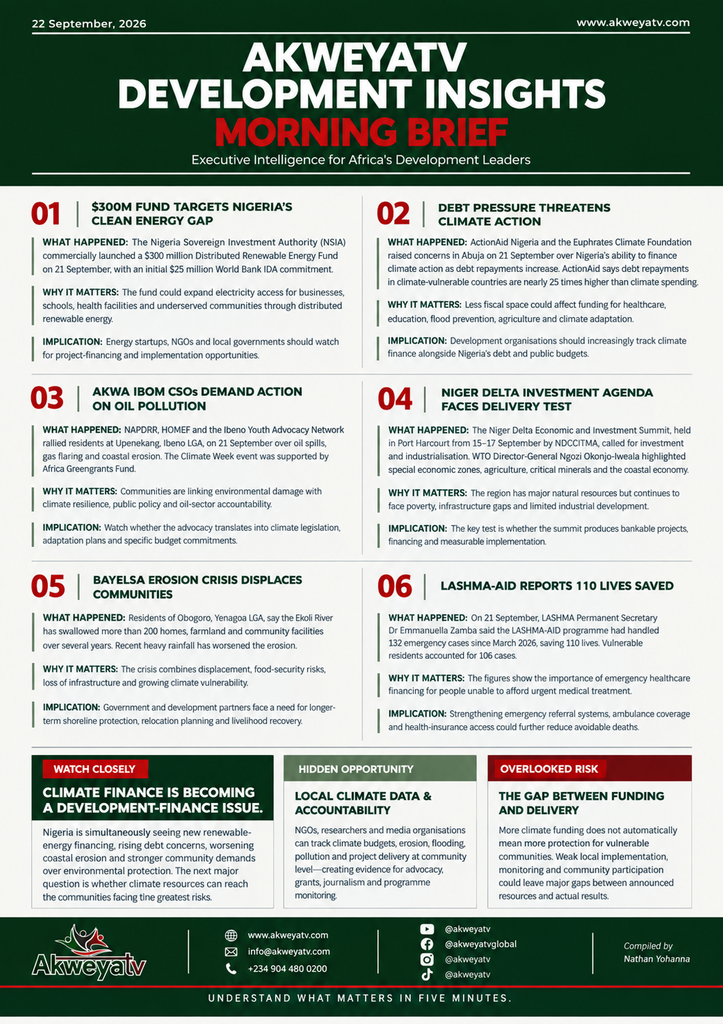
$300M FUND TARGETS NIGERIA’S CLEAN ENERGY GAP
What happened: The Nigeria Sovereign Investment Authority (NSIA) commercially launched a $300 million Distributed Renewable Energy Fund on 21 September, with an initial $25 million World Bank IDA commitment.
Why it matters: The fund could expand electricity access for businesses, schools, health facilities and underserved communities through distributed renewable energy.
Implication: Energy startups, NGOs and local governments should watch for project-financing and implementation opportunities.
DEBT PRESSURE THREATENS CLIMATE ACTION
What happened: ActionAid Nigeria and the Euphrates Climate Foundation raised concerns in Abuja on 21 September over Nigeria’s ability to finance climate action as debt repayments increase. ActionAid says debt repayments in climate-vulnerable countries are nearly 25 times higher than climate spending.
Why it matters: Less fiscal space could affect funding for healthcare, education, flood prevention, agriculture and climate adaptation.
Implication: Development organisations should increasingly track climate finance alongside Nigeria’s debt and public budgets.
AKWA IBOM CSOs DEMAND ACTION ON OIL POLLUTION
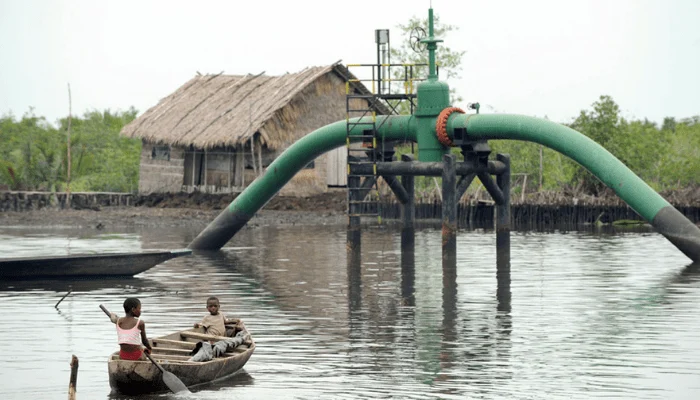
What happened: NAPDRR, HOMEF and the Ibeno Youth Advocacy Network rallied residents at Upenekang, Ibeno LGA, on 21 September over oil spills, gas flaring and coastal erosion. The Climate Week event was supported by Africa Greengrants Fund.
Why it matters: Communities are linking environmental damage with climate resilience, public policy and oil-sector accountability.
Implication: Watch whether the advocacy translates into climate legislation, adaptation plans and specific budget commitments.
NIGER DELTA INVESTMENT AGENDA FACES DELIVERY TEST
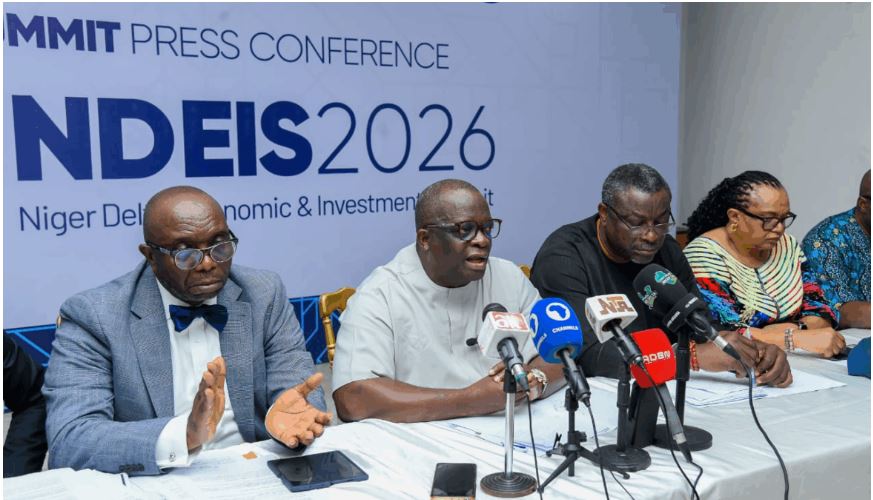
What happened: The Niger Delta Economic and Investment Summit, held in Port Harcourt from 15–17 September by NDCCITMA, called for investment and industrialisation. WTO Director-General Ngozi Okonjo-Iweala highlighted special economic zones, agriculture, critical minerals and the coastal economy.
Why it matters: The region has major natural resources but continues to face poverty, infrastructure gaps and limited industrial development.
- Akweya TV Celebrates Interns’ 12-Week Journey
- 6 Reasons Ibrahim Idris Administration Remains Notable
- David Ugolor Advancing Good Governance In Nigeria
- Paradigm Initiative Takes AI Priorities to UNGA 81
- DEVELOPMENT INSIGHTS MORNING BRIEF, 21 SEPTEMBER 2026
Implication: The key test is whether the summit produces bankable projects, financing and measurable implementation.
BAYELSA EROSION CRISIS DISPLACES COMMUNITIES
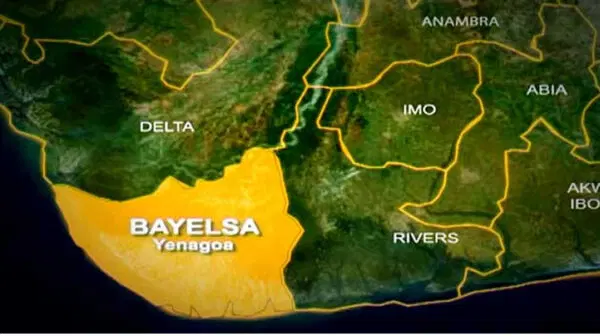
What happened: Residents of Obogoro, Yenagoa LGA, say the Ekoli River has swallowed more than 200 homes, farmland and community facilities over several years. Recent heavy rainfall has worsened the erosion.
Why it matters: The crisis combines displacement, food-security risks, loss of infrastructure and growing climate vulnerability.
Implication: Government and development partners face a need for longer-term shoreline protection, relocation planning and livelihood recovery.
LASHMA-AID REPORTS 110 LIVES SAVED
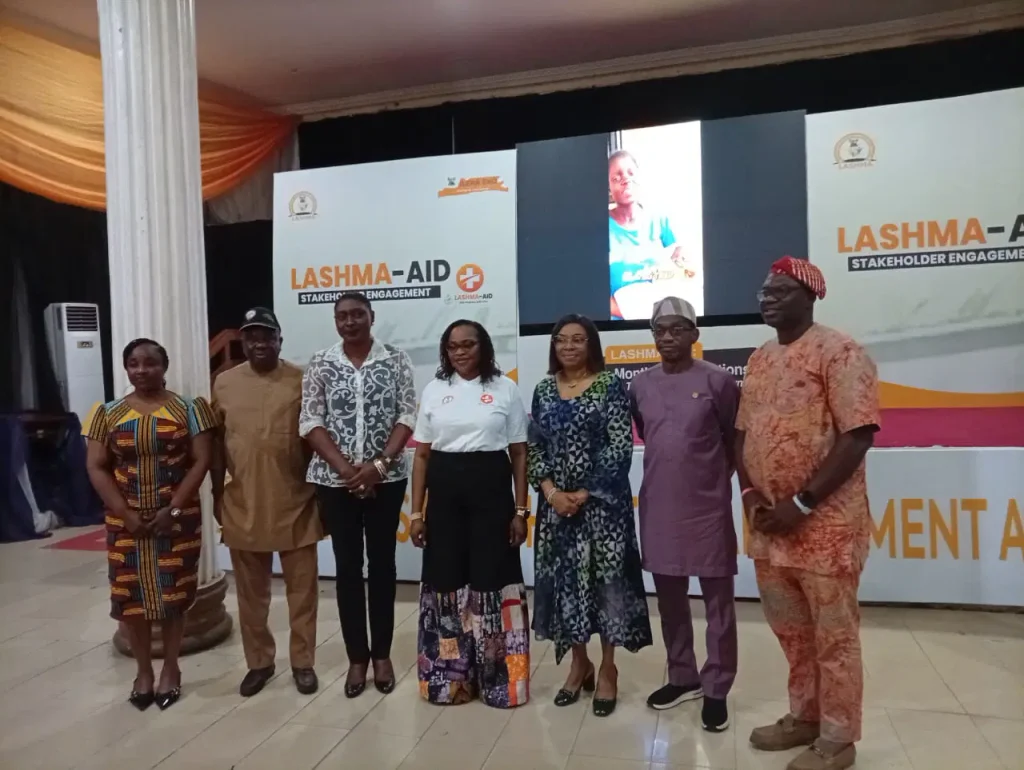
What happened: On 21 September, LASHMA Permanent Secretary Dr Emmanuella Zamba said the LASHMA-AID programme had handled 132 emergency cases since March 2026, saving 110 lives. Vulnerable residents accounted for 106 cases.
Why it matters: The figures show the importance of emergency healthcare financing for people unable to afford urgent medical treatment.
Implication: Strengthening emergency referral systems, ambulance coverage and health-insurance access could further reduce avoidable deaths.
WATCH CLOSELY
CLIMATE FINANCE IS BECOMING A DEVELOPMENT-FINANCE ISSUE.
Nigeria is simultaneously seeing new renewable-energy financing, rising debt concerns, worsening coastal erosion and stronger community demands over environmental protection. The next major question is whether climate resources can reach the communities facing the greatest risks.
HIDDEN OPPORTUNITY
LOCAL CLIMATE DATA & ACCOUNTABILITY
NGOs, researchers and media organisations can track climate budgets, erosion, flooding, pollution and project delivery at community level—creating evidence for advocacy, grants, journalism and programme monitoring.
OVERLOOKED RISK
THE GAP BETWEEN FUNDING AND DELIVERY
More climate funding does not automatically mean more protection for vulnerable communities. Weak local implementation, monitoring and community participation could leave major gaps between announced resources and actual results.
Compiled by Nathan Yohanna
For more inquiries:
Website: www.akweyatv.com
Email: info@akweyatv.com
Phone number: +234 904 480 0200
YouTube: @akweyatv
Facebook: @akweyatvglobal
Instagram: @akweyatv
TikTok: @akweyatv