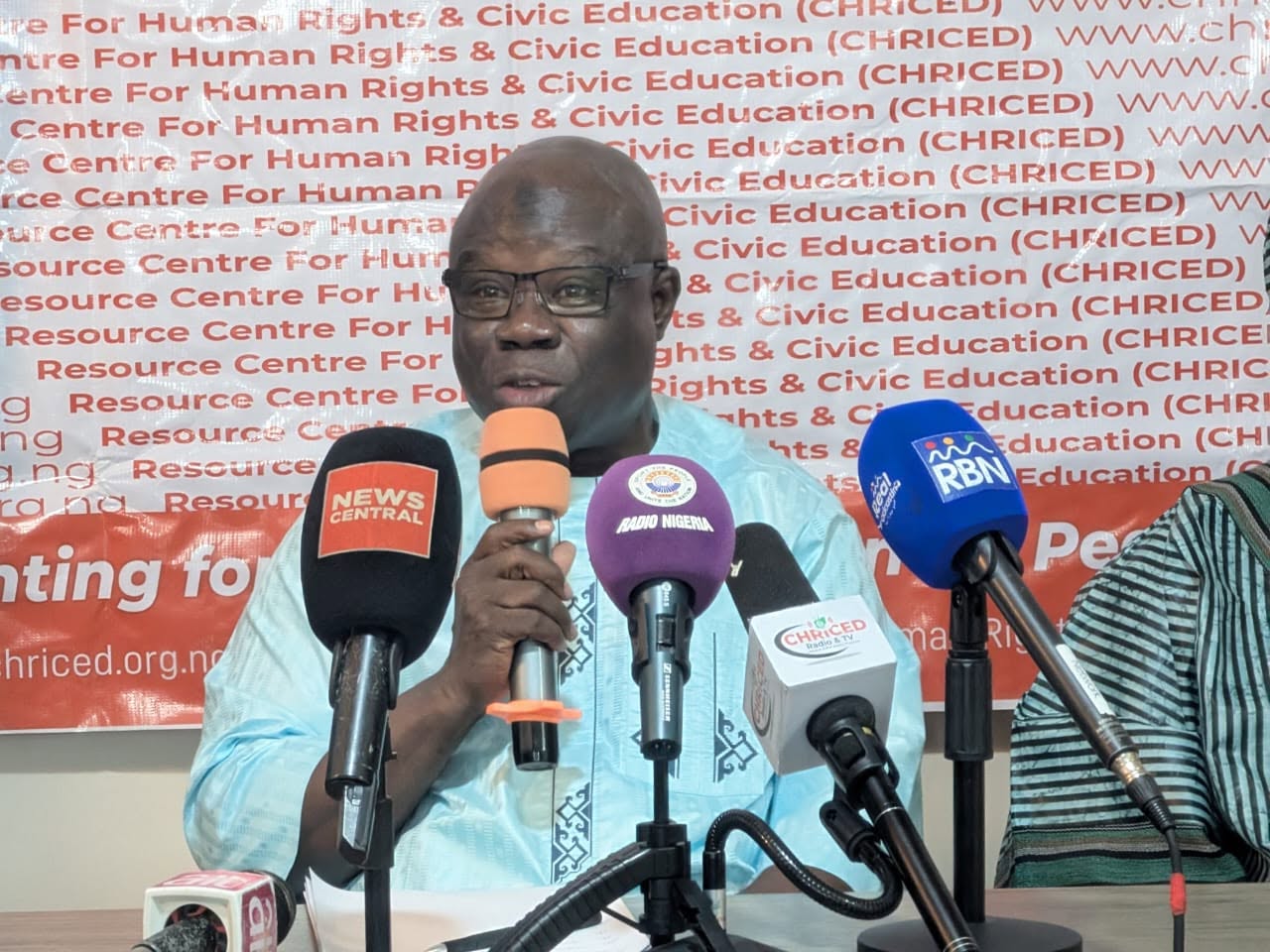

CHRICED QUESTIONS POLITICAL EXPOSURE OF ELECTION OFFICERS
WHAT HAPPENED: On 16 September, CHRICED raised concerns over reports that more than 600 senior academics from public universities in Northern Nigeria attended a political meeting in Kaduna, reportedly convened by Presidential Special Adviser Ibrahim Masari. The organisation wants INEC to establish transparent conflict-of-interest standards for Returning and Collation Officers ahead of 2027.
WHY IT MATTERS: CHRICED says academics retain their right to participate in politics, but recent partisan activity could raise questions about perceived neutrality when individuals later handle sensitive election results.
IMPLICATION: INEC’s criteria for selecting and screening electoral officers could become an important 2027 integrity issue.
PATIENT SAFETY DAY SPOTLIGHTS NIGERIA’S HEALTHCARE GAPS
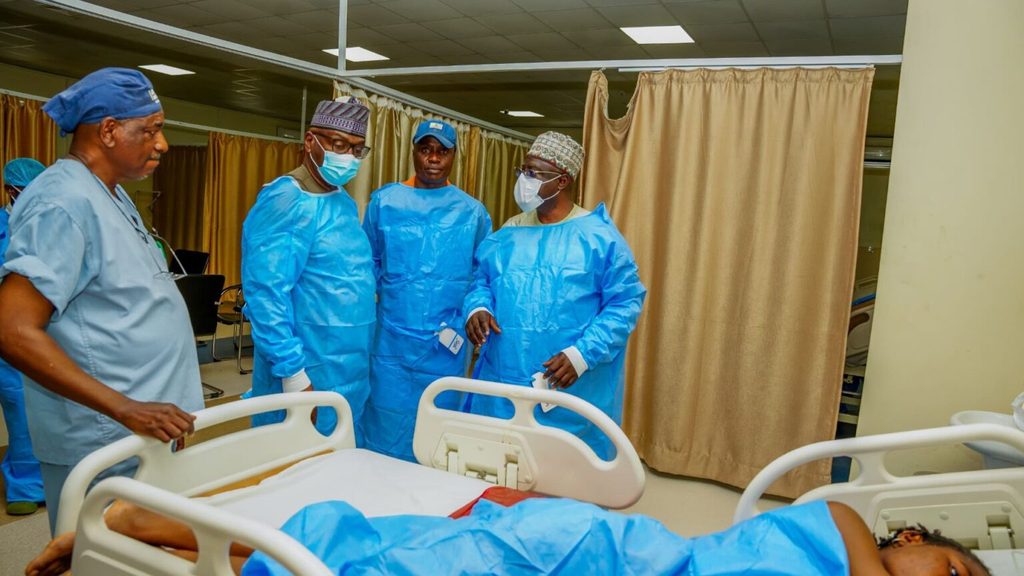
WHAT HAPPENED: World Patient Safety Day is being observed today, 17 September, under the WHO theme “Safe care for noncommunicable diseases.” WHO says one in 10 patients globally experiences harm during healthcare, with about half considered preventable.
WHY IT MATTERS: Nigerian health experts are calling for stronger infrastructure, incident reporting, regulation and quality assurance. Laboratory scientists also highlight the role of accurate diagnostics in clinical decisions.
IMPLICATION: Health programmes need to measure quality and safety—not just the number of people receiving care.
WHO WARNS OF RISING NCD SAFETY RISKS IN AFRICA
WHAT HAPPENED: WHO Africa Regional Director Dr Mohammed Janabi said on 17 September that non-communicable diseases accounted for 37% of deaths in the WHO African Region in 2019, up from 24% in 2000. He called for safer long-term care for people living with diabetes, cancer, heart disease and chronic respiratory conditions.
WHY IT MATTERS: Long-term treatment creates repeated risks from medication errors, missed diagnoses, weak referrals and poor follow-up.
IMPLICATION: Stronger primary healthcare, reliable medicines, referral systems and patient involvement are becoming central to NCD programmes.
SEDC PREPARES FIRST SOUTH-EAST AGRO-MECHANISATION PROJECT
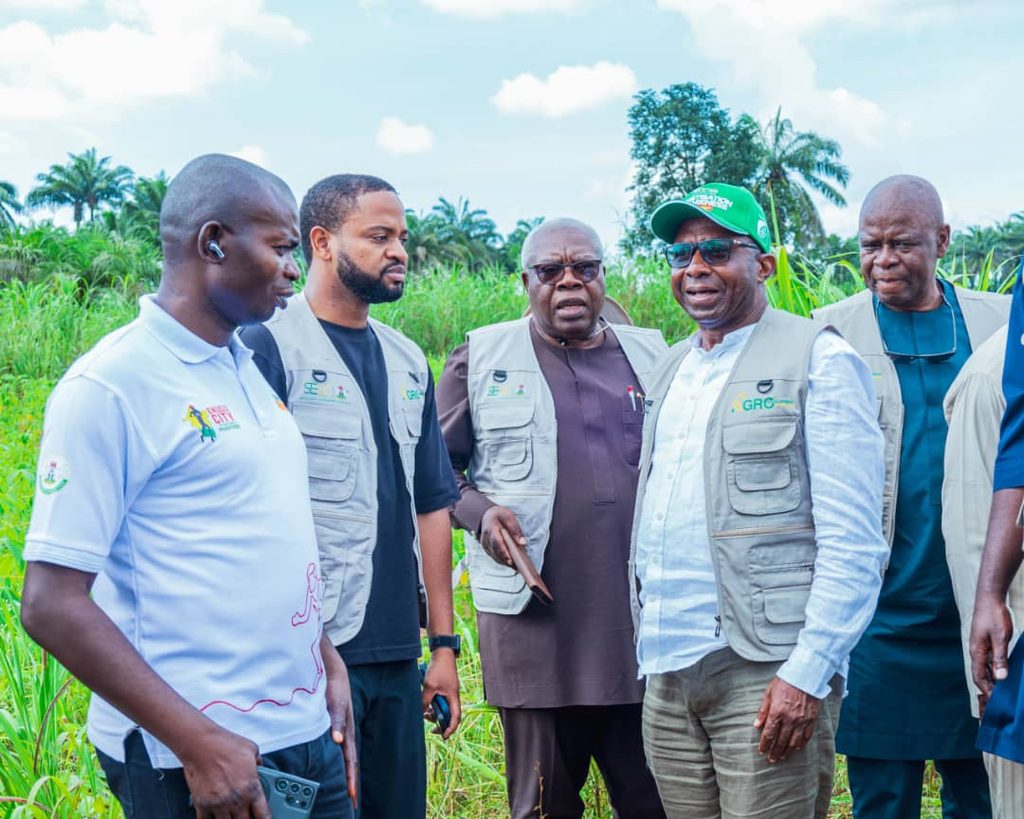
WHAT HAPPENED: On 15 September, SEDC Managing Director Mark Okoye inspected the proposed agro-mechanisation site at Nomeh Unateze, Enugu. The Commission plans projects across 15 senatorial zones and aims to develop up to 50,000 hectares for mechanised farming.
WHY IT MATTERS: The programme is designed to address food insecurity and unemployment while creating agricultural investment and value-chain opportunities.
IMPLICATION: Farmers, agribusinesses and development partners should watch how the pilot projects translate into jobs, production and private investment.
5,000 TREES SHOW EARLY MANGROVE RECOVERY IN RIVERS
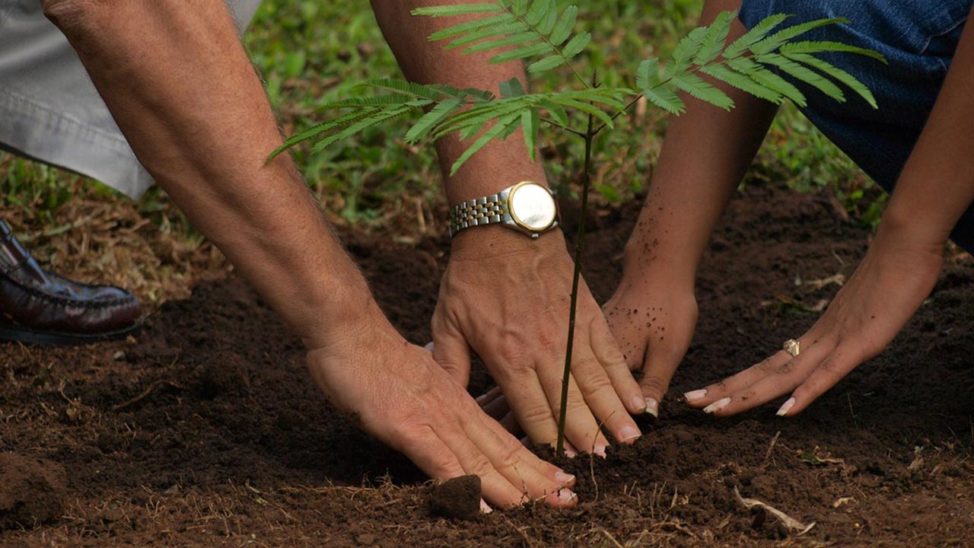
WHAT HAPPENED: Julius Berger Nigeria and the Nigerian Conservation Foundation planted 5,000 indigenous trees in Bodo, Rivers State, and Giri, Abuja. A May 2026 assessment recorded an estimated 95% survival rate one year after planting.
WHY IT MATTERS: In Bodo, the return of periwinkles and fiddler crabs is an early indicator of improving mangrove conditions. The ecosystem also supports livelihoods, erosion control and climate resilience.
IMPLICATION: Restoration projects that demonstrate measurable ecological and livelihood outcomes could attract stronger climate and private-sector financing.
IPCR CALLS FOR GREATER INVESTMENT IN PEACEBUILDING
WHAT HAPPENED: On 16 September in Abuja, IPCR Director-General Dr Joseph Ochogwu called for sustained investment in peacebuilding ahead of the 2027 general elections. IPCR is promoting early warning, community mediation, youth engagement and conflict-sensitive approaches.
WHY IT MATTERS: Conflict can disrupt food production, education, healthcare, investment and development programmes. IPCR is also coordinating the National Conflict Early Warning and Early Response Platform.
IMPLICATION: NGOs and development partners should increasingly build conflict prevention and early-warning mechanisms into programmes.
WATCH CLOSELY
ELECTION INTEGRITY + PEACEBUILDING: As 2027 preparations advance, attention is shifting beyond election-day security toward electoral-officer selection, conflict-of-interest safeguards, misinformation, early warning and public confidence.
HIDDEN OPPORTUNITY
EVIDENCE-BASED DEVELOPMENT STORYTELLING: Projects such as mangrove restoration and agro-mechanisation create opportunities for NGOs, media and communicators to document measurable outcomes—jobs, income, biodiversity recovery and community participation.
OVERLOOKED RISK
IMPLEMENTATION CREDIBILITY: Nigeria is expanding programmes across health, agriculture, peacebuilding and infrastructure. Weak monitoring, quality assurance or public reporting could undermine trust even where funding and policy commitments exist.