
NIGER MOSQUE ABDUCTIONS TEST RURAL
PROTECTION
WHAT HAPPENED
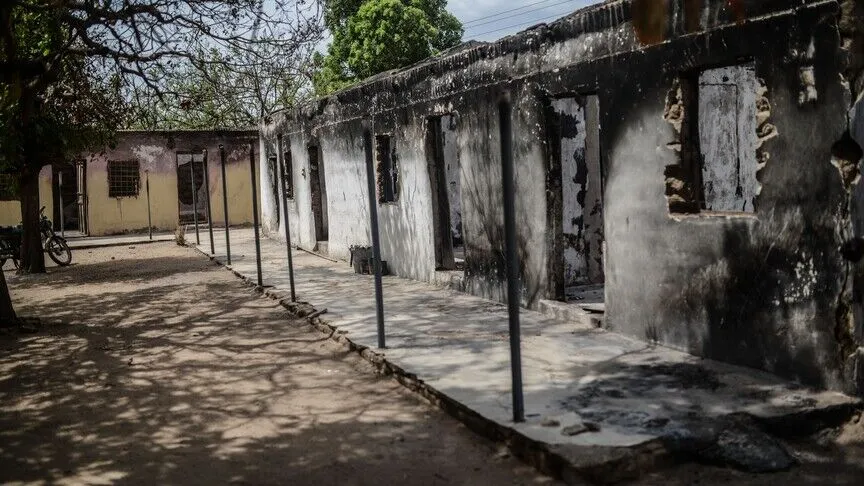
Armed attackers abducted worshippers during Friday prayers on 21 August at Kpenya/Dekara in Borgu LGA, Niger State. State Information Commissioner Obed Nana confirmed a joint security operation was deployed, while Amnesty International called for the victims’ urgent rescue. The exact number abducted remains unverified.
WHY IT MATTERS
The incident highlights the growing protection challenge facing rural communities in northern Nigeria and the difficulty of obtaining reliable humanitarian data during attacks.
IMPLICATION
Strengthen rapid protection, verified victim registration and community early warning systems alongside security operations.
ACTIONAID PUSHES TRAUMA INFORMED REINTEGRATION
WHAT HAPPENED
On 24 August in Abuja, ActionAid Nigeria Deputy Country Director Suwaiba Dankabo called for stronger psychosocial support, trauma informed programming and case management during a five day CSO capacity building programme. Amb. Catherine Udidah of NCFRMI stressed that reintegration must go beyond physical return.
WHY IT MATTERS
Displacement and migration responses increasingly require psychological, social and community recovery, not simply economic assistance.
IMPLICATION
Donors and implementing partners should make psychosocial care and community reintegration core components of recovery programmes.
SOUTH SOUTH INFRASTRUCTURE FACES VANDALISM AND NEGLECT
WHAT HAPPENED
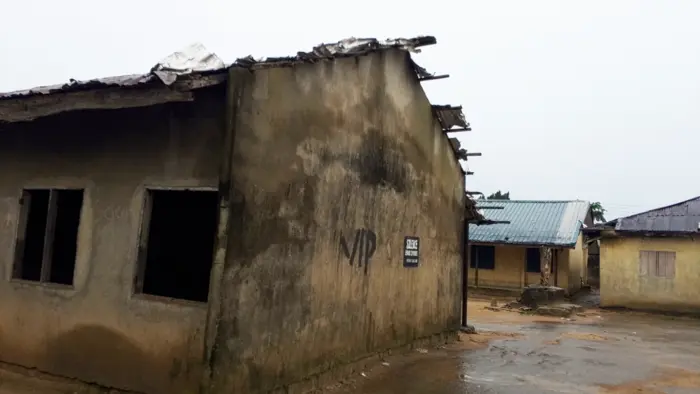
A 25 August investigation documents deteriorating public infrastructure across the South South. In Cross River, the EU funded Akpab Okoyong Small Town Water Scheme, built around 2007 to 2010, has been vandalised and abandoned. Rivers has similarly seen neglected health facilities, while electricity and telecom infrastructure has been repeatedly attacked in Bayelsa and Delta.
WHY IT MATTERS
Development investments are being lost not only through poor construction, but through weak maintenance, insecurity and limited community ownership.
IMPLICATION
Future infrastructure financing should include funded maintenance, community ownership and measurable post project sustainability.
BROADBAND INVESTMENT FACES STATE LEVEL COST BARRIERS
- World Bank Report Signals Nigeria Poverty Stabilisation
- Lagos Chamber 0f Commerce And Industry Seeks Petroleum Price Reduction
- Nigerian NGOs Demand Equal Voice At UN
- Could Cheaper Petrol Finally Bring Food Relief?
- Abiodun Baiyewu’s Journey In Human Rights And Access To Justice
WHAT HAPPENED
Several Nigerian states continue imposing Right of Way charges above the Federal Government’s 145 naira per metre benchmark. Reported charges include 700,000 naira in Ekiti, 350,000 naira in Taraba and 250,000 naira in Cross River, alongside other state level fees.
WHY IT MATTERS
High deployment costs can slow fibre expansion and undermine national digital inclusion ambitions, particularly in underserved communities.
IMPLICATION
Digital development programmes should monitor state level regulatory costs as closely as national connectivity policy.
US AWARDS 125,000 DOLLARS TO PRESERVE LEJJA HERITAGE SITE
WHAT HAPPENED
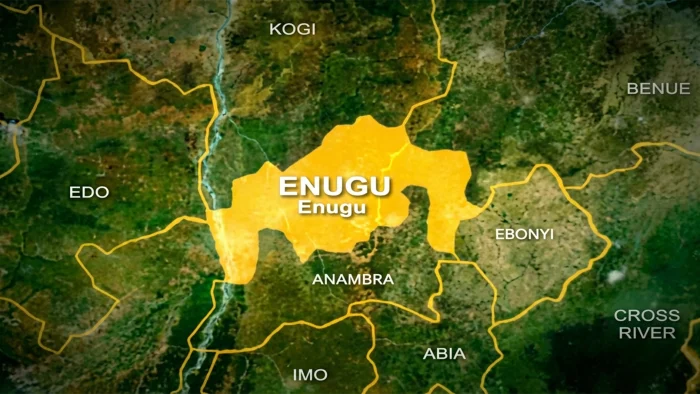
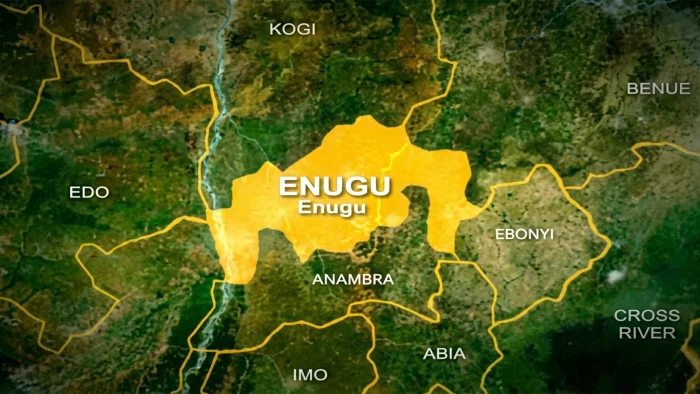
The United States awarded a 125,000 dollar Ambassadors Fund for Cultural Preservation grant to the Centre for Memories for conservation and 3D digital documentation of Enugu’s approximately 4,000 year old Lejja Iron Smelting Site. US Consul General Brandon Hudspeth launched the project on 24 August.
WHY IT MATTERS
The project links archaeological preservation with digital technology, cultural education and potential community economic value.
IMPLICATION
Nigerian heritage organisations can increasingly frame cultural preservation as a development, tourism and digital economy opportunity.
SOKOTO LINKS HUMANITARIAN RELIEF WITH SECURITY RESPONSE
WHAT HAPPENED
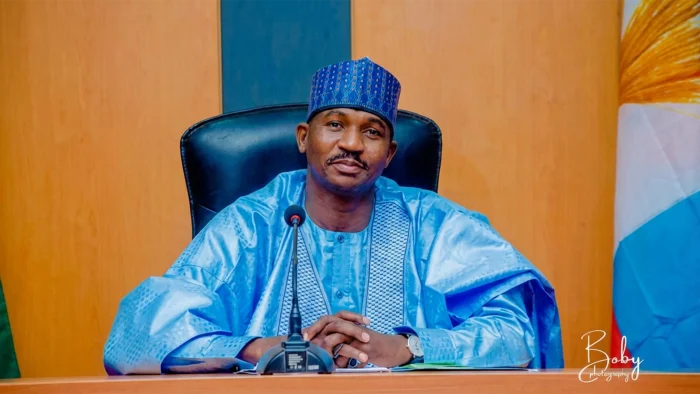
The Sokoto State Government provided over 100 million naira and 408 bags of food to families affected by bandit attacks and a boat disaster in Wurno and Goronyo LGAs. Families of deceased victims received cash and food support, while injured survivors also received assistance. The government says it has provided 62 armoured vehicles to security agencies.
WHY IT MATTERS
States are simultaneously financing emergency relief and security responses as insecurity places increasing pressure on local budgets.
IMPLICATION
Recovery programmes should connect immediate relief with livelihoods, prevention, resilience and community safety.
WATCH CLOSELY
THE MAINTENANCE GAP
Across infrastructure, humanitarian response and public services, Nigeria’s challenge is increasingly shifting from building projects to keeping them functional. Donors and governments that track long term asset performance, not just project completion, will have a major advantage.
HIDDEN OPPORTUNITY
INFRASTRUCTURE WATCH
NGOs, media and researchers can create community led systems that document whether publicly and donor funded schools, clinics, water systems, electricity and digital infrastructure remain functional after delivery.
OVERLOOKED RISK
TRUST EROSION
Repeatedly abandoned or vandalised projects can make communities less willing to trust government and development partners. Sustainability, maintenance and community ownership should therefore become measurable programme outcomes, not afterthoughts.
Compiled by Nathan Yohannna
For more inquiries:
Website: www.akweyatv.com
Email: info@akweyatv.com
Phone number: +234 904 480 0200
YouTube: @akweyatv
Facebook: @akweyatvglobal
Instagram: @akweyatv
TikTok: @akweyatv