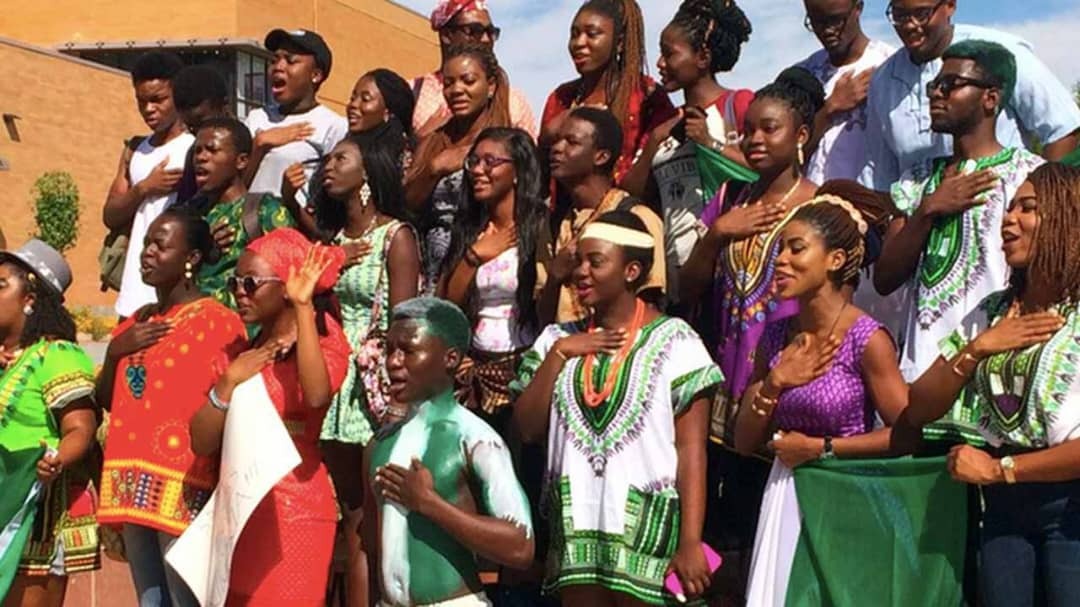

Nigeria’s national anthem has changed over the years, with each version reflecting a different period in the country’s history.
As Nigeria marks 66 years of independence, the story of its anthem offers a glimpse into how the nation’s identity and sense of unity have evolved.
- Nigeria’s National Anthem: A Journey Through 66 Years
- Tinubu: Nigeria Is Moving Beyond Economic Hardship As Prosperity Beckons
- Behind the Scenes with Wonderman
- General Elvee Brings Gospel Reggae Vibes to Kristofarian Jam Session
- Rapture Man Celebrates Jesus Through Gospel Reggae
The Anthem At Independence
When Nigeria gained independence from Britain on October 1, 1960, “Nigeria, We Hail Thee” became the country’s first national anthem.
The lyrics were written by Lillian Jean Williams, while the music was composed by Frances Berda. Its words centred on national unity, peace, service and hope for the young nation.
For 18 years, Nigerians sang the anthem at schools, government events and other national occasions.
But in 1978, the anthem was replaced with “Arise, O Compatriots.”
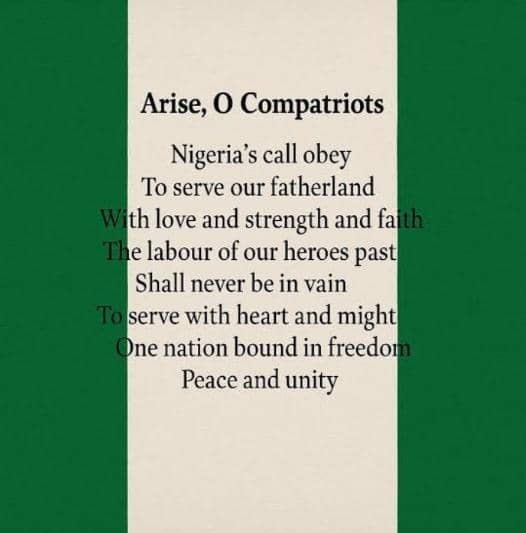
The new anthem went on to become part of everyday Nigerian life, familiar to generations who grew up singing it at school assemblies, official ceremonies and national celebrations.
A Return After 46 Years
After 46 years, Nigeria’s first national anthem returned.
In 2024, the National Assembly passed legislation to restore “Nigeria, We Hail Thee” as the country’s national anthem. President Bola Ahmed Tinubu subsequently signed the National Anthem Bill 2024 into law.
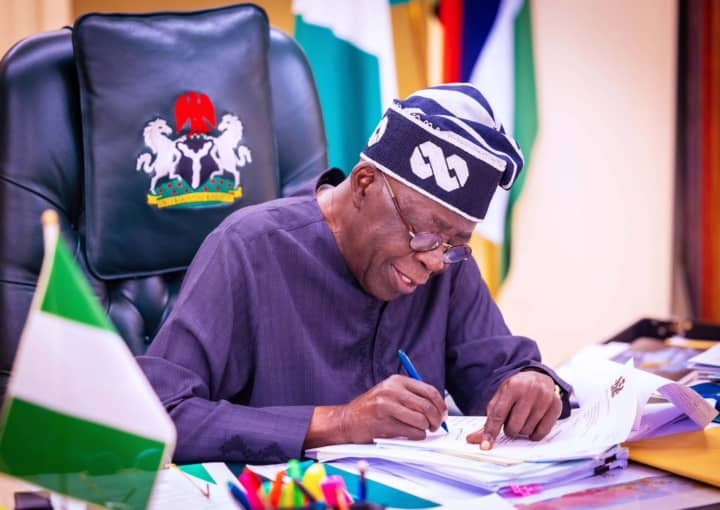
The decision brought back the anthem first heard by Nigerians at independence.
At the ceremony marking its return, President Tinubu described the restored anthem as a reflection of Nigeria’s diversity and shared identity.
“This is our diversity, representing all people and how we pledge together to be brothers and sisters,” he said.
The return of “Nigeria, We Hail Thee” has therefore added another chapter to the history of Nigeria’s national symbols.
Today, the anthem is once again heard at official ceremonies and national events, connecting present-day Nigeria with the country that emerged as an independent nation in 1960.
For many Nigerians, its return is also a reminder that national symbols can outlive the periods in which they were introduced, carrying memories of different generations and different moments in the country’s journey.