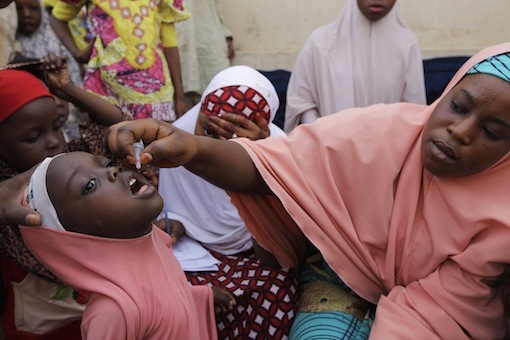

Traditional rulers, religious leaders and women leaders in Koya community, Gwarzo Local Government Area of Kano State, are helping health workers encourage more families to accept routine childhood vaccination.
According to Gavi, the Vaccine Alliance, the leaders are using their relationships with residents to address concerns about vaccination and encourage parents to take their children for immunisation.
The community-led approach is particularly important in rural areas, where access to health services can be affected by distance, limited information and concerns about vaccines.
- Community Leaders Help Drive Vaccine Uptake In Kano
- CISLAC Calls For Citizen Focused Approach To Security And Governance
- SEKI-Plomacy Targets 900 Cultural Festivals Across Niger Delta
- CSOs Demand Transparency Over JBS $2.5bn Livestock Investment
- Student Group Announces New Send-Forth Date, Sets October 10 for Elections
Helping Families Understand Vaccination
Gavi said ensuring a reliable supply of vaccines is important, but getting vaccines to children also depends on families being willing and able to use available services.
In Koya, village chiefs, imams and women leaders are engaging directly with families who may be hesitant about vaccination.
The leaders help explain the importance of routine immunisation and encourage parents to make sure their children receive the vaccines provided through health services.
They also work alongside health workers to reach households, helping to connect vaccination teams with families within the community.
Trusted Voices Help Build Confidence
For families who have questions or concerns about vaccines, messages from people they already know and trust can help create an opportunity for discussion.
Gavi said the involvement of respected community figures is helping health workers engage families and strengthen confidence in routine immunisation.
Traditional and religious leaders can also use existing community structures to spread health information, while women leaders can reach mothers and caregivers who play an important role in decisions about children’s healthcare.
Reaching Children In Underserved Communities
Gavi said the experience in Koya highlights the importance of combining vaccine availability with sustained community engagement.
The alliance noted that improving immunisation coverage requires health workers to work closely with communities, particularly in areas where some families may face challenges accessing healthcare or have concerns about vaccination.
It said trusted local leadership can help bridge the gap between health services and families by creating stronger links between communities and health workers.
The approach also places communities at the centre of efforts to improve childhood immunisation, rather than relying only on health facilities to reach parents.
Keeping Children Protected
Routine immunisation remains an important part of protecting children from vaccine-preventable diseases. For communities such as Koya, ensuring that parents understand the benefits of vaccination and know where to access services can support efforts to reach more children.
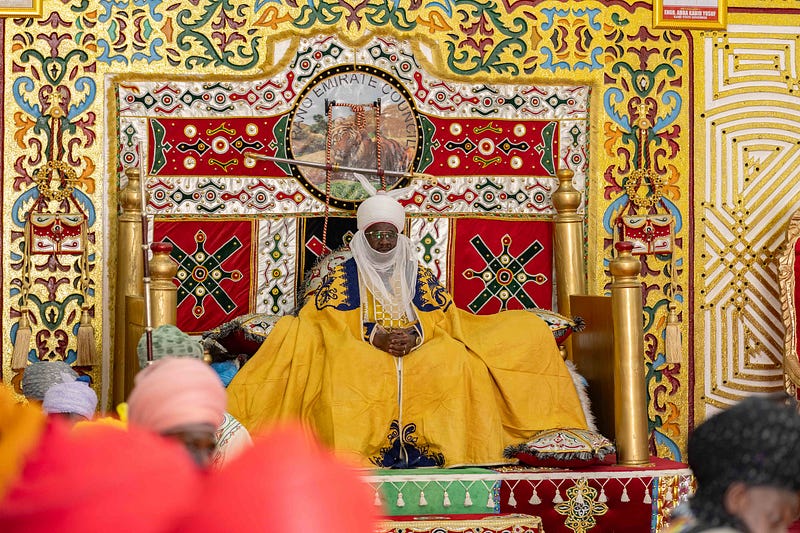
Gavi said the experience demonstrates that community participation is an important part of improving immunisation uptake.
The alliance added that continued engagement with traditional institutions, religious leaders, women leaders, health workers and families can help strengthen public confidence and expand access to life-saving vaccines among children in rural communities.