

A climate change expert, Dr Deborah Ishaku, has warned that anticipated El Niño conditions towards the end of 2026 and early 2027 could worsen heat stress, drought and food insecurity in Gombe State and other parts of Nigeria. Ishaku, a lecturer at Gombe State Polytechnic, Bajoga, gave the warning in an advisory reported by Arewa PUNCH, urging farmers, residents and authorities to prepare for possible disruptions to rainfall, water supply and agricultural production.
The warning comes as the World Meteorological Organisation (WMO) projected in September 2026 that El Niño could strengthen into a very strong event and persist into early 2027. The Nigerian Meteorological Agency (NiMet) has also warned of possible changes in rainfall patterns, including the length and end of the rainy season.
El Niño and Nigeria’s Weather
El Niño is a natural climate phenomenon caused by unusually warm sea surface temperatures in the central and eastern tropical Pacific Ocean. It influences weather patterns worldwide and can contribute to higher temperatures and changes in rainfall.
- FCTA Empowers Women to Rebuild Their Lives
- Expert Warns of El Niño Risks to Gombe Farmers
- Nigeria Builds Global Alliance to Fight Child Malnutrition
- NEMA Advises Nigerians On Safety Measures Against El Niño Risks
- House Of Representatives Considers Bill To Limit Advance Rent In Abuja
According to the WMO, the phenomenon typically occurs every two to seven years and lasts between nine and 12 months. However, its effects vary across regions and do not automatically mean drought will occur everywhere.
Farmers Face Possible Crop Losses
Ishaku warned that delayed rainfall and prolonged dry spells could disrupt planting schedules and reduce crop yields, particularly in communities that depend on rain-fed agriculture.
She identified sorghum, millet, maize and groundnuts as crops that could face increased risks from irregular rainfall and rising temperatures.
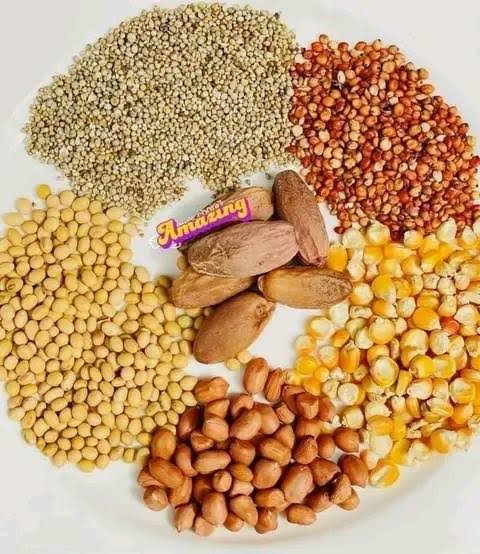
“Farmers need to prepare for the possibility of delayed rainfall and prolonged dry spells. These conditions can affect germination, crop development and yields, especially where farming depends entirely on rainfall,” she said.
She advised farmers to consult NiMet’s forecasts before planting, use drought-tolerant varieties such as SOSAT millet and ICSV 400 sorghum, adopt water-harvesting techniques and store harvested grains early.
Heat Could Threaten Public Health
The expert warned that high temperatures and dusty Harmattan conditions could increase dehydration, heat exhaustion and heatstroke, particularly among children, older people and outdoor workers.
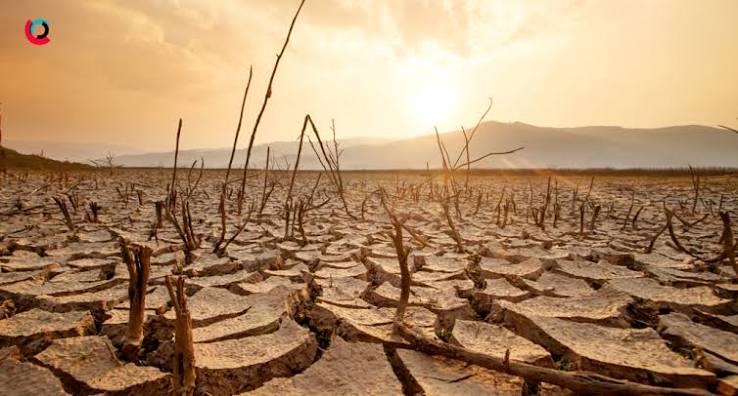
Separately, the Climate Impact Lab projected in October 2026 that Nigeria could record an additional 31,400 heat-related deaths between September 2026 and February 2027 compared with an average year. The figure is a model-based estimate, not a confirmed death toll.
Ishaku urged residents to drink sufficient water, wear lightweight clothing, maintain proper ventilation and avoid unnecessary exposure to direct sunlight between noon and 4pm.
She also advised households to store water and plant trees to provide shade.
Water and Electricity Concerns
Prolonged rainfall deficits could reduce water levels in dams and groundwater supplies, affecting households, irrigation and potentially hydropower generation. However, these are potential risks and do not confirm nationwide water shortages or electricity disruptions.
Ishaku called on community leaders and authorities to manage available water resources carefully. She also urged schools to schedule outdoor activities during cooler hours and health facilities to prepare for heat-related illnesses and dehydration.
Farmers and residents were encouraged to follow NiMet’s updated forecasts as preparations continue for the possible effects of El Niño.
For more news, stories, information and development: https://www.akweyatv.com/