
For many young Nigerians, October 1 is simply a public holiday, a day to sleep in, travel, spend time with family, attend events or enjoy a break from the usual routine.
- How Nigeria’s Borders And Identity Took Shape
- October 1, 1960; A Historic Day for Nigeria
- The British Monarch Was Still Nigeria’s Head Of State
- Tafawa Balewa Delivered The Historic Independence Speech
- A Young Nigerian Designed The National Flag
- Nigeria Had A Different National Anthem At Independence
- Nigeria Had Only Three Regions At Independence
- Nigeria Was Much Smaller In 1960
- Nigeria’s Cultural Diversity Has Always Been Part Of Its Story
- The Growing Impact Of Technology On Everyday Life
- A Celebration With A Story
But behind the holiday is a story that began more than six decades ago.
On October 1, 1960, Nigeria became an independent nation after years of British colonial rule. The occasion marked a major turning point in the country’s history and opened a new chapter of self government.
As Nigeria prepares to celebrate its 66th Independence Anniversary in 2026, here are 10 interesting facts that may give young Nigerians a fresh perspective on the history behind the celebration.
- NARD Gives Federal Government Two Weeks To Address Doctors’ Demands
- Group Urges Urgent Action on Nigeria’s Security Policy
- Kubwa Gas Plant Fire Police Trace Blaze to Driver’s Crash
- Fun Facts Young Nigerians Should Know About Nigeria’s Independence
- GOCOP Conference Opens Wider 2027 Election Conversation
How Nigeria’s Borders And Identity Took Shape
Nigeria’s journey to independence was shaped by several political and constitutional changes during the colonial period.
The territory that eventually became modern Nigeria was brought under British control through a gradual process before the colony and protectorate of Nigeria was formally established.
By the time independence came in 1960, different communities and territories had been brought together under one political system.
The Nigeria of 1960 therefore looked very different politically and geographically from the 36-state federation and Federal Capital Territory Nigerians know today.
October 1, 1960; A Historic Day for Nigeria
October 1, 1960 was not an ordinary day.
Independence celebrations were held across the country, with ceremonies, speeches, music and public gatherings marking the end of colonial rule.
In Lagos, the centre of the celebrations, the British Union Jack was lowered and the Nigerian flag was raised.
For Nigerians who witnessed the occasion, it represented the arrival of self-government after years of colonial administration.
Today, Independence Day celebrations may look different, but October 1 remains one of the country’s most important national dates.
The British Monarch Was Still Nigeria’s Head Of State
Here’s one many young Nigerians may find surprising.
Nigeria became independent in 1960 but remained a constitutional monarchy within the Commonwealth.
Queen Elizabeth II was Nigeria’s head of state, represented in the country by a Governor-General.
Nigeria became a republic in 1963, ending the constitutional link to the British monarchy. Dr Nnamdi Azikiwe then became the country’s first President.
So, yes Nigeria was independent before it became a republic.
Tafawa Balewa Delivered The Historic Independence Speech
Sir Abubakar Tafawa Balewa became Nigeria’s first Prime Minister and played a central role in the country’s transition to independence.
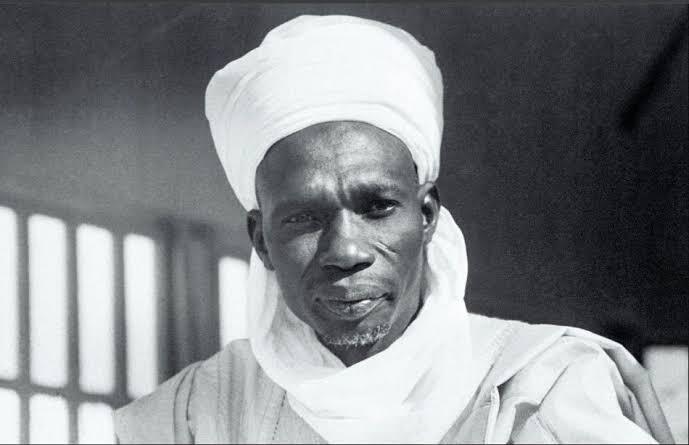
On October 1, 1960, he delivered Nigeria’s historic Independence Day address.
His speech reflected the significance of the moment and the responsibilities that came with self-government.
Sir Abubakar Tafawa Balewa’s role has remained an important part of Nigeria’s political history and the story of the country’s first years as an independent nation.
A Young Nigerian Designed The National Flag
The green-white-green flag Nigerians proudly display today was designed by Michael Taiwo Akinkunmi.
Michael Taiwo Akinkunmi was a young Nigerian student in the United Kingdom when he entered a national competition to design Nigeria’s flag.
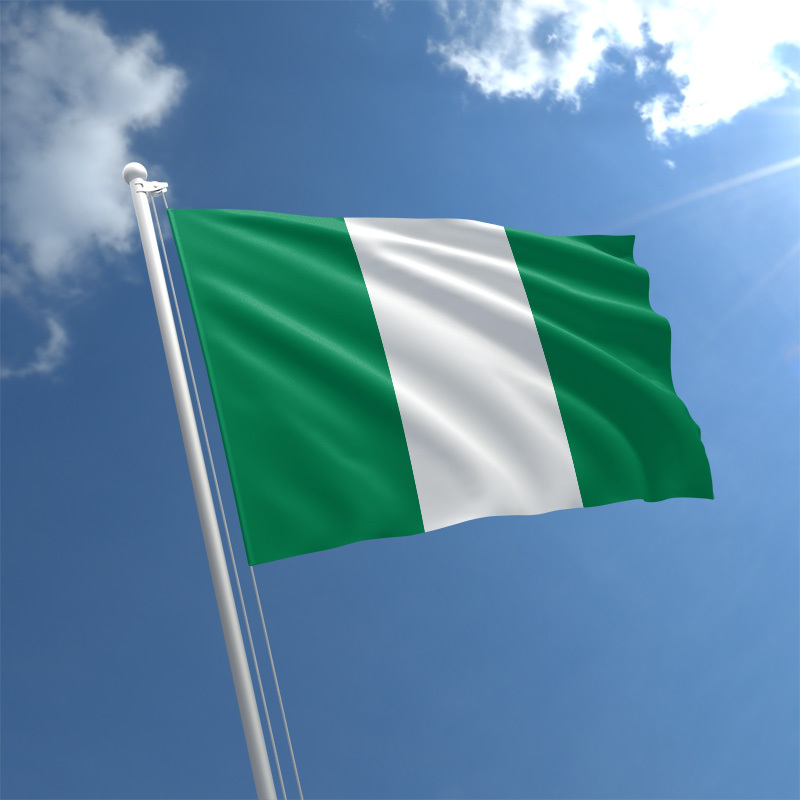
His original design contained a red sun in the centre, but the final design was modified to the green-white-green flag Nigerians recognise today.
The green is associated with Nigeria’s agricultural wealth and natural resources, while the white represents peace and unity.
More than six decades later, the flag remains one of the country’s strongest symbols of national identity.
Nigeria Had A Different National Anthem At Independence
Nigeria’s national anthem has changed over the years.
At independence in 1960, the country adopted “Nigeria, We Hail Thee” as its national anthem.
The anthem was later replaced in 1978 by “Arise, O Compatriots.”
In 2024, Nigeria returned to “Nigeria, We Hail Thee” as its national anthem.
This means that the anthem used at Nigeria’s independence is once again part of official national ceremonies.
Nigeria Had Only Three Regions At Independence
Forget the 36 states you learnt in school for a moment.
Nigeria became independent with a federal structure consisting of three major regions: the Northern Region, Western Region and Eastern Region.
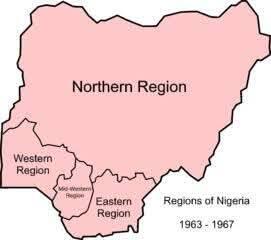
These regions had significant responsibilities and played major roles in the country’s political and economic life.
The structure changed over time as new regions and states were created.
Today, Nigeria has 36 states and the Federal Capital Territory, Abuja a significant difference from the country inherited at independence.
Nigeria Was Much Smaller In 1960
Nigeria’s population at independence was far smaller than it is today.
The country has experienced enormous population growth over the decades, alongside rapid urbanisation and the expansion of major cities.
Lagos, Abuja, Port Harcourt, Kano, Ibadan and other cities have grown significantly, while technology has transformed how Nigerians work, communicate and conduct business.
For young Nigerians born in the digital age, it can be difficult to imagine a Nigeria without smartphones, social media or instant internet communication.
Nigeria’s Cultural Diversity Has Always Been Part Of Its Story
Nigeria’s diversity did not begin with modern social media or today’s cultural trends.
The country has long been home to hundreds of ethnic groups, languages, traditions and cultural practices.
From traditional festivals and indigenous languages to food, music, clothing and storytelling, Nigeria’s different communities have contributed to the country’s national identity.
That diversity has also produced some of Nigeria’s most recognisable cultural exports, including Afrobeats, Nollywood and Nigerian fashion.
Independence therefore did not erase Nigeria’s differences. Instead, it marked the beginning of a continuing effort to build a shared national identity from those many cultures.
The Growing Impact Of Technology On Everyday Life
A young Nigerian today can communicate instantly with someone thousands of kilometres away, run a business from a smartphone, learn online, create content for a global audience or work with people in other countries.
Yet some things remain familiar: Nigerian music, food, family ties, entrepreneurship, cultural celebrations and the determination of people to build better lives.
As Nigeria turns 66, Independence Day offers young Nigerians an opportunity to look back at where the country started and appreciate just how much has happened since that historic day in 1960.
A Celebration With A Story
October 1 may be a holiday, but it is also a piece of Nigeria’s history.
Behind the flags, celebrations and public holidays are stories of political change, cultural diversity, young people who contributed to the country’s development and generations that experienced Nigeria in very different ways.
For today’s young Nigerians, knowing these stories can make the annual Independence Day celebration more than just another day off.
It becomes a chance to understand the country, appreciate its journey and see how their generation fits into the next chapter of Nigeria’s story.